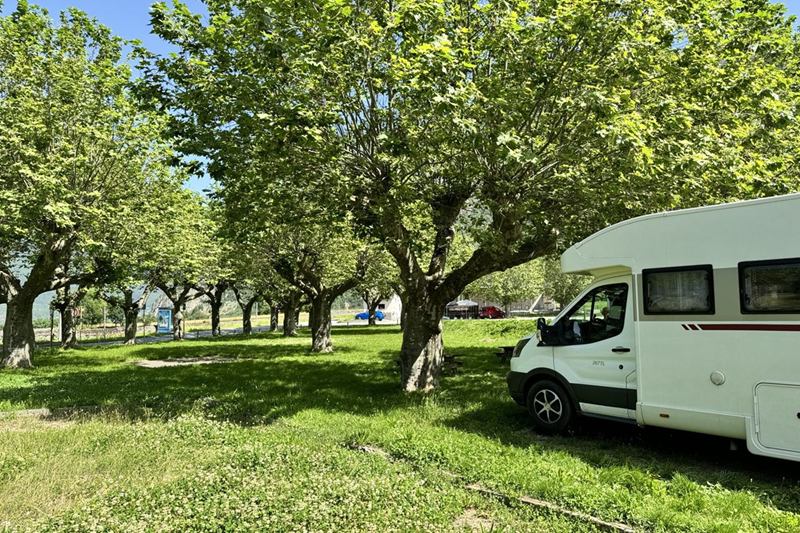
The picnic by the river was a success, and the cooler came home late in the evening with meltwater, barbecue leftovers and a spilt yoghurt. The next morning it stays in the garage – and the next time you open it, it smells sour. To clean a cool box you need nothing more than warm water, washing-up liquid, bicarbonate of soda and a little patience while it dries.
From May, the box is back in regular use: barbecues in the garden, afternoons at the lake or weekends at the campsite. The steps below apply to hard cool boxes, soft cool bags and electric models alike – with the necessary differences.
Why cool boxes smell and go mouldy
In a cool box, moisture, food residue and warmth meet as soon as the ice has melted. Drips from meat packaging, dairy products or fruit collect in the corners, in the groove of the seal and in the drain. If the box is then put away with the lid shut, the moisture cannot escape. Bacteria and mould multiply, and the smells get into the plastic and insulation.
Then there is hygiene: the Federal Food Safety and Veterinary Office (FSVO) points out that germs spread via hands, chopping boards, utensils and cloths, and surfaces should be cleaned with hot water and soap after each step. A cool box that has held raw meat deserves the same care as a chopping board.
| Type of cooler | What to watch |
|---|---|
| Hard cool box (plastic) | Clean corners, lid seal and drain plug |
| Soft cool bag | Clean seams and lining gently, dry well, follow the care label |
| Electric cool box | Unplug first, keep ventilation grille and electronics dry |
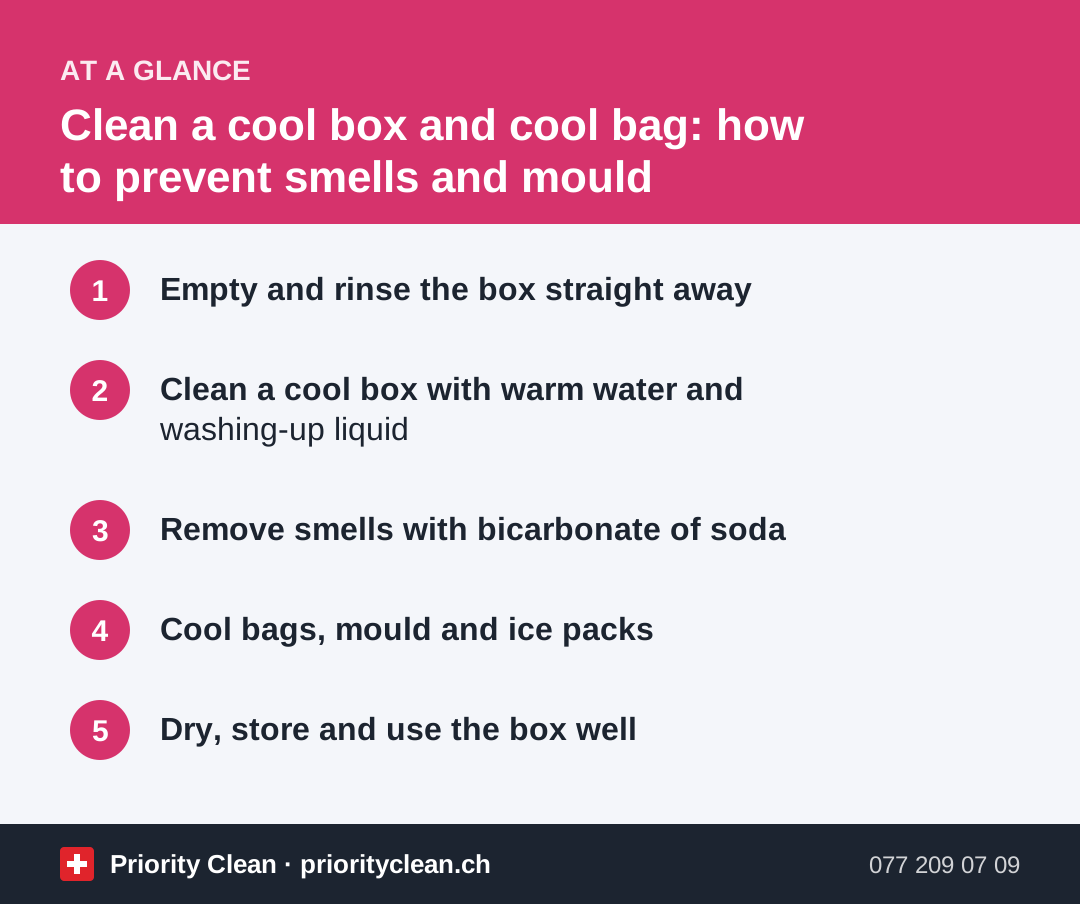
1. Empty and rinse the box straight away
The most important step happens the same evening, not a week later. Take out all the food, throw away opened packs and leftovers, and let the meltwater out through the drain or over the sink. Raw meat that has been unchilled for a long time is best not eaten.
Then rinse the box with warm water so that crumbs and drips come off before they dry on.
2. Clean a cool box with warm water and washing-up liquid
For the actual cleaning, all you need is warm water, a few drops of washing-up liquid and a soft sponge or microfibre cloth.
- Wash the walls, the base and the inside of the lid; brush out corners with a soft brush.
- Unscrew the drain plug, clean it and run a bottle brush through the opening.
- Wipe along the lid seal with a cloth and clean the groove with a cotton bud.
- Rinse with clean water and wipe the handles and catches on the outside.
Avoid cream cleaners, steel wool and harsh products: scratches in the plastic become new dirt traps. The seal needs the same care as the one on your fridge at home – SwissEnergy recommends keeping door seals clean so that they close tightly. A clean, supple seal keeps the cold inside.
3. Remove smells with bicarbonate of soda
If a sour or fishy smell remains after washing, bicarbonate of soda helps:
- Bicarbonate solution: dissolve a few tablespoons of bicarbonate of soda in warm water, wipe out the box and leave it to work for a while. Then rinse with clean water.
- Bicarbonate overnight: put a small open bowl of dry bicarbonate in the dry box and close the lid. It absorbs odours.
- Vinegar water: a splash of household vinegar in water helps with mild smells. Don't mix it with any other cleaner, and rinse well afterwards.
More uses in our guide Cleaning with bicarbonate of soda.
4. Cool bags, mould and ice packs
Cool bag: soft cool bags usually have a wipe-clean lining. Wipe it with soapy water, pay attention to seams and zip, and dry the bag inside out or wide open. The care label tells you whether the lining is removable and washable.
Mould: small spots on smooth plastic can be wiped off with soapy water or vinegar water. Wear gloves and air the room well. If the mould has got into the seams, the foam or under the lining of a cool bag, it often can't be removed completely. It is then more hygienic to replace the bag.
Ice packs: wash them with washing-up liquid, dry them and store them in a clean bag in the freezer. Don't use damaged or leaking ice packs any more.
5. Dry, store and use the box well
Let the cool box dry completely with the lid open, ideally overnight. Then store it with the lid slightly open – a folded tea towel between lid and box is enough to let the remaining moisture escape. Store cool bags open, not squashed.
For your next outing a little planning helps: pre-chill the box and its contents, place ice packs at the top and bottom and keep the cooler in the shade. The Federal Office of Public Health advises keeping windows closed and shaded during the day in hot weather. The same principle applies to your cool box: lid shut, find the shade and never leave it in a hot car.
The most common mistakes
- Leaving the box until the next outing: leftovers and meltwater become a source of smells within days.
- Storing it with the lid shut tight: the moisture is trapped, and mould follows.
- Harsh or abrasive cleaners: they scratch the plastic and can leave smells behind.
- Rinsing an electric cool box under the tap: water in the electronics and ventilation can damage the appliance.
- Unwrapped raw meat next to the drinks: drips spread germs onto bottles and cans.
Drinking bottles and flasks from the outing need care too – see How to clean a water bottle. And if the fridge at home smells, read our guide How to clean a fridge.
Frequently asked questions
What is the best way to clean a cool box?
With warm water, a little washing-up liquid and a soft sponge. For smells, a bicarbonate of soda solution or a bowl of dry bicarbonate left overnight does the job. Abrasive or harsh cleaners aren't needed and scratch the plastic.
How do I get the smell out of a cool box?
Wash it thoroughly, then wipe it out with a bicarbonate solution or leave dry bicarbonate in the closed box overnight. Afterwards let it dry open in the fresh air. If the foam or lining of a cool bag still smells, the odour is often in the material itself.
Can an electric cool box be cleaned with water?
Only the inside, with a damp cloth, after unplugging it. The ventilation grille, cable and control panel must stay dry. Follow the manufacturer's instructions.
How should I store a cool box over the winter?
Clean and completely dry, with the lid slightly open, in a dry place such as the attic or a cellar storage room. Put a tea towel between lid and box so that air can circulate.
Thanks for your feedback! Feel free to share the guide.
Thanks! What was missing? Drop us a line – we will improve the guide. WhatsApp