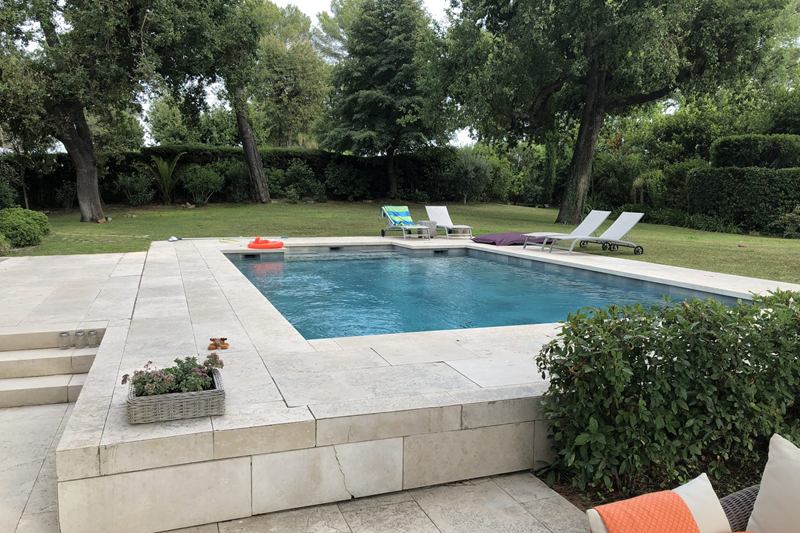
As soon as summer arrives, the paddling pool is blown up in the garden or the above-ground pool is filled. After a few hot days, leaves and insects float on the surface, the floor turns slippery and the water goes cloudy. Good pool cleaning does not need expensive equipment – just a few simple routines done regularly.
These five rules show how to keep paddling pools and garden pools clean, why standing water attracts mosquitoes and how to make chemicals and water safe for children.
Why pool water turns cloudy so quickly
Every swimmer brings sun cream, sweat, hair and skin flakes into the water. From outside come leaves, pollen, grass and insects. In warm, standing water, algae and bacteria multiply quickly: the water turns greenish or milky and the floor and walls feel slimy.
Standing water also attracts mosquitoes. The Swiss Federal Office for the Environment (FOEN) recommends that from May to September you cover all containers that can hold water, or empty and clean them at least once a week – paddling pools included. That way invasive species such as the Asian tiger mosquito find nowhere to breed.
| Pool type | Water treatment | Care in brief |
|---|---|---|
| Small paddling pool | None | Empty after every use, let it dry |
| Above-ground pool with filter pump | Filter, care products | Skim daily, vacuum weekly |
| In-ground pool | Filtration system, dosing | Ongoing care, have the system serviced |
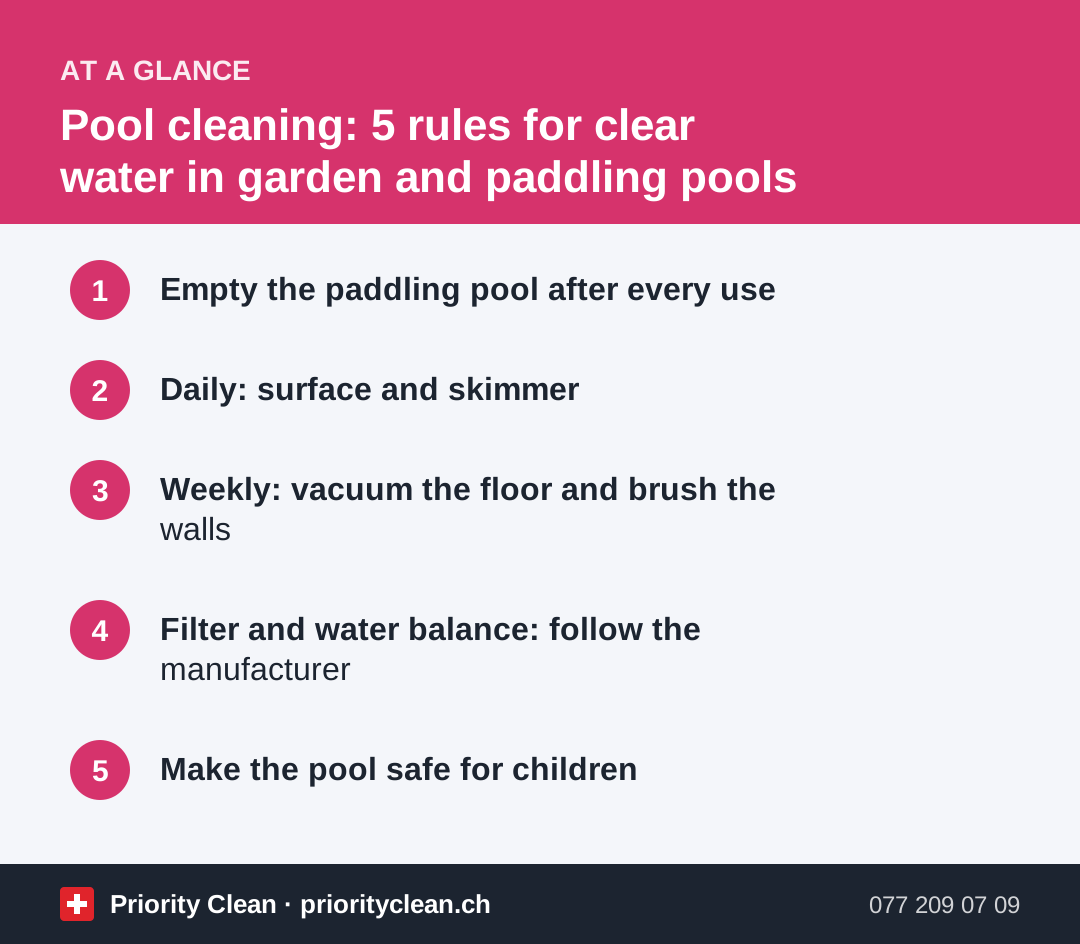
1. Empty the paddling pool after every use
Small paddling pools have no filter, and the water gets dirty straight away. The Swiss Council for Accident Prevention (BFU) advises that you always empty small paddling pools after use. It is also the best hygiene: fresh water the next day is cleaner than any product added to yesterday's.
Here is how:
- Drain or tip out the water – untreated water is ideal for watering the lawn and flower beds.
- Wipe the floor and sides with a soft sponge or brush and clean water.
- If there is a slimy film, use a little mild washing-up liquid and rinse thoroughly.
- Turn the pool over or prop it up at an angle so it dries before you refill or store it.
To keep other containers in the garden free of mosquitoes, see our guide cleaning a rain barrel. More on the tiger mosquito in the guide tiger mosquito: avoid breeding sites.
2. Daily: surface and skimmer
For larger pools with a filter pump, skimming every day is the most important part of pool cleaning. Leaves, flowers and insects removed quickly do not sink and decompose in the water.
- Skimmer net: skim the surface once a day, and straight after a thunderstorm.
- Skimmer basket: empty it as soon as leaves build up – a full basket slows circulation.
- Pump pre-filter: check it regularly and rinse it as described in the manual.
- Cover: cover the pool whenever nobody is swimming. It keeps leaves, insects and dirt out.
3. Weekly: vacuum the floor and brush the walls
Whatever sinks to the bottom is removed with a pool vacuum. Depending on the size of the pool, a simple manual vacuum connected to the filter pump is enough; for larger pools there are robotic cleaners. Work slowly in lanes so you do not stir up the dirt.
Then brush the walls and steps with a soft pool brush. A greasy ring of sun cream and dirt forms especially along the waterline. Remove it with a soft sponge and a cleaner suitable for your pool's material. Household cleaners, scouring powders and hard brushes do not belong in a pool: they foam, upset the water balance or scratch liners and plastic.
4. Filter and water balance: follow the manufacturer
How long the pump should run each day, when to backwash a sand filter or change a filter cartridge depends on the model. Follow the operating instructions and, for permanent systems, the installer's guidance.
Test the water regularly with test strips or a meter. The right pH level and disinfectant level, and how much to dose, are stated on the care products and in your pool's manual. Never add products by guesswork or "double, just to be safe" – always follow the manufacturer's instructions.
5. Make the pool safe for children
A clean pool is only a good pool if it is safe. The BFU points out that a child can drown in a few centimetres of water in under 20 seconds. A fence or a cover offers the most effective protection. For mobile plastic pools, the BFU recommends removing the ladder and covering or emptying the water when nobody is swimming. In-ground pools need a sturdy cover.
Young children need your full attention near water: stay within arm's reach, even when they wear armbands, and put your phone away. So plan your pool cleaning for times when the children are not playing in the garden or a second adult is watching them.
Sun loungers and garden furniture around the pool need care too – see our guide cleaning garden furniture.
Common pool cleaning mistakes
- Leaving paddling pool water for days: it gets dirty and mosquitoes find a breeding site.
- Dosing by feel: too much irritates skin and eyes, too little lets algae grow – always test and dose as instructed.
- Mixing or decanting products: this can trigger dangerous reactions and lead to mix-ups.
- Household cleaners in the pool: they foam and throw the water balance off.
- Pool left open and unsupervised: ladder out, cover on – even for just a few minutes.
Frequently asked questions
How often should I change the water in a paddling pool?
Empty small paddling pools without a filter after every use, as the BFU recommends. It is more hygienic and prevents children reaching the water unsupervised or mosquitoes breeding in it. Untreated water can be used for watering the garden.
Why is my pool water cloudy or green?
Usually it is a combination of dirt, heat and too little circulation or care. Skim off leaves, clean the skimmer and filter, vacuum the floor and test the water. Correct the values according to the instructions of your care product's manufacturer.
Can I use household cleaner for pool cleaning?
Better not. Household cleaners foam, can change the water balance and do not suit every pool material. For the waterline, use a soft sponge and a cleaner expressly designed for pools.
How do I make a garden pool safe for children?
According to the BFU, a fence or a cover gives the most effective protection. For mobile pools, remove the ladder and cover or empty the water when nobody is swimming. Near water, young children always stay within arm's reach of an adult.
Thanks for your feedback! Feel free to share the guide.
Thanks! What was missing? Drop us a line – we will improve the guide. WhatsApp