In the morning they are in the sink, among the laundry or in a vase: small brown insects with pincers at the end of the body. Finding earwigs in the house startles many people, but they are harmless. They do not bite, do not spread disease and do not crawl into ears – that myth is simply very persistent.
In early summer, when nights are warm and windows stay open, many of them wander indoors. Here is why that happens, how to relocate them without poison and how to block their way in.
Why earwigs come into the house
According to info fauna, Switzerland's national data and information centre on fauna, there are ten earwig species in the country. The one we meet most often, the common earwig, is regularly seen around houses wherever it finds hiding places – under boards, stones, leaves, bark and dead wood, and on fallen fruit.
Earwigs are nocturnal. During the day they squeeze into narrow cracks that are dark and slightly damp. Places like this also exist on the façade, in roller-shutter boxes, window frames and between balcony plants. From there they come in at night through open windows and doors, or are carried inside with laundry, flowers and vegetables.
A dry flat offers them hardly any food or moisture. So most of the time you are dealing with a few individuals that have lost their way. If lots of them keep appearing, check for damp spots and hiding places right next to the building.
| Where you find them | Likely way in |
|---|---|
| Window frame, roller-shutter box | Cracks in the façade, windows open at night |
| Kitchen sink, bathroom, washbasin | Looking for moisture, often via a window or vent |
| Laundry basket, clothes | Washing dried outdoors |
| Vase, fruit bowl | Cut flowers, garden vegetables, windfall fruit |
| Balcony, planters | Hiding places in soil, saucers and decorations |
1. Recognising earwigs in the house
Earwigs are roughly the length of a fingernail, brown in colour and carry two pincers at the end of the abdomen. If they feel threatened they may give a slight pinch, but they cannot injure people. They pose no health risk.
In the garden they are welcome guests: they eat aphids and other small insects. Now and then they also nibble soft petals or ripe fruit. That is no reason to fight them – their benefits clearly outweigh the damage. So the rule is: relocate rather than kill.
2. Move single earwigs outside gently
For a few earwigs, the glass-and-paper method is all you need: place a glass over the insect, slide a sheet of paper underneath and carry it outside – ideally to a flower bed or under a hedge, not right against the house wall.
For insects that seek shelter on buildings, the Swiss Federal Office for the Environment (FOEN) advises carrying them outside or vacuuming them out of cracks and roller-shutter boxes, as chemical control makes no sense. If you use the vacuum cleaner, empty the bag or container outdoors afterwards. You do not need insect sprays – they only pollute the indoor air.
3. The flowerpot trap for relocating earwigs
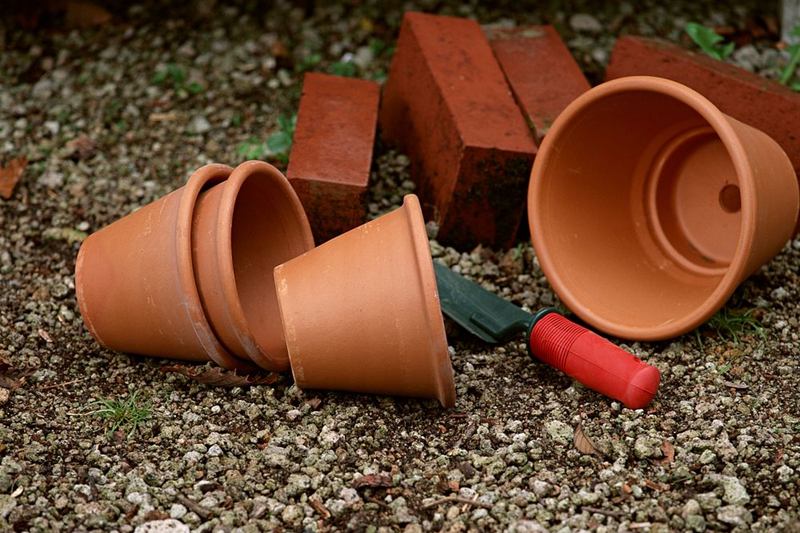
Earwigs love tight, dark hiding spots. A simple trick makes use of this:
- Loosely fill a terracotta pot with wood wool or straw.
- Secure the filling with string or a piece of wire so it does not fall out.
- Hang or place the pot upside down where you see earwigs – for example next to the balcony planter or near the window.
- Check in the morning: the insects will have hidden in the pot overnight.
- Take the pot into the garden or hang it in a fruit tree further from the house, where the earwigs can eat aphids.
4. Seal their entry points
Stopping earwigs from getting in saves you the most work. For insects on buildings, the FOEN recommends sealing cracks and fitting insect screens. Check in particular:
- joints between window frames and masonry
- roller-shutter boxes and ventilation openings
- thresholds to the balcony, garden and cellar
- openings where pipes and cables pass through
As a tenant, report larger cracks or faulty seals to the property management or caretaker instead of working on the façade yourself. Clip-in or stick-on insect screens can usually be fitted without drilling.
5. Reduce hiding places around the house
The fewer shelters there are against the wall, the less often earwigs find their way inside:
- Do not store leaves, planks or stones against the façade.
- Do not overwater balcony plants; empty the water from saucers.
- Pick up windfall fruit regularly.
- Do not stack firewood right next to a door or window.
- Shake out laundry, cut flowers and garden vegetables before bringing them in.
Woodlice, spiders and millipedes also look for damp hiding places around the house. Find out more in our guides woodlice in the flat and millipedes in the house.
Common mistakes
- Reaching for insect spray: poison is unnecessary for a few harmless insects and pollutes indoor air.
- Squashing earwigs: it leaves marks on curtains and upholstery – relocating them is cleaner.
- Only looking indoors: the cause is usually on the façade, the balcony or in damp corners outside.
- Windows open at night without screens: on warm summer nights, this is how many insects get in.
Frequently asked questions
Are earwigs dangerous?
No. They can give a slight pinch with their pincers, but they do not injure people or transmit disease. The idea that they crawl into ears is a myth. In the garden they are even useful because they eat aphids.
Can earwigs breed in the flat?
In a dry flat they find little food or moisture. Usually you are dealing with single insects that have wandered in. If many keep coming back, look for damp spots and hiding places right next to the building.
How do I get rid of earwigs without poison?
Carry single insects outside using a glass and a sheet of paper. If there are several, an upturned terracotta pot filled with wood wool collects them overnight. Also seal gaps, fit insect screens and remove hiding places around the house.
Why are there so many earwigs on the balcony in summer?
Planters, saucers and decorations provide dark, damp hiding places, and the insects are very active on warm nights. Do not overwater, empty the saucers and clear away leaves. With the flowerpot trap you can move them to the garden.
Thanks for your feedback! Feel free to share the guide.
Thanks! What was missing? Drop us a line – we will improve the guide. WhatsApp