Suddenly dozens of tiny black streaks cover the windowsill, the freshly washed bedding and even the inside of your screen. Thunderflies in the house – also called thunderbugs or thrips – often appear all at once on sultry summer days, especially near cornfields. They are a nuisance and tickle the skin, but they are harmless to people.
There is no need to fight them. It is enough to keep them outside and remove the intruders without staining fabrics or leaving smears on glass. Five steps show how.
What are thunderflies and why do they come into the house?
These insects are only about one to two millimetres long, slender and dark. You usually only notice them when many land on a pale surface at once. Most species live on grasses and cereal crops. When it turns hot and muggy, often before a thunderstorm or during the grain harvest, they rise in swarms and drift on the wind – hence the name.
Pale colours attract them: white washing on the line, light curtains, window frames and glowing screens. They get in through tilted windows, gaps and even through many fly screens.
| Where you find them | Why there |
|---|---|
| Windowsill and window frame | Point of entry, they head for the light |
| White laundry, bedding | The pale colour attracts them |
| Behind screens, in picture frames | They crawl into the narrowest gaps |
| Skin, hair | They tickle, but don't bite dangerously |
Thrips that settle permanently on houseplants are a separate issue: if you spot silvery patches on leaves, ask at a garden centre.
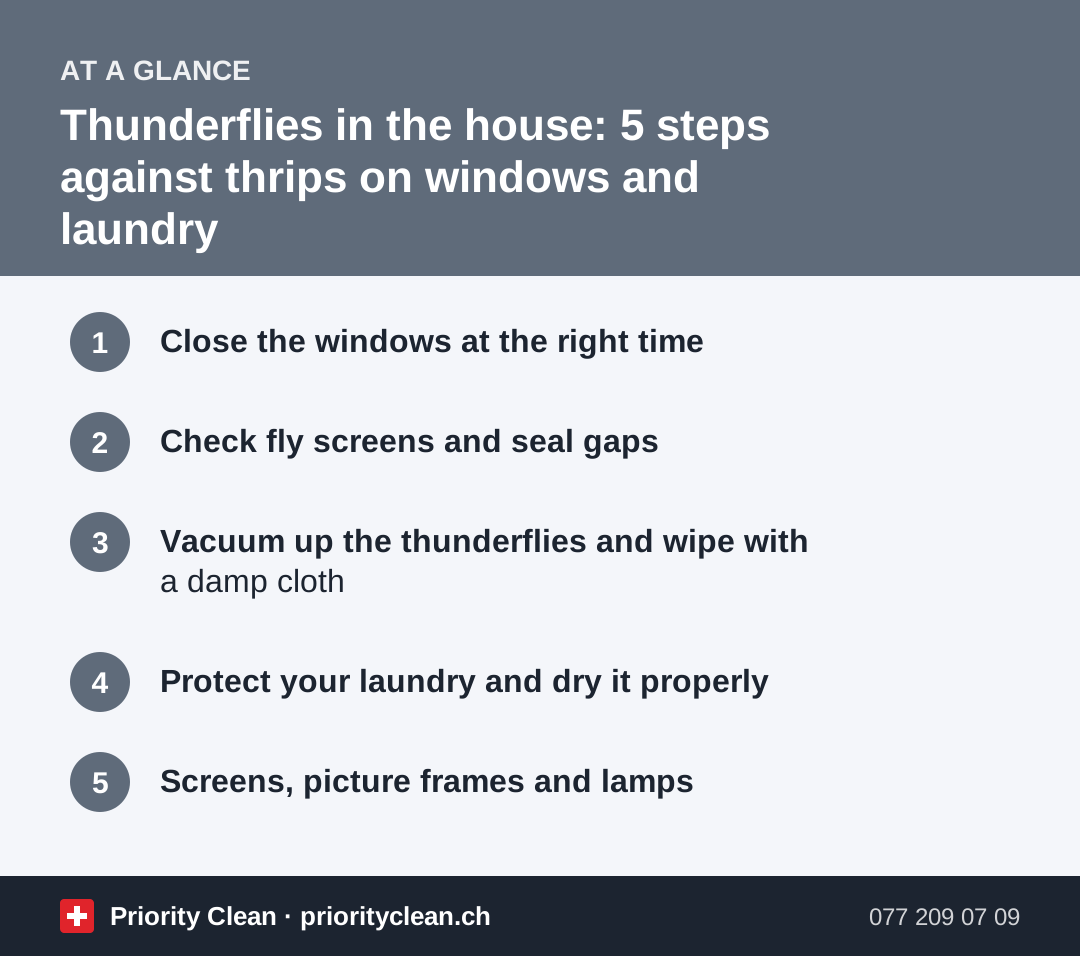
1. Close the windows at the right time
The most effective protection costs nothing: on muggy days keep the windows shut from midday through the afternoon, when the insects fly most. Air the flat late in the evening, at night or early in the morning instead. That also keeps the heat out.
This matters most if your flat borders a field or the harvest is under way nearby. After a thunderstorm or heavy rain the swarms are usually over.
2. Check fly screens and seal gaps
An ordinary fly screen doesn't always stop thunderflies. Against flies the Federal Office for the Environment (FOEN) recommends insect screens with a 0.6 mm mesh – the slender thrips still sometimes squeeze through. An intact screen is worth having all the same: it keeps most insects out and clearly reduces the number of thunderflies.
For insects that get into buildings via the façade, the FOEN advises sealing cracks, fitting insect screens and vacuuming the insects up rather than using chemicals. So check screen frames, brush seals and the joints around the roller-shutter box. To clean screens without damaging them, see our guide on cleaning fly screens.
3. Vacuum up the thunderflies and wipe with a damp cloth
A squashed thrips leaves a small dark streak – on white fabric you see it immediately. So:
- Vacuum: use the crevice nozzle on the windowsill, frame, rebate and curtains. After a big swarm, throw away the bag or empty the container outside.
- Wipe damp: clean the sill and frame with a slightly damp microfibre cloth, water and a drop of washing-up liquid.
- Dry: buff the glass with a dry cloth so no smears remain.
4. Protect your laundry and dry it properly
White washing on the line draws thunderflies like a magnet. On muggy days it is better to dry it indoors, in the tumble dryer or in the drying room of the shared laundry. If the washing is already outside:
- Shake each item out firmly before bringing it in – outdoors, not in the flat.
- Remove stubborn insects with the lint roller.
- Don't rub dark streaks on fabric – a normal wash usually removes them.
Check sheets and pillowcases before making the bed. If something tickles at night, a few thrips have often ended up in the bed: shake out and change the sheets.
5. Screens, picture frames and lamps
Thunderflies crawl into the narrowest gaps and sometimes end up between the display layer and the glass of a monitor, or behind the glass of a picture frame. Annoying, but harmless.
- Screens: don't press on the display, as that can damage the panel. Often the insect crawls out again by itself, or it dies and stays visible as a dot. Only a professional should open the device; for new devices the manufacturer's warranty applies.
- Picture frames: open the frame, brush the glass and mount carefully, clean the glass with a damp cloth and let it dry well.
- Lamps: vacuum thrips out of lampshades with the lamp switched off and cooled down.
The most common mistakes
- Squashing them with a finger: this leaves dark marks on laundry, curtains and wallpaper.
- Using insect spray: chemicals are useless against insects that keep flying in, and they pollute the indoor air.
- Pressing on the screen: the insect stays, the display may be damaged.
- Shaking laundry out indoors: that spreads the thunderflies all over the house.
Frequently asked questions
Are thunderflies dangerous?
No. They can tickle and give a brief nip, but they don't transmit diseases and don't damage furniture or food supplies. If you are allergic to insects or have strong skin irritation, ask a doctor.
Why do thunderflies appear before a storm?
On hot, humid days, often before a thunderstorm and at harvest time, thrips take off in huge numbers and are carried far by the wind. Rain usually ends their flight quickly.
Do fly screens keep thunderflies out?
Partly. Screens stop many of them, but these very slender insects slip through some meshes. The most effective measure is to keep windows closed on muggy afternoons.
How do I get a thunderfly out of my screen?
Usually not without opening the device. Don't press on the display – the insect often crawls out by itself. If the dot keeps bothering you, contact the manufacturer or a repair specialist.
Thanks for your feedback! Feel free to share the guide.
Thanks! What was missing? Drop us a line – we will improve the guide. WhatsApp