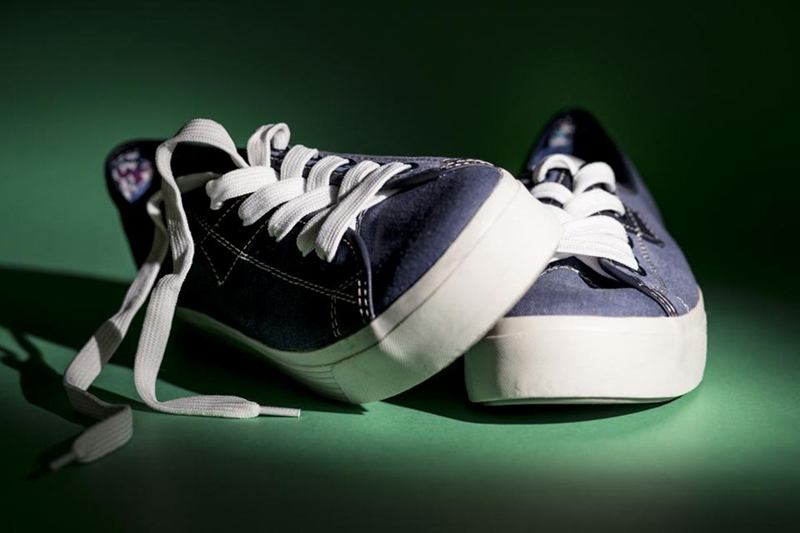
After a run in the spring rain, a festival on the grass or a summer in the school playground, trainers often end up grey, stained and far from fresh. Many people would like to wash shoes in the washing machine because it is convenient and more thorough than a brush and cloth. It works – but not for every pair, and only with a little preparation.
What matters is the material, how the shoe is made and the right programme. Here is which shoes survive a wash, how to prepare them and how to dry them – at home or in the shared laundry room.
Which shoes can go in the washing machine – and which can't
In the drum, water, heat, detergent and movement all work together. Canvas and synthetics usually cope well. Leather, on the other hand, turns hard, cracked and blotchy from water and friction, and suede loses its nap. Shoes whose soles are only glued rather than stitched are also risky: warm water and movement can loosen the adhesive, leaving the sole gaping at the toe.
| Type of shoe | Washing machine? | Better option |
|---|---|---|
| Canvas or cotton trainers | Usually yes, gentle cycle at 30 °C | In a laundry bag with old towels |
| Running and sports shoes in mesh or synthetics | Often yes, if the manufacturer allows it | Wash the insoles by hand |
| Leather and faux-leather shoes | No | Wipe with a damp cloth, then condition |
| Suede and nubuck | No | Brush dry, use a specialist product |
| Glued soles, heels, cork or flashing lights | No | Clean by hand |
| Hiking boots with a membrane | Only if the manufacturer says so | By hand with a brush and water |
White leather trainers therefore do not belong in the machine; our guide to cleaning white trainers shows how to get them bright again. For mountain boots with a membrane, read cleaning hiking boots instead.
1. Check the care label and the manufacturer's advice
Many sports and canvas shoes have a label inside the tongue with care symbols. The number in the washtub is the maximum temperature, a bar underneath stands for a gentler cycle, and a crossed-out tub means: do not wash. The textile association GINETEX explains every symbol in its care symbol index.
No label? Check the manufacturer's website or the box. If in doubt, clean the shoes by hand – especially expensive running shoes with special cushioning, or a pair that is already well worn.
2. Prepare the shoes: dirt, laces and insoles
Loose dirt should never go into the washing machine. Knock the shoes together outside, brush off dried mud and sand and pick stones out of the tread, for example with a toothpick.
- Remove the laces: washed separately in a laundry bag or by hand, they come out cleaner and don't get tangled.
- Remove the insoles: they are often glued or made of foam and lose their shape in the machine. Wash them by hand in lukewarm water with a little liquid detergent and let them dry flat.
- Pre-treat stains: work a little liquid detergent into grass stains or grime with a soft brush.
- Clean the sole edge: rubber rims can be wiped beforehand with a damp sponge and a drop of washing-up liquid.
3. Load it right: laundry bag and towels
A single pair of shoes thuds noisily around the drum. That strains the drum, door glass and bearings – and the shoes themselves. So:
- Put each pair in a zipped laundry bag or mesh wash bag, or alternatively in an old pillowcase buttoned shut.
- Add two or three old, colourfast towels. They cushion the knocks and help clean through extra friction.
- Wash no more than one or two pairs per cycle.
- Don't add light-coloured laundry that could be stained by dirt or by shoes that run.
4. Choose the programme, temperature and detergent
For shoes, a gentle or delicates programme at 30 °C is enough. Higher temperatures put adhesives, foams and colours under strain without getting the shoes any cleaner. This is in line with the advice of the Swiss energy programme SwissEnergy (EnergieSchweiz) to wash at 20 to 30 °C where possible and not to increase the detergent dose at low temperatures.
- Detergent: liquid detergent dissolves well at low temperatures and leaves no powder residue in the fabric. A normal dose for lightly to normally soiled laundry is sufficient.
- No fabric softener: it can clog mesh and technical materials and affect the cushioning.
- Spin: choose the lowest spin speed or switch spinning off altogether. High speeds distort the shoes.
- Bleach: for white canvas trainers a heavy-duty detergent is fine; for coloured shoes a colour detergent is the better choice.
5. Dry the shoes properly – without a tumble dryer
Drying decides whether the shoes keep their shape. Heat is the biggest enemy here: in the tumble dryer, on a radiator or in blazing sun, soles can come loose, plastics can warp and white areas can yellow.
- Take the shoes out of the machine as soon as the programme ends.
- Stuff them with crumpled, unprinted paper or kitchen roll. It absorbs moisture and holds the shape. Change the paper after a few hours.
- Leave them to dry somewhere airy at room temperature, for example in the laundry room or on the balcony in the shade.
- Dry laces and insoles separately.
- Only wear them again once they are completely dry inside – this often takes one to two days.
The most common mistakes
- Washing leather shoes: leather goes hard, blotchy and can crack – even if it looks fine at first glance.
- Washing too hot: 40 °C or more loosens adhesives and makes foam shrink.
- Washing without padding: alone in the drum, shoes hit hard and can damage the machine and door glass.
- Tumble drying: the heat distorts shoes and soles. Air-drying takes patience but protects the material.
- Leaving sand in the machine: check the drum and filter after washing; our guide to cleaning the washing machine explains how to look after it.
Frequently asked questions
At what temperature should you wash shoes in the washing machine?
Usually at 30 °C on a gentle or delicates programme. Higher temperatures hardly clean better but put strain on adhesives, foams and colours. If there is a care label, follow it.
Can you wash shoes without a laundry bag?
It is possible but not recommended. A laundry bag or an old pillowcase plus a few towels cushion the knocks in the drum and protect the shoes, the door glass and the machine.
Why shouldn't shoes go in the tumble dryer?
The heat can loosen adhesives, warp soles and make plastics brittle. Shoes dry better in the open air, stuffed with paper, at room temperature and out of direct sun.
Can running shoes go in the washing machine?
Many running shoes made of mesh and synthetics can take a gentle cycle, but some manufacturers advise against it. Check the advice for your model, take out the insoles and spin as little as possible or not at all.

Thanks for your feedback! Feel free to share the guide.
Thanks! What was missing? Drop us a line – we will improve the guide. WhatsApp