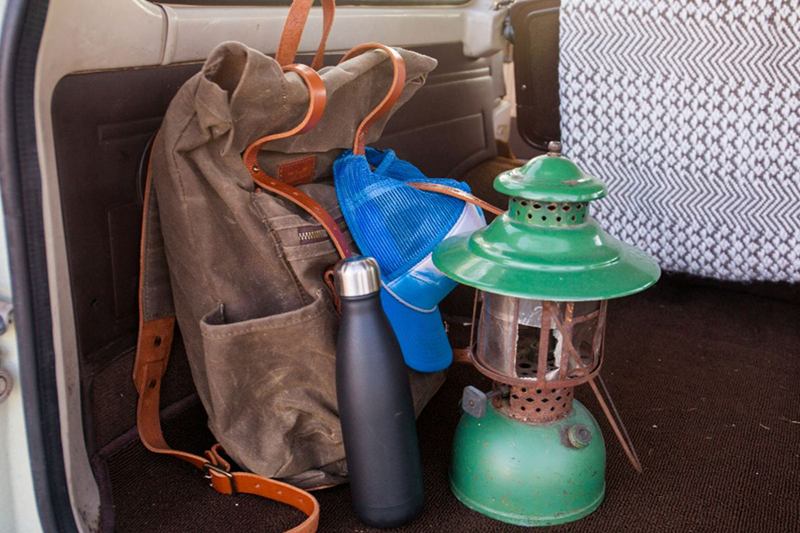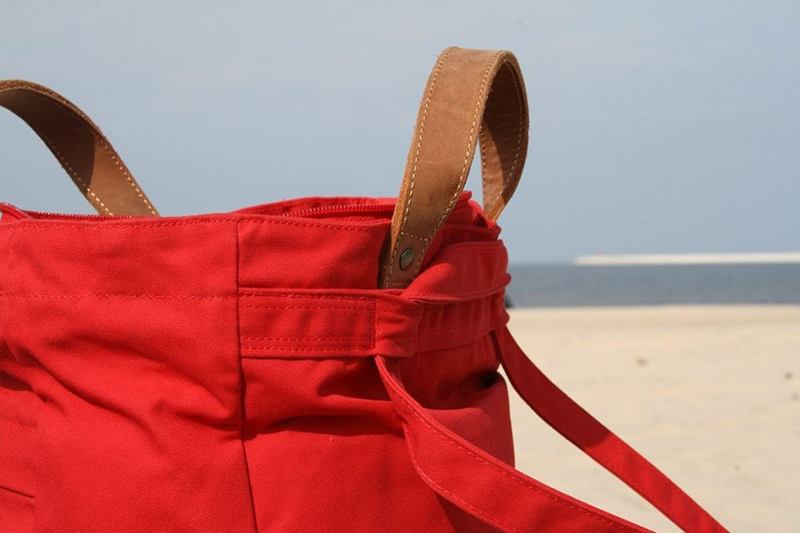
The cloth bag hangs on the coat hook, rides along in the bike basket and comes on every weekly shop. It rarely gets washed, though. When people set out to wash reusable shopping bags, the questions are usually: how often is necessary, and how hot can it be? The answer depends on what the bag has carried – and what it is made of.
Reusable bags are a sensible choice for the environment, but only if they stay hygienic. Five steps show how to keep shopping bags, cool bags and produce nets clean without ruining them.
Why you should wash reusable shopping bags regularly
All sorts of things go into a shopping bag: packaged chicken, unwrapped bread, potatoes with soil still on them, a box of eggs or a cleaning product. If meat juice or milk leaks, or soil stays in the fabric, germs can linger in the fibres. On the next shop they end up on food that is eaten raw, such as salad, fruit or bread.
The Swiss Federal Food Safety and Veterinary Office (FSVO/BLV) points out that germs spread via hands, chopping boards, kitchen utensils and cloths. A shopping bag works in much the same way: it is just one more item that comes into contact with very different foods.
| Sign | What it means |
|---|---|
| Damp patches or rings on the bottom | Leaked liquid – wash immediately |
| Sour or musty smell | Residue or moisture – wash and dry thoroughly |
| Soil, sand and crumbs in the seams | Shake out, brush and wash |
| Dark spots in the fabric | Possible mould – check cool bags and nets especially carefully |
1. Give each bag a fixed job
Good hygiene starts before the wash. If you have several bags, assign them fixed roles:
- Raw meat, poultry and fish: a separate, easy-to-wash bag, or the cool bag itself. Put packs in an extra bag if they might drip.
- Fruit, vegetables and bread: a separate bag for food that is often eaten uncooked.
- Muddy vegetables from the market: potatoes, carrots or leeks in their own net or a paper bag.
- Cleaning products and non-food items: never together with unwrapped food.
At home, chilled products go straight into the fridge. The FSVO recommends storing meat, poultry and fish below 5 °C and refrigerating chilled goods immediately after shopping. How to keep the fridge itself clean is covered in our guide to cleaning the fridge.
2. How often should you wash the bags?
There is no fixed rule, but a few simple guidelines help:
| Situation | When to wash |
|---|---|
| Meat or fish juice has leaked | Immediately |
| Bag for raw meat, fish, eggs | Regularly, even without visible dirt |
| Bag for fruit, vegetables, bread | As soon as crumbs, soil or stains appear |
| Bag for packaged goods only | Occasionally, when it looks dirty or smells |
| Bag got wet | Let it dry completely; wash if it smells |
Before every wash, turn the bag inside out and shake out crumbs, sand and soil over the bin or outdoors. Most dirt collects in the seams and corners.
3. Cotton and linen: machine-washing reusable bags
Plain cotton and linen reusable bags can usually go in the washing machine. Check the care label first: the number in the washtub is the maximum temperature. The textile association GINETEX explains the symbols in its care symbol index.
- After a meat or fish leak: if the label allows it, wash at 60 °C with a heavy-duty detergent.
- For everyday use: a wash at 30 to 40 °C is usually enough. The Swiss energy programme SwissEnergy (EnergieSchweiz) recommends washing at low temperatures, on eco programmes and with a full drum wherever possible – so the bags can simply go in with suitable laundry.
- Printed bags: turn them inside out so the print lasts longer. New bags can shrink or run, so don't wash them with light-coloured laundry the first time.
After washing, pull the bag back into shape and hang it up. If you iron: cotton usually tolerates high temperatures, but prints only from the reverse side.
4. Jute, plastic bags and produce nets
Not every reusable bag is made of cotton. These materials need different treatment:
- Jute bags: jute is stiff, warps in water and can shrink. Rub stains out with lukewarm water and a little washing-up liquid, wipe with clean water and leave to dry flat.
- Polypropylene or recycled PET bags: wipe inside and out with a damp cloth and a little washing-up liquid. Only put them in the machine if the label expressly allows it, and then at a low temperature.
- Coated or laminated bags: wipe only – never wash hot or tumble dry, as the coating can crack.
- Reusable produce nets: mostly polyester or cotton. Wash them in a laundry bag with your normal laundry so they don't tangle, at the temperature on the label.
5. Cleaning and drying cool bags
Cool bags carry exactly the most sensitive foods and often have a plastic or foil lining that must not go in the washing machine.
- Take out the ice packs and wash them separately.
- Shake out crumbs and wipe the inside with warm water and a little washing-up liquid.
- Clean corners and the zip with a soft brush.
- Wipe with clean water and rub dry.
- Leave to dry open and upside down until the seams are completely dry.
The fabric outer shell can often be cleaned with a damp cloth. For larger models, see our guide to cleaning a cool box.
The most common mistakes
- Folding wet bags: damp fabric in the car boot or a drawer starts to smell and can go mouldy.
- Everything in one bag: carrying meat, salad and cleaning products together raises the risk of spreading germs.
- Jute in the machine: the bag loses its shape and stability.
- Never cleaning the cool bag: this is exactly where meat, cheese, dairy products – and condensation – end up.
Backpacks used for shopping also need a wash now and then; see our guide to washing a backpack.
Frequently asked questions
At what temperature should you wash a cloth bag?
For everyday use, 30 to 40 °C is usually enough. If meat or fish juice has leaked, wash cotton and linen bags at 60 °C, provided the care label allows it.
How often should you wash shopping bags?
Immediately after a leak, regularly for bags used for raw meat and fish, and all others as soon as they are dirty or smell. Keeping bags separate by use matters more than a fixed schedule.
Can you put a jute bag in the washing machine?
Better not. Jute can shrink and loses its shape in the machine. Rub stains out with lukewarm water and a little washing-up liquid and leave the bag to dry flat.
How do I clean a cool bag?
Take out the ice packs, wipe the inside with warm water and washing-up liquid, wipe again with clean water and leave the bag to dry open. Most cool bags do not belong in the washing machine.
Thanks for your feedback! Feel free to share the guide.
Thanks! What was missing? Drop us a line – we will improve the guide. WhatsApp