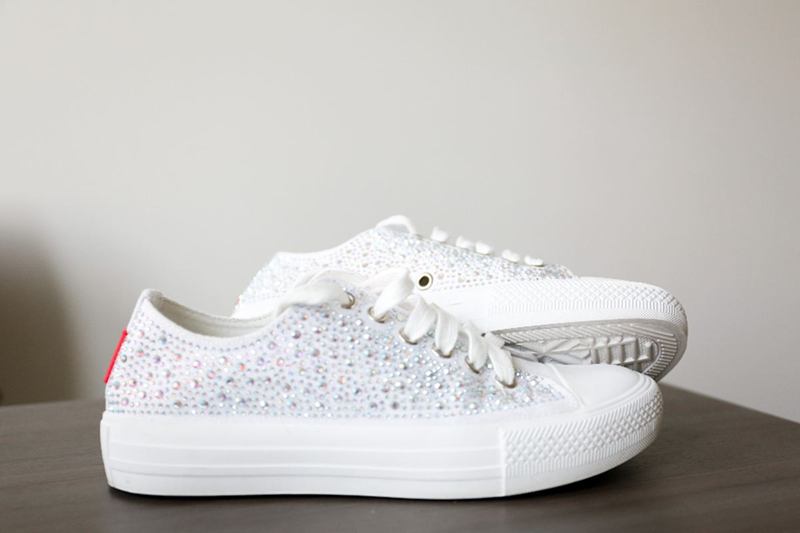
White trainers go with everything – until the first rainy walk through town, a muddy football pitch or a crowded tram. Autumn in Switzerland is tough on light shoes. The good news: most pairs look almost new again with the right method. To clean white trainers properly, you need to know what they're made of, because canvas, mesh, leather and rubber all need a different approach.
Here are five methods that work – and the mistakes that turn white shoes yellow.
Before you start: preparation
- Remove laces and insoles – they're cleaned separately.
- Let mud dry and knock it off outdoors; wet mud smears into fabric.
- Brush off loose dirt with a dry soft brush, including the sole grooves.
- Check the label inside the tongue or the manufacturer's website for care instructions.
- Test any cleaning method on a small, hidden spot, such as the inside of the heel.
You'll need: two soft brushes (an old toothbrush works), microfibre cloths, a bowl of lukewarm water, mild washing-up liquid or soap, and baking soda.
1. Soapy water for canvas and mesh
Canvas and mesh uppers respond well to gentle soapy water.
- Mix lukewarm water with a few drops of mild washing-up liquid.
- Dip a soft brush, tap off the excess and scrub in small circles.
- Work in sections and wipe away foam with a damp cloth.
- For mesh, use very little pressure to avoid pulling threads.
- Dab dry with a clean cloth.
2. Baking soda paste for soles and midsoles
Rubber soles and foam midsoles collect grey marks quickly.
- Mix two tablespoons of baking soda with a little water into a thick paste.
- Apply with a toothbrush to the sole edges and scrub in small circles.
- Leave for a few minutes and wipe off with a damp cloth.
- Rinse the brush and repeat on stubborn scuffs.
A melamine sponge can also remove marks from rubber midsoles – use it gently, as it acts like very fine sandpaper, and never on leather or printed areas.
Make sure to wipe off all paste residue: dried baking soda left in fabric can cause yellowish marks.
3. Smooth leather: wipe, don't soak
Leather trainers should never go in the washing machine.
- Wipe with a microfibre cloth dampened with lukewarm soapy water.
- Remove scuffs with gentle circular movements.
- Wipe with a clean damp cloth, then dry.
- Apply a leather care product or white leather cream when dry, following the product's instructions.
Suede and nubuck are more delicate: brush when dry with a suede brush, use a suede eraser on marks and avoid water wherever possible.
4. Laces and insoles
Clean laces make a surprising difference.
- Laces: Soak in warm soapy water, rub between your hands, rinse. Or wash them in a laundry bag with your white wash.
- Insoles: Wipe with soapy water, rinse briefly and let them dry completely before putting them back. Sprinkle a little baking soda in the shoe overnight to absorb odours, then shake it out thoroughly.
If laces are permanently grey, replacing them is inexpensive and instantly refreshes the shoes.
5. Washing machine: yes or no?
| Material | Washing machine? |
|---|---|
| Canvas | Often possible if the manufacturer allows |
| Mesh and textile running shoes | Sometimes – check manufacturer, risk to glued parts |
| Smooth leather | No |
| Suede and nubuck | No |
| Shoes with glued soles or electronics | No |
If the manufacturer allows machine washing:
- Remove laces and insoles, brush off dirt.
- Put the shoes in a laundry bag or pillowcase and add a couple of old towels to reduce knocking.
- Choose a gentle cycle at 30 °C with a low spin. EnergieSchweiz notes that low temperatures are enough for most washing – and heat can loosen shoe glue.
- Use a small amount of mild liquid detergent.
- Never put trainers in the tumble dryer.
Drying and avoiding yellow edges
Yellowing is often caused during drying, not washing.
- Stuff shoes with paper or a cloth and replace it when damp.
- Dry at room temperature in a well-ventilated place.
- Keep away from radiators, heaters and direct sunlight – heat and UV light can yellow rubber and glue and deform the shoe.
- Rinse out all detergent and baking soda residue.
Common mistakes with white trainers
- Drying on the radiator: Leads to yellow edges and cracked glue.
- Washing leather in the machine: Leather becomes hard and misshapen.
- Too much detergent or baking soda left in: Dries into yellowish marks.
- Hard brushes on mesh: Pulls threads and roughens the surface.
- Waiting too long: Fresh dirt comes off far more easily.
In winter, road salt is the next challenge – see our guide on removing salt stains from shoes. And for stains on clothes, our home remedies for stains help.
Frequently asked questions
How do you clean white trainers at home?
Remove laces and insoles, brush off dry dirt, then scrub the uppers with lukewarm soapy water and a soft brush. Use a baking soda paste on the soles and dry the shoes slowly at room temperature.
Can I put white trainers in the washing machine?
Only textile shoes such as canvas, and only if the manufacturer allows it. Use a gentle 30 °C cycle in a laundry bag with towels, and never tumble dry. Leather and suede should never go in the machine.
Why do my white trainers turn yellow after washing?
Common causes are drying in heat or direct sunlight, detergent or baking soda residue left in the fabric, and chlorine bleach. Rinse thoroughly and dry slowly at room temperature.
How do I clean white leather trainers?
Wipe them with a cloth dampened with mild soapy water, then with a clean damp cloth, let them dry and apply a leather care product.

Thanks for your feedback! Feel free to share the guide.
Thanks! What was missing? Drop us a line – we will improve the guide. WhatsApp