The scoop slides off the cone, the ice cream drips in the heat, and the pale T-shirt has a new pattern: in summer, ice cream is one of the most common stains on children's clothes. If you want to remove ice cream stains properly, it helps to know that ice cream leaves several stains at once – milk protein, fat, sugar and often colour from fruit or chocolate.
So it is less about a miracle product and more about doing things in the right order. These five steps show how to get fresh and dried ice cream out of cotton, mixed fabrics and upholstery.
Why ice cream stains are so stubborn
Ice cream is a mixture of milk or cream, sugar and flavourings, plus – depending on the flavour – fruit purée, cocoa, chocolate chips or colourings. Each ingredient needs different treatment:
| Ingredient | What it does in the fabric | What helps |
|---|---|---|
| Milk protein | Sets with heat and bonds with the fibre | Cold water, enzyme detergent |
| Fat from milk and cream | Leaves a dark, shiny ring | Ox-gall soap or washing-up liquid |
| Sugar | Sticky, attracts dirt, turns brown | Dissolves in water |
| Colour (fruit, cocoa) | Dyes the fibre | Separate follow-up treatment |
Vanilla and cream flavours mainly leave protein and fat. Strawberry, raspberry or blueberry add fruit colour, and chocolate adds cocoa and cocoa butter. Sorbets usually contain no milk but plenty of fruit and sugar, so treat them more like fruit stains.
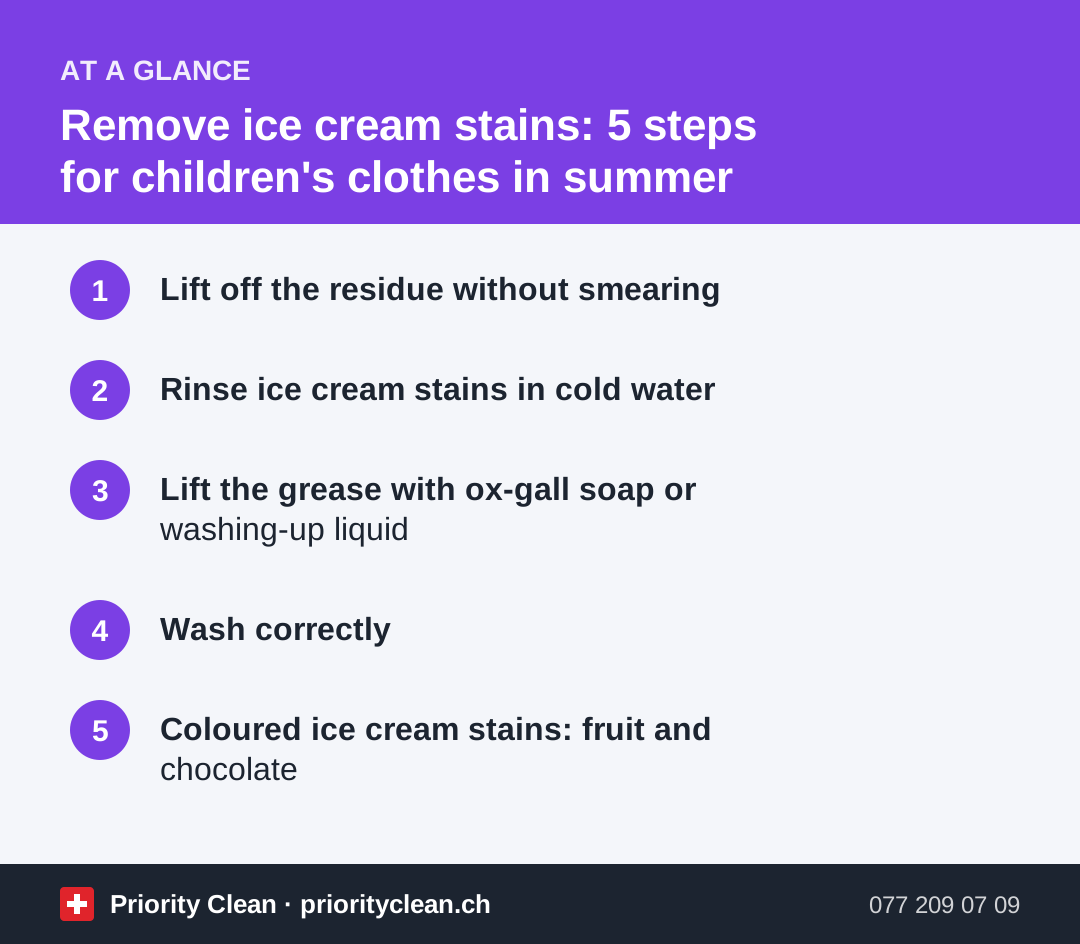
1. Lift off the residue without smearing
The less ice cream stays in the fabric, the easier the rest is to remove. Lift it off with a spoon or the back of a knife rather than wiping with a napkin. Then dab with a clean, damp cloth from the outside in, so the mark does not spread.
When you are out and about, a little cold water from a drinking bottle often does the trick: wet the fabric from the back and press gently. That stops the sugar from drying.
2. Rinse ice cream stains in cold water
At home, hold the spot under cold running water, ideally from the back of the fabric, so the residue is flushed out rather than pushed deeper. Warm or hot water is off limits at this stage: it can make the milk protein set in the fibre.
If the stain has already dried, soak the garment in cold water for a while. The sugar and dried residue loosen before you carry on.
3. Lift the grease with ox-gall soap or washing-up liquid
If a shadow or shiny ring remains after rinsing, it is usually fat. Rub the damp spot with ox-gall soap (Gallseife, sold in Swiss supermarkets) or work in a drop of washing-up liquid with your fingers. Leave it for a few minutes, then rinse in cold to lukewarm water. On delicate colours, test the soap on a hidden spot first. More tips in our guide How to use ox-gall soap.
If you prefer simple products, that works well: the Swiss consumer foundation Stiftung für Konsumentenschutz recommends relying on proven household remedies such as plain soap, bicarbonate of soda, vinegar or lemon juice rather than lots of special products.
4. Wash correctly
Now the garment can go in the machine. Many all-purpose and colour detergents contain enzymes that break down protein and fat residue – the packaging will tell you. Wash at the temperature the care label allows. For normally soiled children's clothes, hot programmes are rarely needed: SwissEnergy recommends choosing low temperatures and eco programmes and not increasing the detergent dose at low temperatures. Pre-treating and soaking do most of the work.
Wool and silk are the exception: they are protein fibres themselves and cannot take enzyme detergents. Rinse them in cold water only, treat them with a wool detergent and, if in doubt, ask a dry cleaner.
Check the spot after washing while the garment is still wet. If you can still see something, pre-treat again and rewash – but do not put it in the tumble dryer.
5. Coloured ice cream stains: fruit and chocolate
If a reddish, purple or brown tinge remains, it comes from fruit or cocoa:
- Fruit ice cream on white cotton: dab on a little lemon juice and lay the damp garment in the sun, then rinse well. For stubborn marks, an oxygen-based stain remover used as directed on the pack can help – only on fabrics whose label allows it.
- Fruit ice cream on coloured clothes: no lemon juice and no bleach; use ox-gall soap again and wash a second time. More in our guide How to remove strawberry stains.
- Chocolate ice cream: cocoa butter is fat, so degrease thoroughly first. Full instructions in How to remove chocolate stains.
On a sofa or car seat the same principle applies: lift off, dab with cold water, go over it with a little soapy water, then dab with clean water. Follow the care label on the cover and use as little liquid as possible.
The most common mistakes
- Starting with hot water: the protein sets and the stain becomes permanent.
- Rubbing hard: the mark spreads and the fibre roughens.
- Treating only the fat or only the colour: ice cream needs several steps.
- Straight into the tumble dryer: heat sets whatever is left in the fabric.
- Enzyme detergent on wool and silk: it attacks the fibre.
Other summer stains, from grass to sun cream, are covered in our guide Stains on children's clothes.
Frequently asked questions
Why shouldn't I wash ice cream stains in hot water?
Ice cream contains milk protein. Hot water can make this protein set in the fibre. So always rinse in cold water first, and only wash at the care-label temperature after pre-treating.
Can dried ice cream stains still be removed?
Often, yes. Soak the garment in cold water first so the sugar and residue loosen. Then treat the fat with ox-gall soap and wash with an enzyme detergent. Old coloured stains sometimes need several rounds.
Does sparkling water help with ice cream stains?
Cold water helps when you are out, because it stops the sugar drying. Whether it is still or sparkling makes no real difference. What counts is acting straight away and not rubbing.
How do I get ice cream out of a sofa?
Lift off the residue, dab with a cold, damp cloth from the outside in and go over it with a little soapy water. Then dab with clean water and let it dry. Follow the care label on the cover and test on a hidden spot.
Thanks for your feedback! Feel free to share the guide.
Thanks! What was missing? Drop us a line – we will improve the guide. WhatsApp