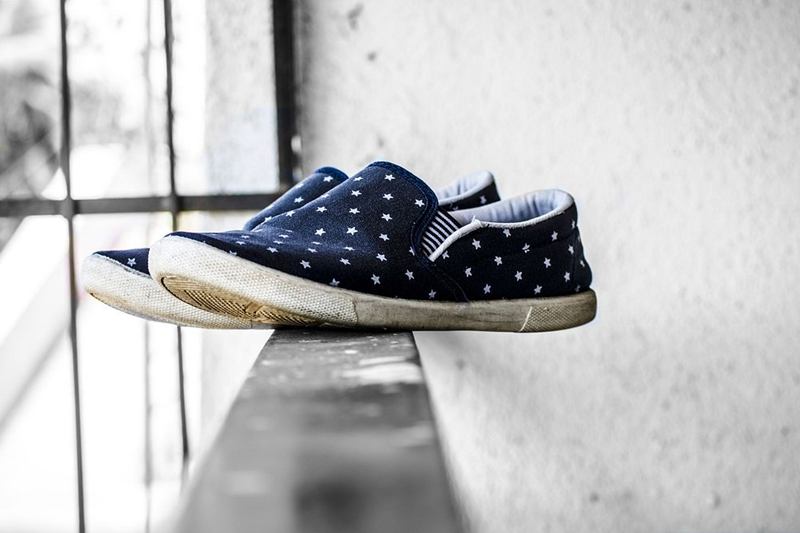
The trainers have barely been kicked off in the hallway and the whole flat knows about it. Smelly shoes are rarely a sign of poor hygiene – they are the result of a simple combination of moisture, warmth and bacteria. In summer, when feet sweat more, the problem becomes particularly noticeable.
The good news: you rarely need expensive special products to tackle shoe odour. Five remedies really help – and one popular trick, unfortunately, hardly does. Here is how to freshen up trainers, sports shoes and everyday shoes.
Why shoes get smelly
Feet have more sweat glands than most parts of the body. Fresh sweat hardly smells at all. The typical odour is produced by bacteria living on the skin and inside the shoe: they feed on sweat and dead skin cells and release foul-smelling substances in the process.
A shoe gives them ideal conditions: it is warm, dark and damp. If it doesn't dry out completely overnight, the bacteria multiply day by day. Typical risk factors:
| Situation | Why it smells |
|---|---|
| The same shoes every day | The inside never dries out completely |
| Bare feet in trainers or ballet flats | Sweat goes straight into the lining and sole |
| Plastic or synthetic shoes | Poorly breathable, moisture stays inside |
| Old, flattened insoles | Sweat and bacteria collect here |
| Wet shoes after rain or sport | Moisture is the perfect breeding ground |
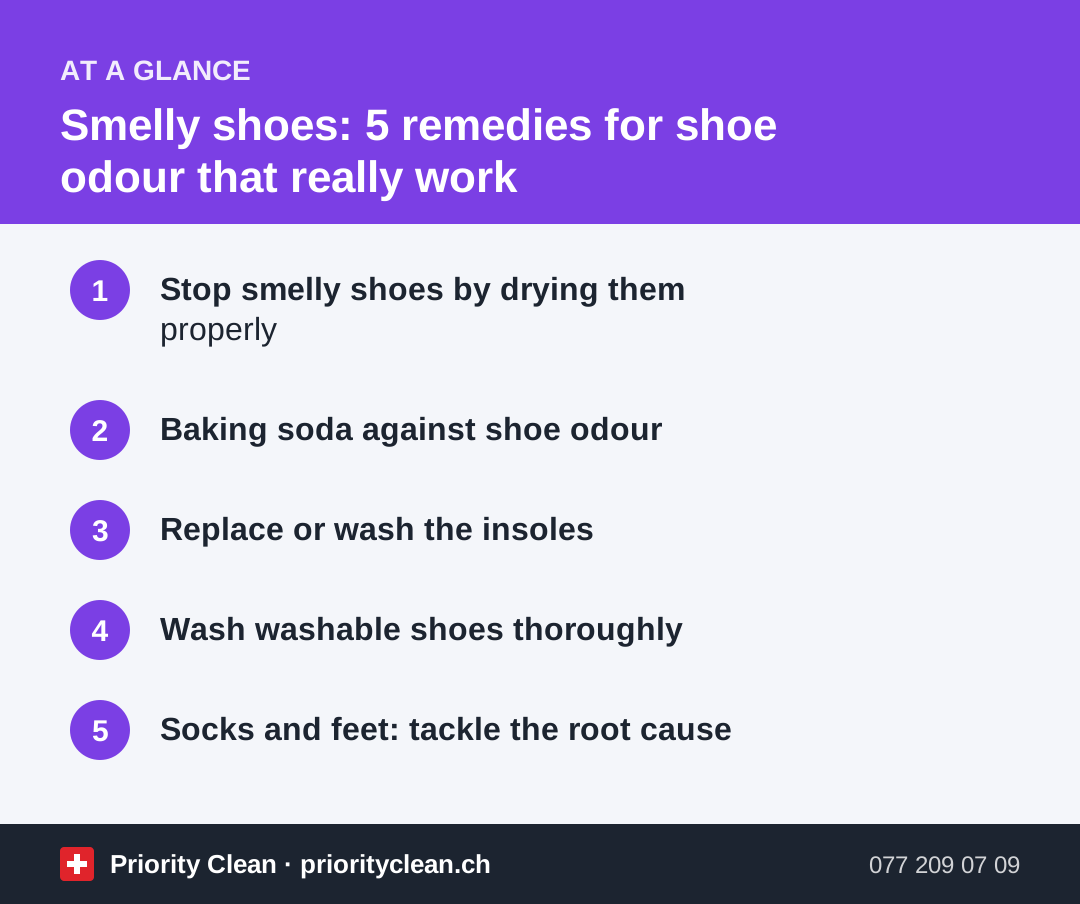
1. Stop smelly shoes by drying them properly
Drying is by far the most effective measure. After wearing, take your shoes out of the closed shoe cabinet and put them somewhere airy, such as on the balcony or near an open window. Loosen the laces and pull the tongue forward.
- Newspaper: scrunched-up paper soaks up moisture. Replace it after a few hours until it stays dry.
- Cedarwood shoe trees: the wood absorbs moisture, keeps leather shoes in shape and smells pleasant.
- Alternate pairs: try not to wear the same pair two days in a row.
Don't put them on a radiator, next to a stove or in direct sunlight: leather becomes hard and cracked, and glued seams can come apart. A shoe dryer on a low temperature is a good alternative.
2. Baking soda against shoe odour
Baking soda (sodium bicarbonate, sold in Switzerland as Natron) is a tried-and-tested home remedy for odours. The Swiss consumer protection foundation lists it among the simple household remedies that can replace many special cleaners. Here's how:
- Let the shoes dry completely.
- Sprinkle one tablespoon of baking soda into each shoe and spread it out.
- Leave it overnight.
- In the morning, tap it out thoroughly or vacuum it up.
On dark linings or suede, white residue stays visible. In that case, put the baking soda into an old, clean sock or a fabric pouch and place that in the shoe. For more uses, see our guide Cleaning with baking soda.
3. Replace or wash the insoles
The insole is in direct contact with your foot – this is where most of the odour sits. Take removable insoles out after every wear so that insole and shoe dry separately. If they still smell, wash or replace them. How to do this gently, even with orthotic insoles, is explained in our guide How to clean insoles.
Insoles made of leather, activated charcoal or cedarwood can reduce odours further. But they too need regular airing and replacing from time to time.
4. Wash washable shoes thoroughly
If canvas or mesh trainers still smell despite everything, a proper wash is often the only solution. Many trainers can go in the washing machine on a gentle cycle – but by no means all. Check the label in the tongue or the manufacturer's instructions; leather shoes, glued models and shoes with electronics don't belong in the machine. Our guide Washing shoes in the washing machine shows how.
Wipe the inside of non-washable shoes with a damp cloth and a little soapy water, then let them dry thoroughly.
5. Socks and feet: tackle the root cause
The less sweat ends up in the shoe, the better you prevent odour:
- Always wear socks, even in trainers – thin trainer socks are enough.
- Choose the right material: cotton, wool (merino, for example) or technical fibres absorb or wick away moisture.
- Fresh socks every day, and change them during the day if you sweat a lot.
- Wash socks warm enough: as warm as the care label allows. The meaning of each symbol is explained in GINETEX's care-symbol index.
- Wash your feet daily and dry them well, including between the toes.
If a strong odour persists despite all this, or if itching, redness or flaking skin appear, athlete's foot or another cause may be behind it. Ask at a pharmacy or see a doctor – this guide is not a substitute for medical advice.
The freezer trick: myth or help?
You often read that you should put smelly shoes in a bag in the freezer overnight. The cold does slow bacteria down, but it is far from killing them all. Once thawed, they become active again and the smell soon returns. What's more, condensation forms inside the shoe as it thaws – exactly the moisture you want to get rid of. And outdoor shoes have no place next to food from a hygiene point of view.
Common mistakes
- Putting shoes away in a closed cabinet while they are still damp.
- Wearing the same pair every day: it never dries out fully.
- Masking the odour: perfume or scented spray mixes with the sweat smell instead of removing it.
- Drying on the radiator: leather and glued seams suffer.
- Never taking the insoles out: underneath them it stays permanently damp.
Frequently asked questions
What is the quickest fix for smelly shoes?
The fastest approach combines drying and baking soda: remove the insoles, dry the shoe with newspaper, then sprinkle baking soda inside overnight and tap it out in the morning.
Does putting smelly shoes in the freezer work?
Hardly. The cold only slows bacteria down temporarily; once thawed they become active again, and condensation forms. Thorough drying and baking soda work better.
How often should you replace insoles?
That depends on the material and how much you wear them. If insoles still smell after washing and drying, or if they are flattened or misshapen, it's time to replace them. Have orthotic insoles checked by a specialist shop.
Why do trainers smell faster than leather shoes?
Many trainers are made of synthetic materials that let moisture escape poorly, and they are often worn without socks. Leather absorbs moisture better and releases it again as it dries.
Thanks for your feedback! Feel free to share the guide.
Thanks! What was missing? Drop us a line – we will improve the guide. WhatsApp