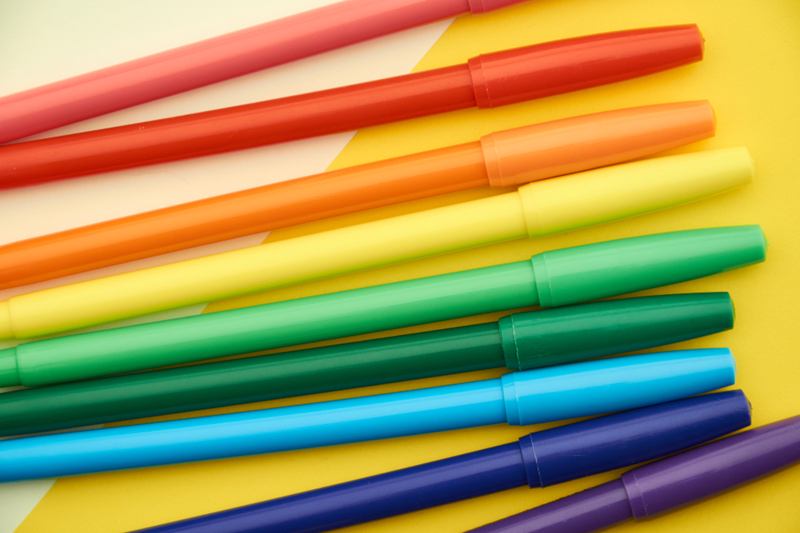
One unguarded moment, and colourful lines decorate the wallpaper, the dining table or your child's arm. When you want to remove permanent marker, you're up against an ink designed to stay put: it's waterproof and dries in seconds. But that doesn't mean it can't be dissolved.
The key is the solvent. Most permanent markers contain dyes in an alcohol-based solvent – and what alcohol has dissolved, alcohol can often dissolve again. Here are five methods, depending on the surface.
Why permanent marker sticks so well
A permanent marker contains dyes or pigments, a binder and a fast-evaporating solvent, usually alcohol-based. The solvent evaporates and the binder anchors the colour to the surface. Water can't touch it.
How hard it is to get off depends mainly on the surface:
| Surface | Difficulty | First thing to try |
|---|---|---|
| Glass, whiteboard, tiles, smooth plastic | Easy | Whiteboard trick or alcohol |
| Varnished table, laminate | Medium | Alcohol, test first |
| Oiled or untreated wood | Hard | A little alcohol, otherwise light sanding |
| Wall with emulsion paint | Medium to hard | Melamine sponge, otherwise stain-blocking primer |
| Clothes, fabrics | Medium | Dab with alcohol, then ox gall soap |
| Skin | Easy | Oil or hand cream, then soap |
The fresher the mark, the easier it is. So act as soon as you can.
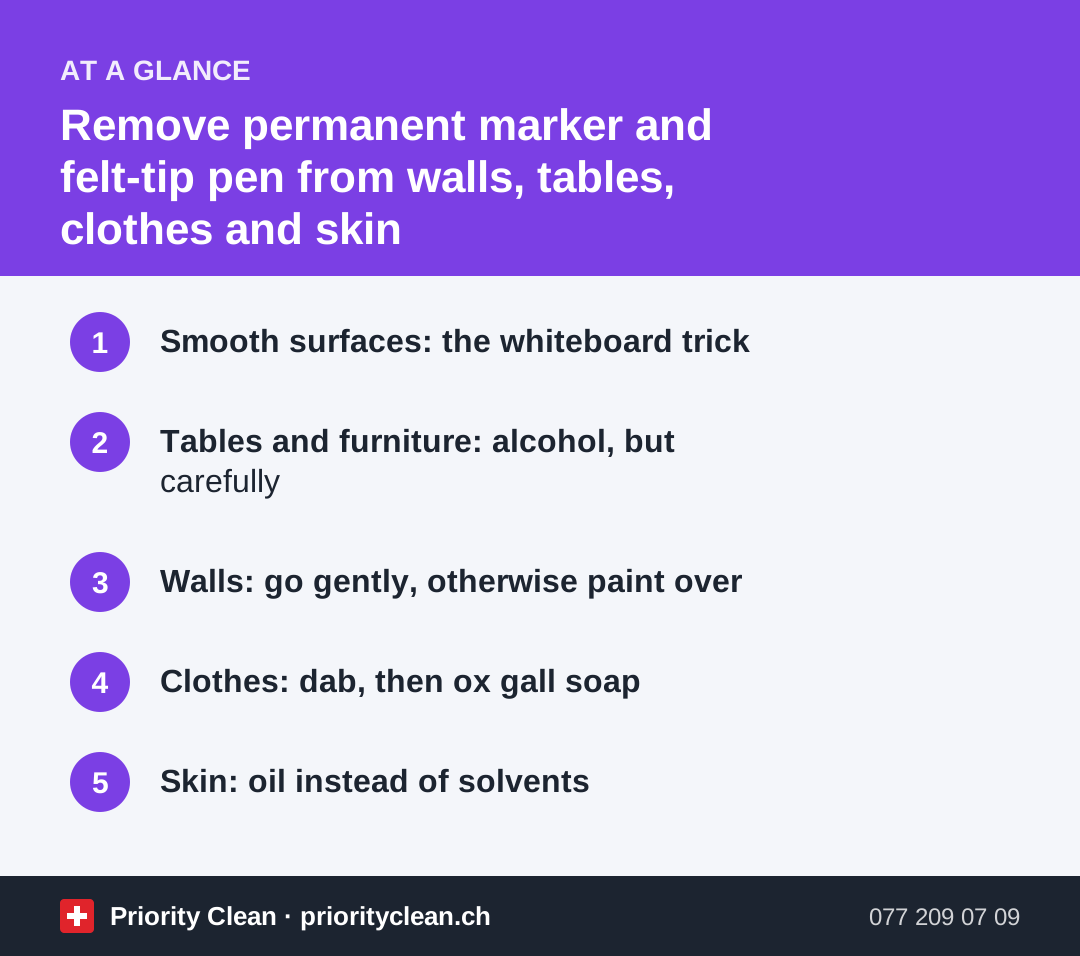
1. Smooth surfaces: the whiteboard trick
On glass, mirrors, tiles, whiteboards and smooth plastic, a simple trick works: trace over the entire permanent marker line with a dry-erase whiteboard marker. Its solvent softens the old ink, and after a few seconds you can wipe both away with a dry cloth. For more on this, including ghosting, see our guide How to clean a whiteboard.
If it doesn't all come off, put a little alcohol on a cloth and wipe again. Then clean with plain water.
2. Tables and furniture: alcohol, but carefully
Alcohol is the main weapon against permanent marker. The Swiss consumer protection foundation lists it among the simple household remedies that can replace many special cleaners. Suitable options are isopropyl alcohol from the chemist or pharmacy, methylated spirits (Brennsprit in Swiss shops) or an alcohol-based disinfectant.
- Test on a hidden spot to see whether the varnish or surface reacts.
- Lightly dampen a cotton pad or cloth – don't soak it.
- Dab the mark with light pressure and wipe in small movements.
- Keep switching to a clean part of the cloth.
- Wipe with a damp cloth and dry.
On oiled or untreated wood, the ink sinks into the pores and alcohol only helps partly. If a shadow remains on solid wood, sand the spot lightly along the grain with fine sandpaper and then re-oil it. For veneered furniture, leave this job to a professional.
3. Walls: go gently, otherwise paint over
On walls with emulsion paint, take care, because alcohol can dissolve the paint. Start with a slightly damp melamine sponge (magic eraser) and rub with very little pressure. It works like extremely fine sandpaper: on matt walls it can leave shiny patches.
If the mark is still visible, the only option is to paint over it. Important: felt-tip ink bleeds through ordinary wall paint. So first apply a stain-blocking primer from a DIY or paint shop, then the matching wall paint. In a rented flat, agree any major work with the property management first. What matters at the handover is explained in our guide Cleaning walls before moving out instead of painting.
4. Clothes: dab, then ox gall soap
With fabrics, the rule is: never rub and don't wash straight away, or the colour will set.
- Place an absorbent cloth or kitchen paper under the stain.
- Dab from the back with a cotton pad soaked in alcohol. The ink transfers into the cloth underneath.
- Change the cloth underneath several times until hardly any colour comes out.
- Rub the area with ox gall soap and leave it briefly.
- Wash according to the care label and check before drying – the tumble dryer sets any residue.
Test the alcohol on a seam first, as delicate colours can run. Acetone (nail polish remover) is off-limits on acetate and triacetate: it dissolves these fibres. For more on using ox gall soap, see our guide Ox gall soap. For ordinary ink, the method in Remove pen ink works well.
5. Skin: oil instead of solvents
On skin, permanent marker fades on its own within a few days. If you don't want to wait, rub the area with cooking oil, baby oil or a rich hand cream, leave it for a moment and wash it off with warm water and soap. The fat dissolves the colour gently.
On children, don't use methylated spirits, acetone or repeated disinfectant: they dry out and irritate the skin. Near the eyes and on broken skin, avoid anything except water and mild soap.
Common mistakes
- Rubbing hard: the ink spreads and the stain gets bigger.
- Starting with water: waterproof ink doesn't react, and on fabrics the stain can even set.
- Not testing: alcohol can damage varnish, wall paint and delicate fabrics.
- Melamine sponge on high gloss: it leaves dull patches.
- Painting straight over it: without a stain-blocking primer, the marker bleeds through the new paint.
Frequently asked questions
What removes permanent marker?
Usually alcohol: isopropyl alcohol, methylated spirits or an alcohol-based disinfectant. On smooth surfaces the whiteboard trick also helps; on skin, oil or hand cream. Always test first on a hidden spot.
How do I get felt-tip pen off a wall?
First try carefully with a slightly damp melamine sponge. If the mark stays, apply a stain-blocking primer and then wall paint. Ordinary paint alone often won't cover felt-tip ink.
Does permanent marker come out of clothes?
Often, if you act quickly: dab with alcohol from the back onto an absorbent cloth, pre-treat with ox gall soap and wash according to the label. Success isn't guaranteed, especially on delicate fibres.
Is permanent marker on skin dangerous?
Small marks fade on their own within a few days. Oil or hand cream followed by soap removes them gently. If the skin gets irritated or a child has swallowed ink, ask Tox Info Suisse on 145 or a doctor for advice.
Thanks for your feedback! Feel free to share the guide.
Thanks! What was missing? Drop us a line – we will improve the guide. WhatsApp