After the wash you spot an orange-brown mark on your white shirt, exactly where a metal button or a wire hanger was. Getting rid of rust stains on clothes doesn't take specialist knowledge, just the right principle: rust dissolves in acid. That's why lemon juice, salt and citric acid often work better than any stain remover.
What you shouldn't do is just as important: chlorine bleach and other chlorine-based whiteners make rust darker, not lighter. Here are five methods that really help – plus where these stains come from in the first place.
Why rust stains on clothes are so stubborn
Rust forms when iron reacts with water and oxygen. In textiles, tiny iron oxide particles settle between the fibres. Normal detergent barely shifts them, because it is designed for grease, protein and dirt, not metal compounds. Acids, on the other hand, dissolve the iron oxide and make it washable.
Typical causes of rust on clothing:
| Cause | Where the stain appears |
|---|---|
| Metal buttons, rivets, hooks, zips | Right next to them, often after washing |
| Wire hanger with a damp garment | On the shoulders |
| Hair clips, paper clips, nails in a pocket | Single spots, sometimes on several items |
| Rusty washing line, drying rack or balcony railing | Streaks or spots where the item rested |
| Damaged drum or rusty water | Recurring spots after every wash |
| Underwired bra with a wire poking out | On the band under the bust |
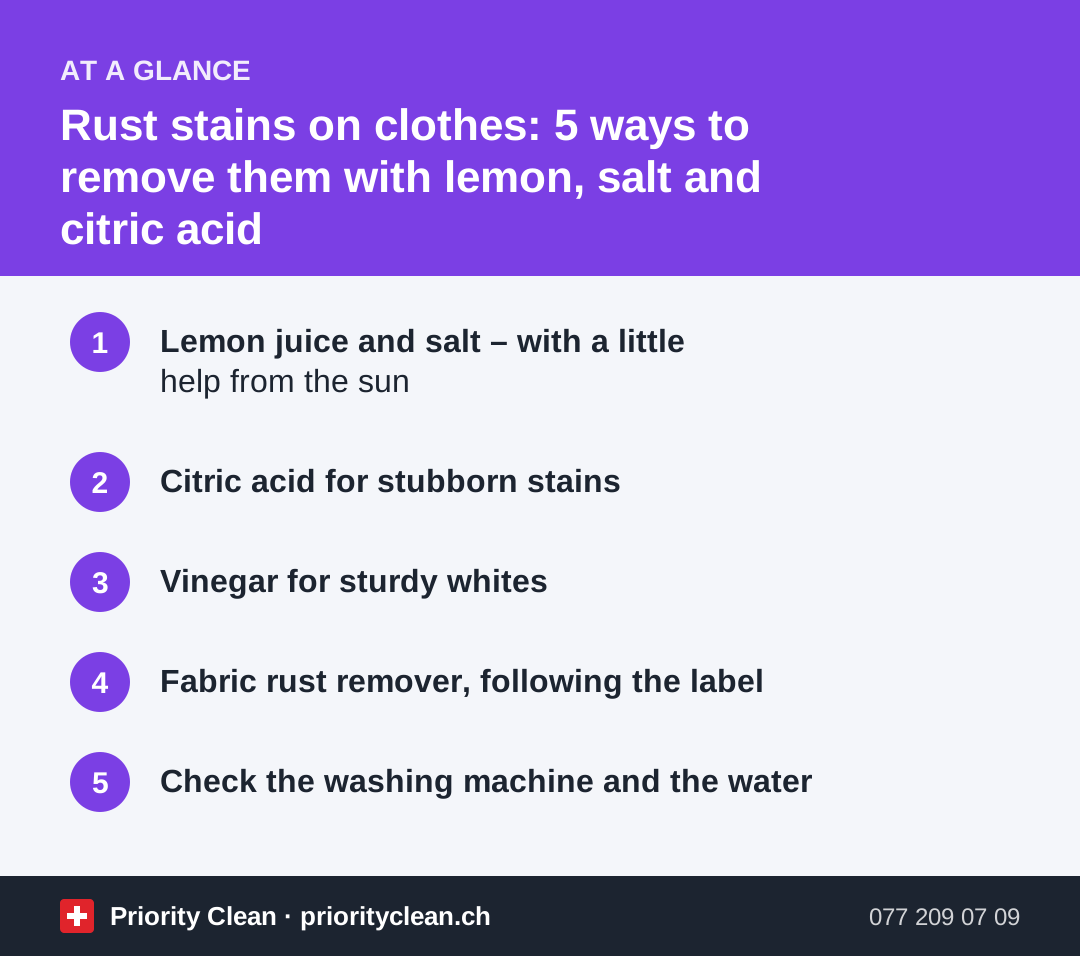
1. Lemon juice and salt – with a little help from the sun
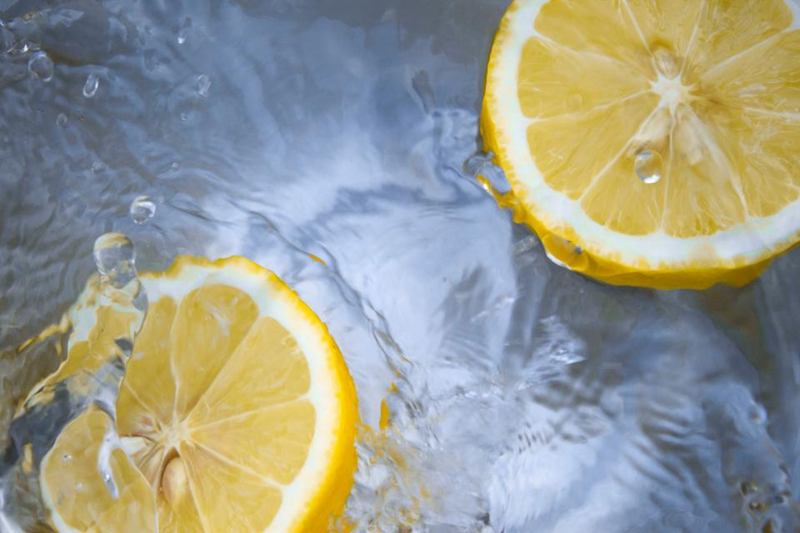
This old-fashioned method works particularly well on white cotton and linen. Lemon juice contains citric acid; salt acts as a mild abrasive and keeps the juice on the stain. The Swiss consumer protection foundation lists lemon juice, citric acid, salt and vinegar among the simple household remedies that can replace many special cleaners.
- Drizzle freshly squeezed lemon juice over the stain.
- Sprinkle coarse salt on top to form a damp layer.
- Lay or hang the garment in the sun and let it dry – this speeds things up.
- Brush off the salt, rinse the spot with cold water and check.
- Repeat if necessary, then wash as usual.
Take care with coloured clothes: lemon and sunlight can lighten colours. Test on a seam and dry coloured items in the shade.
2. Citric acid for stubborn stains
Citric acid from the chemist or supermarket is stronger than lemon juice and leaves no pulp behind. Dissolve about a tablespoon of powder in a cup of warm water and dab the solution onto the stain with a cotton pad. Let it work, checking now and then, and then rinse thoroughly with cold water. Small items can also be soaked in the solution – but only if the colour has passed the test.
For more on citric acid around the house, see our guide Citric acid or vinegar for descaling?.
3. Vinegar for sturdy whites
White vinegar is weaker than citric acid but suits light, fresh stains on sturdy cotton. Soak the stain in vinegar, sprinkle a little salt on it, leave for an hour and rinse thoroughly. Vinegar isn't suitable for acetate or delicate fabrics.
4. Fabric rust remover, following the label
If home remedies don't do the job, you can buy rust removers made specifically for textiles. They often contain stronger acids and can be irritant or corrosive. Read the label and hazard symbols carefully, wear gloves and stick to the dose and contact time. Tox Info Suisse advises keeping chemicals in their original packaging and out of children's reach. Make sure the product is actually meant for fabrics – rust removers for metal or tiles are not suitable for clothing.
For wool, silk and valuable items, don't experiment: take them to a dry cleaner.
5. Check the washing machine and the water
If new rust spots appear after every wash, the cause often lies elsewhere, not in the clothes themselves. Check the following:
Small objects in the drum or filter turn up when you clean the machine regularly – see our guide How to clean a washing machine. Brownish water can point to old pipes, which is a matter for the property management. For rust on tools, bikes or tiles, read How to remove rust with home remedies.
Common mistakes
- Chlorine bleach: the stain gets darker and becomes permanent.
- Washing hot straight away: heat can set the residue.
- Scrubbing hard: the fibre suffers and the stain spreads.
- Not testing: acid and sunlight can lighten coloured fabrics.
- Only treating the stain: without finding the cause, new spots will appear.
Frequently asked questions
What works best on rust stains on clothes?
Acid: fresh lemon juice with salt, or a solution of citric acid and warm water. Let it work, rinse thoroughly with cold water and only then wash. On coloured clothes, test on a seam first.
Can you use bleach on rust stains?
No. Chlorine reacts with the iron, darkens the stain and often makes it permanent. Bleach must also never come into contact with acids such as citric acid or vinegar, because toxic chlorine gas forms.
Do old rust stains still come out?
Often, yes, but it takes several rounds. Repeat the citric acid treatment until nothing more dissolves. If the stain has already been set by bleach or heat, the chances are lower.
Why do I get rust spots after every wash?
Usually because of metal objects in the drum, rust spots on the drum or drying rack, or rusty water. Check pockets, drum and seal, and in a shared laundry room tell the caretaker.
Thanks for your feedback! Feel free to share the guide.
Thanks! What was missing? Drop us a line – we will improve the guide. WhatsApp