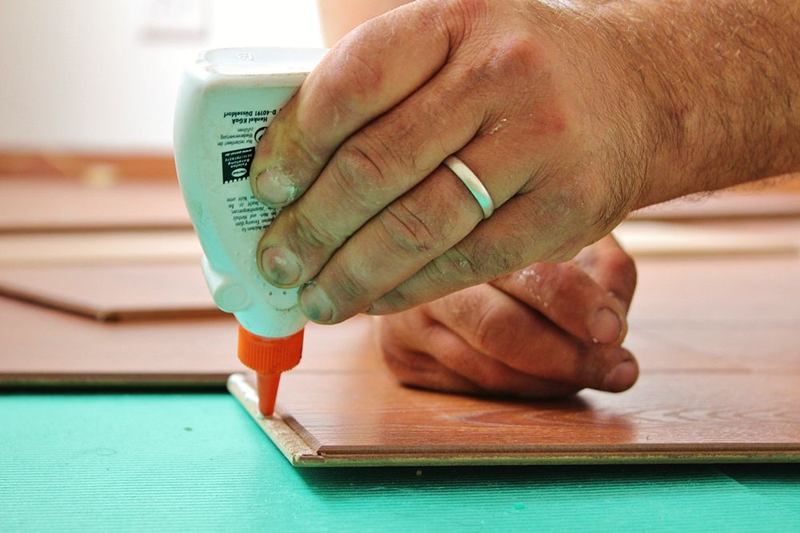
Gluing a mug, fixing a shoe, building a model – and suddenly your thumb and index finger are stuck together, or a shiny drop has set on the table top. When you need to remove superglue, staying calm matters most: force tears skin or scratches surfaces, while the right method almost always works.
Which method is right depends on the surface. Skin, glass, plastic and textiles react very differently, and the best-known solvent, acetone, is far from safe everywhere.
Why superglue sets so fast
Superglue is made of cyanoacrylate. It does not harden by drying but by reacting with moisture in the air and on surfaces. Because skin is always slightly moist, it bonds fingers especially quickly and firmly. On smooth, non-porous surfaces such as glass it forms a hard layer; in textile fibres and porous materials it soaks in deeply.
Once cured, the glue is brittle and does not cope well with warmth and prolonged moisture – most methods exploit exactly that weakness.
| Surface | Proven method | Avoid |
|---|---|---|
| Skin | Warm soapy water, oil, roll apart gently | Pulling, blades, abrasives |
| Glass, glazed tiles | Glass scraper or blade, then acetone | Steel wool, dry scraping |
| Plastic, acrylic glass | Warm water, oil, glue remover as labelled | Acetone, nail polish remover |
| Lacquered wood, furniture | Warm damp compress, oil, lift carefully | Acetone, sanding without know-how |
| Cotton, denim | Let harden, crumble, acetone after testing, wash | Smearing fresh glue |
| Acetate, synthetics | Let harden, crumble, dry cleaner | Acetone |
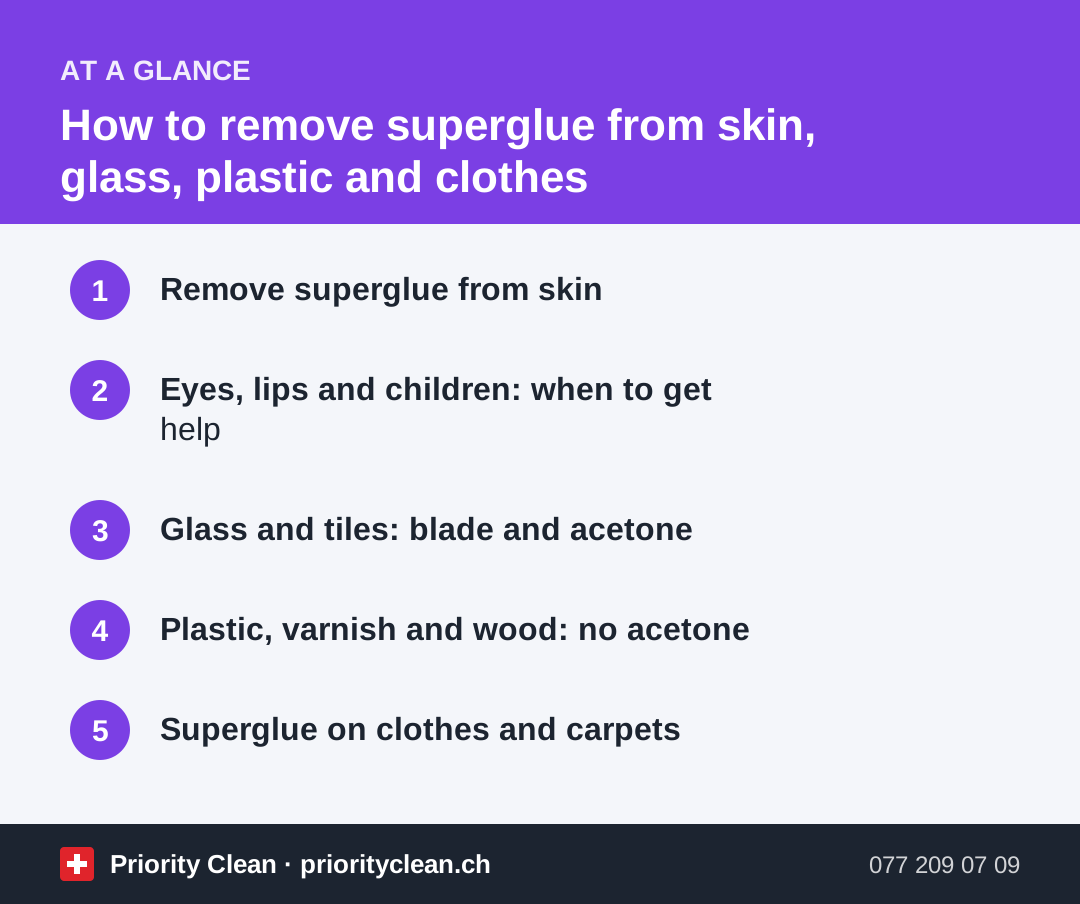
1. Remove superglue from skin
If fingers are stuck together, never yank them apart. Skin tears faster than the glue gives way.
- Soak the affected areas in warm soapy water for a few minutes to soften the glue.
- Gently roll the fingers against each other, or ease them apart with a blunt object such as the handle of a teaspoon.
- Massage stubborn spots with a little cooking oil or a rich hand cream and soak again.
- Do not pick at what remains. The top layer of skin renews itself constantly, and the residue comes off by itself within one or two days.
Acetone-based nail polish remover can dissolve glue faster on intact skin. However, it dries the skin out badly and must not go on broken skin or near the eyes and mouth. Wash your hands thoroughly afterwards and moisturise.
2. Eyes, lips and children: when to get help
This is where household remedies stop. This guide is not a substitute for medical advice.
Prevention is simple: keep glue, acetone and nail polish remover in their original packaging and out of children's reach. Tox Info Suisse also recommends that you read labels and hazard symbols before use.
3. Glass and tiles: blade and acetone
Glass tolerates both blades and solvents.
- Wet it: moisten the spot with soapy water. A wet surface helps prevent scratches.
- Lift it: hold a glass scraper or a fresh blade flat against the surface and push the drop off in one direction. Never use a blunt or nicked blade.
- Finish: rub off fine haze with a cotton pad and a little acetone, then wipe with glass cleaner.
The same works on glazed tiles. For coated glass, such as some shower screens, and for natural stone such as marble, check with the manufacturer or test on an inconspicuous spot first. More tips for sticky marks are in our guide on how to remove sticky residue.
4. Plastic, varnish and wood: no acetone
Acetone dissolves not only the glue but also many plastics, varnishes and coatings. On acrylic glass, phone cases, spectacle lenses, lacquered furniture or car paint it leaves dull, soft or milky patches.
A gentler approach:
- Soak a cloth in warm soapy water and lay it over the drop for a few minutes.
- Massage in a little cooking oil and carefully lift the edge of the drop with a fingernail or plastic spatula.
- If the glue still holds, use a dedicated superglue remover – strictly as labelled and on a hidden spot first.
For valuable furniture, glasses or electronics, it is better to ask a specialist shop. For everyday care of acrylic glass, see our guide to cleaning Plexiglas.
5. Superglue on clothes and carpets
On textiles, do not rub straight away, or the fresh glue soaks in even further. Do not mop up larger amounts with a cotton cloth either: cyanoacrylate can react strongly with cotton and heat up.
- Let the glue cure completely; if needed, put the garment in a bag in the freezer. Cold makes the glue brittle.
- Carefully crack the hard layer and crumble it off with a fingernail or the edge of a spoon.
- On sturdy fabrics such as cotton, dab the residue with a cotton pad and a little acetone – test on an inside seam first.
- Wash the garment according to the care label.
On acetate, triacetate and many synthetic fibres, acetone is off-limits because it dissolves the fibres – only crumbling or the dry cleaner will help. Treat carpets the same way, using little liquid so the backing does not get soaked.
Common mistakes
- Pulling fingers apart: leads to torn skin and pain. Soaking is gentler.
- Acetone on plastic: phone cases, Plexiglas and spectacle lenses turn cloudy or soft.
- Scraping dry: scratches glass and tiles. Always work wet.
- Smearing fresh glue: one drop becomes a large film.
If you already keep nail polish remover at home, also read how to remove nail polish from fabric and furniture.
Frequently asked questions
How do I unstick fingers glued together with superglue?
Soak them in warm soapy water, massage in a little cooking oil and gently roll them apart. Never pull sharply. Residue on the skin comes off by itself within one or two days.
Does nail polish remover dissolve superglue?
Yes, if it contains acetone. It is suitable for intact skin, glass and sturdy cotton, but not for plastic, varnish, acetate or anywhere near the eyes and mouth.
What should I do if superglue gets in my eye?
Do not force the eye open, rinse with lukewarm water and get medical help immediately. For questions about poisoning, Tox Info Suisse gives advice around the clock on 145.
How do I remove superglue from a glass table?
Wet the spot with soapy water, push the drop off with a glass scraper held flat and rub off the residue with a little acetone. Finish with glass cleaner.
Thanks for your feedback! Feel free to share the guide.
Thanks! What was missing? Drop us a line – we will improve the guide. WhatsApp