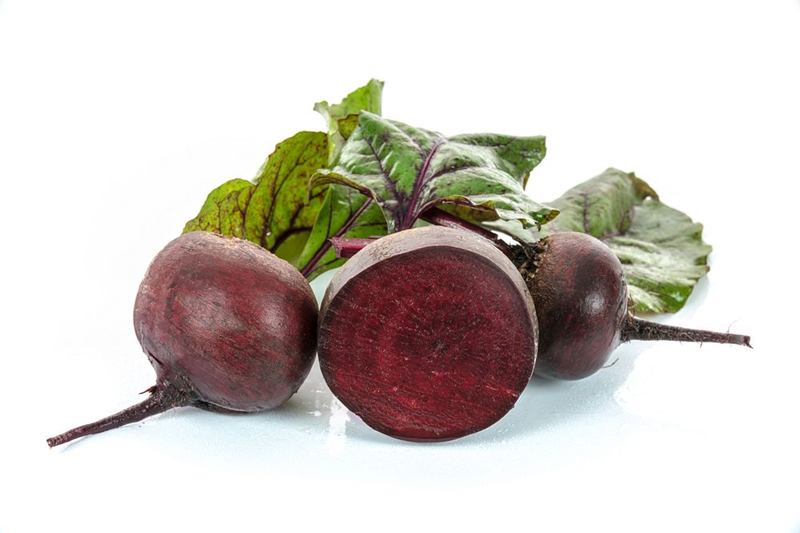
A salad of cooked beetroot, a freshly pressed juice or a pink risotto – and suddenly your fingers, chopping board and T-shirt glow magenta. With beetroot stains, speed is everything: the pigment dissolves in water and, while it is fresh, usually rinses out completely.
Things only get tricky once the juice dries or meets hot water. These five tricks show how to get clothes, hands, wood and worktops clean again, using things almost every Swiss household already has.
Why beetroot stains are so stubborn
Beetroot gets its intense colour from a pigment called betanin. It dissolves readily in water but soaks quickly into fibres, wood and porous surfaces. The longer the juice sits, the deeper it goes. Heat can also set the colour in fabric – which is why cold water is always the first step.
The good news: betanin does not cope well with light and acid. Lemon juice and sunshine therefore make any remaining shadow fade over time.
| Surface | First aid | Avoid |
|---|---|---|
| Cotton, linen (light) | Cold rinse, lemon juice, sunlight | Hot water, tumble dryer before checking |
| Coloureds, blends | Cold rinse, ox-gall soap | Lemon without a test, bleach |
| Wool, silk | Dab with cold water, wool detergent | Rubbing, stain remover salts, heat |
| Hands, nails | Lemon juice, raw potato, soap | Scouring cream, brush on the skin |
| Wooden board | Salt and lemon, sunlight | Dishwasher, long soaking |
| Plastic board, laminate | Washing-up liquid, bicarbonate paste | Scouring powder on smooth surfaces |
| Marble, limestone | Washing-up liquid, bicarbonate paste | Lemon, vinegar and other acids |
1. Rinse straight away with cold water
The fresher the stain, the easier it is. Lift off excess juice or pieces of beetroot with a spoon or kitchen paper without rubbing – rubbing only pushes the pigment deeper into the fabric.
- Turn the garment inside out and hold the stain, back side up, under cold running water. This flushes the pigment out of the fabric rather than through it.
- Keep rinsing until hardly any colour runs out.
- Dab with a clean, light-coloured cloth, working from the edge towards the centre.
If you are out, or it happens during a mid-morning break at the office, dab the stain with cold water and keep it damp until you can treat it at home.
2. Lemon juice and sunlight for light fabrics
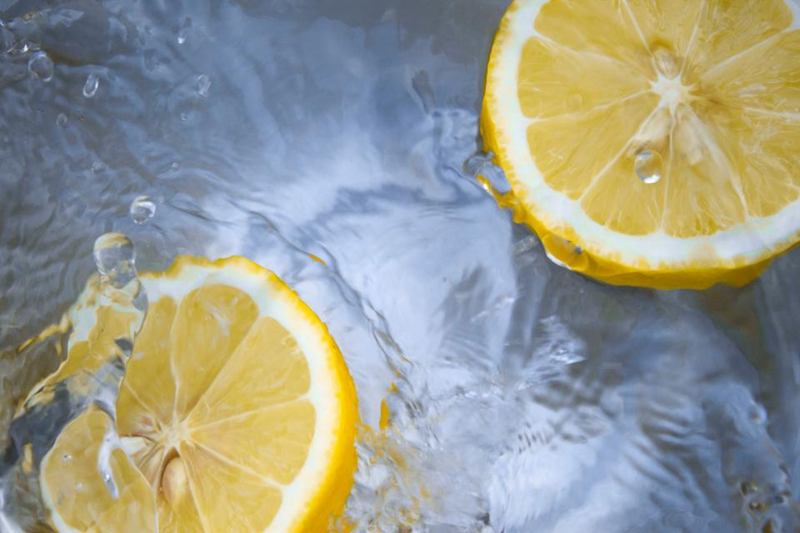
On white and light cotton or linen, lemon juice acts as a gentle bleach. The Swiss consumer protection foundation (SKS) lists lemon juice, vinegar, bicarbonate and soap among the tried-and-tested household remedies that can replace many specialist products.
- Drip fresh lemon juice directly onto the rinsed, still damp stain.
- Leave it for about a quarter of an hour, then rinse with cold water.
- Then lay or hang the damp item in the sun – light helps bleach out the remaining pigment.
On coloured fabrics, lemon juice can also lighten the dye itself, so test it first on an inside seam. More kitchen remedies are covered in our guide to removing stains with household remedies.
3. Ox-gall soap and stain remover for laundry
If a pink ring remains after rinsing, reach for ox-gall soap. Dampen the area, rub in the soap and work it in gently with your fingers. After about half an hour, wash the garment as usual at the temperature on the care label. How ox-gall soap works and where not to use it is explained in our guide to ox-gall soap.
For white tablecloths and napkins, an oxygen-based stain remover also works, used exactly as the packet says. Wool and silk usually cannot take it – stick to cold water and wool detergent for those.
4. The potato trick for red hands
After peeling and chopping beetroot, fingers and nails often stay pink. The pigment does not harm the skin, but it does not look great. To get your hands back to normal:
- Raw potato: cut a potato in half and rub the cut surface over your palms and fingers. The starch picks up some of the colour. Then wash with soap and lukewarm water.
- Lemon juice: rub a few drops into your hands, leave briefly and rinse. On chapped skin or small cuts lemon stings – better to skip it then.
- Nail brush for nails only: brush gently under the nails without scrubbing the skin, then apply hand cream.
Prevention is easiest: disposable gloves for peeling and grating. Or boil the beetroot unpeeled – the skin then slips off almost by itself.
5. Cleaning chopping boards and worktops
Wooden board: sprinkle coarse salt over the stained board and rub it in with half a lemon. After a short wait, rinse and leave the board to dry standing up in a bright spot. Wooden boards do not belong in the dishwasher and should not soak for long, or they swell and crack.
Plastic board: apply a paste of bicarbonate of soda and a little water, leave for a few minutes and scrub with a washing-up brush. A slight pink tinge often disappears after a few washes or a day in the light.
Worktops: wipe laminate, resin and stainless steel at once with warm water and washing-up liquid. Stubborn marks come off with bicarbonate paste and a soft sponge. On marble, limestone and other acid-sensitive natural stone, lemon and vinegar are off-limits: acid roughens the surface and leaves dull patches. Wipe up beetroot juice there immediately.
Common mistakes with beetroot
- Starting with hot water: heat can set the pigment. Always start cold.
- Rubbing hard: the stain spreads and the fibres fray. Dabbing is gentler.
- Tumble drying too soon: a shadow that goes through the heat often stays for good.
- Acid on natural stone: lemon removes the colour but leaves dull etch marks on marble.
Berry pigments behave in a similar way – see blueberry stains.
Frequently asked questions
Do beetroot stains come out in the wash by themselves?
On cotton, fresh stains often come out with a cold rinse and a normal wash. Dried stains usually need pre-treating with ox-gall soap or, on whites, with lemon juice or an oxygen-based stain remover.
Why should I not wash beetroot stains in hot water?
Heat can set the pigment in the fabric. Rinse cold first and only wash afterwards.
How do I get red hands clean after peeling beetroot?
Rub them with half a raw potato or a little lemon juice, then wash with soap. Skip the lemon on broken skin. Wearing gloves while peeling avoids the problem altogether.
Can I remove beetroot stains from marble with lemon?
No. Acid attacks calcareous stone such as marble and leaves dull patches. Wipe the juice off immediately with soapy water and treat any remaining mark with a bicarbonate paste.
Thanks for your feedback! Feel free to share the guide.
Thanks! What was missing? Drop us a line – we will improve the guide. WhatsApp