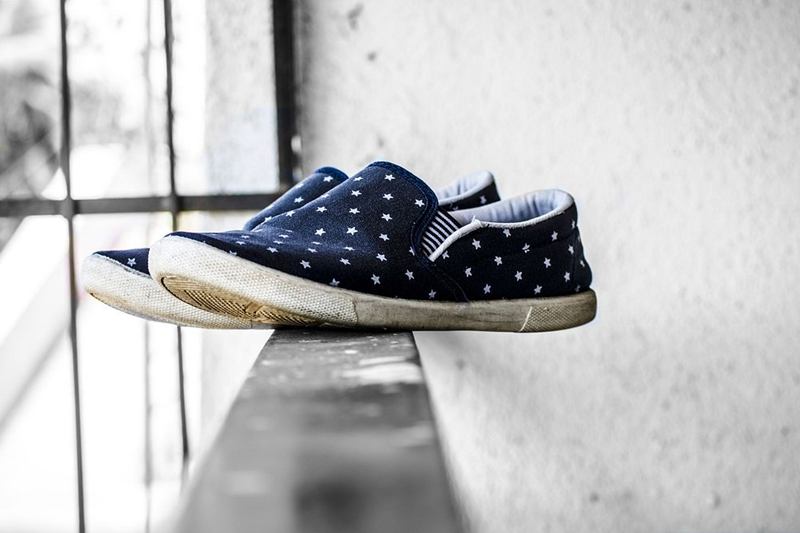
Your shoes are clean, yet there's an unpleasant smell when you take them off? The problem usually lies right under your heel. If you want to clean insoles properly, start by checking the material: fabric and foam can handle soap and water, while leather insoles and orthotics need gentler treatment.
These inserts are in direct contact with your feet and soak up most of the sweat. Take them out and clean them regularly, and your shoes will smell far fresher while the insoles last longer. Here's how to do it step by step.
Why insoles start to smell so quickly
Feet sweat, even when you barely notice it. The sweat soaks into the insole along with dead skin cells. Bacteria break both down and produce the typical odour. Because the insole lies flat at the bottom of the shoe, it dries slowly there – an ideal breeding ground.
Signs that it's time for a clean: dark marks from the heel and toes, a musty smell as soon as you take them out, or a slightly sticky surface. For more on the causes and other remedies, see our guide Smelly shoes.
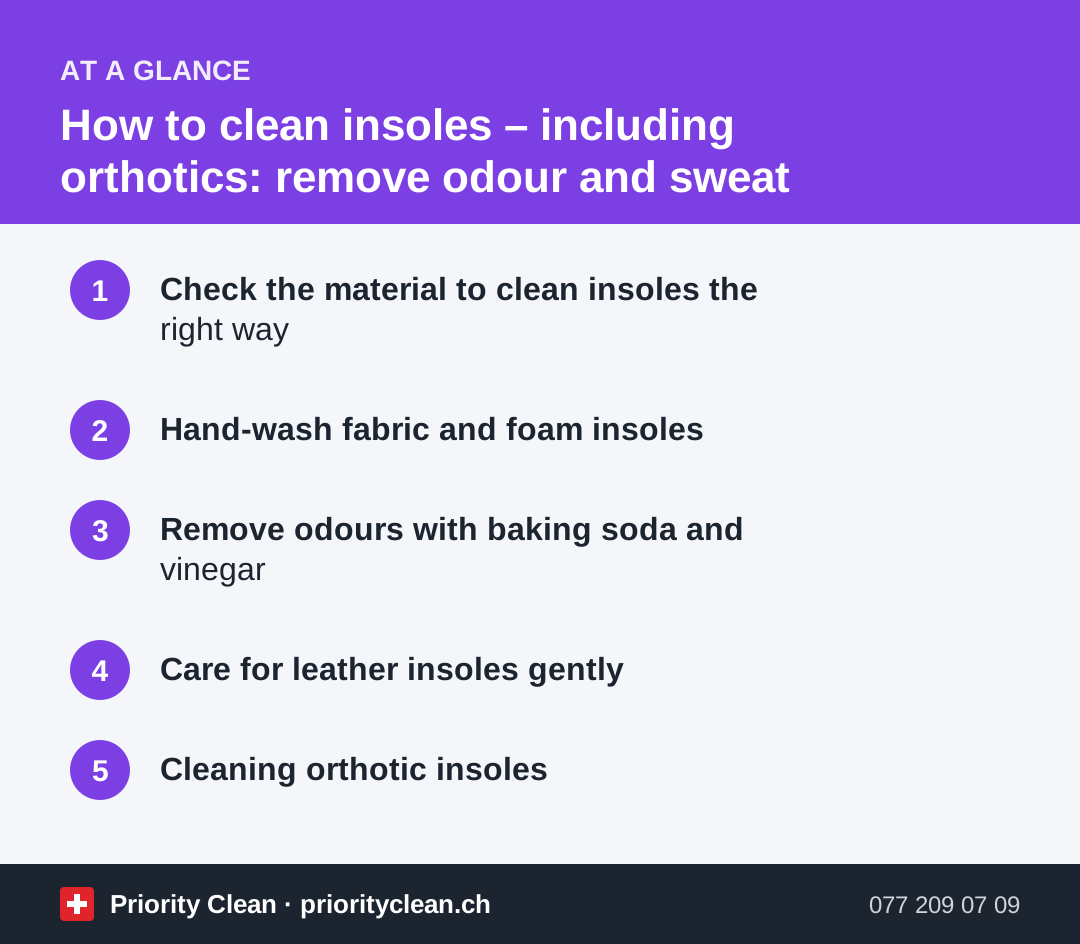
1. Check the material to clean insoles the right way
Before you start, look at the insole or its packaging. The right method depends on the material:
| Material | How to clean | Avoid |
|---|---|---|
| Fabric, terry, foam | Hand wash with a brush and soapy water | Hot water, tumble dryer |
| Gel, silicone | Wipe or rinse briefly with mild soap | Harsh cleaners |
| Leather | Wipe with a damp cloth, a little mild soap | Soaking, radiator |
| Cork, latex, felt | Wipe the surface, dry thoroughly | Soaking |
| Orthotic insoles | Wipe the top cover, follow the maker's advice | Soaking, heat, washing machine |
If in doubt: clean more gently and air them more often.
2. Hand-wash fabric and foam insoles
Most inserts from trainers and sports shoes are made of foam with a fabric cover. To clean them thoroughly:
- Take them out and tap off loose dirt.
- Fill a basin with lukewarm water and a little hand-wash detergent or mild soap.
- Scrub both sides with a soft brush or an old toothbrush, especially at the heel and toes.
- Rinse thoroughly with clean water.
- Don't wring them – press them between two towels instead.
- Leave them to dry flat in an airy spot until completely dry.
As with textiles bearing the hand-wash symbol: lukewarm water, no rubbing, no wringing. The details are in GINETEX's care-symbol index.
3. Remove odours with baking soda and vinegar
According to the Swiss consumer protection foundation, baking soda and vinegar are among the simple household remedies that can replace many special cleaners. There are two ways to use them on insoles:
- Dry (all materials): put the insole in a freezer bag or fabric bag, add a tablespoon of baking soda, shake and leave overnight. Tap it out thoroughly in the morning.
- As a paste (fabric and foam): mix baking soda with a little water into a paste, spread it on the surface, let it dry and brush it off. Then rinse briefly with clean water.
A small splash of vinegar in the final rinse water can reduce stubborn odours on fabric and foam insoles. Skip it for leather and orthotics.
4. Care for leather insoles gently
Leather absorbs moisture well but doesn't tolerate soaking. Wipe the surface with a well-wrung cloth and a little mild soap, then go over it again with a damp cloth without soap. Let the insole dry slowly at room temperature, never on the radiator or in the sun. If the leather feels brittle once completely dry, a little colourless leather care product helps. For leather care in general, see our guide Leather shoe care.
5. Cleaning orthotic insoles
Orthotic insoles are often custom-made and consist of several layers that are glued or heat-moulded. Water and heat can loosen the bond or change the shape – and with it, how well they work.
- Never soak them, and keep them out of the washing machine and tumble dryer.
- Wipe the surface: with a damp cloth and a little mild soap, then wipe again with clean water.
- Air-dry only, away from radiators, stoves and direct sunlight.
- Use disinfectant only if the specialist shop or manufacturer recommends it.
- Have wear checked: if the top cover is worn, the specialist shop can often replace it without making a whole new insole.
Above all, follow the care instructions you received with your orthotics. For questions about fit and effect, your orthopaedic specialist shop is the right place to ask.
Common mistakes
- Putting wet insoles back in: the moisture stays trapped and the smell returns quickly.
- Radiator or tumble dryer: foam shrinks, leather hardens, glued layers come apart.
- Soaking orthotic insoles: this can permanently change their shape and effect.
- Harsh cleaners: bleach and descaler have no place on insoles.
- Only cleaning the shoe: without a clean insole, even a freshly washed shoe soon smells again.
Frequently asked questions
Can you wash insoles in the washing machine?
Only if the manufacturer explicitly allows it, and then on a gentle cycle in a laundry bag. For most fabric and foam insoles, washing by hand with a brush and soapy water is gentler. Leather insoles and orthotics never go in the machine.
How do I clean orthotic insoles?
Wipe the surface with a damp cloth and a little mild soap, then let them air-dry. No soaking and no heat. Above all, follow the care instructions from your specialist shop.
What helps against smelly insoles?
Take them out and dry them regularly, then leave them overnight in a bag with baking soda. Fabric and foam insoles can also be hand-washed. If they still smell, it's time to replace them.
How long do insoles take to dry?
That depends on the material, thickness and room air. Allow at least a day for washed foam insoles, and only put them back in the shoe once they feel completely dry all the way through.
Thanks for your feedback! Feel free to share the guide.
Thanks! What was missing? Drop us a line – we will improve the guide. WhatsApp