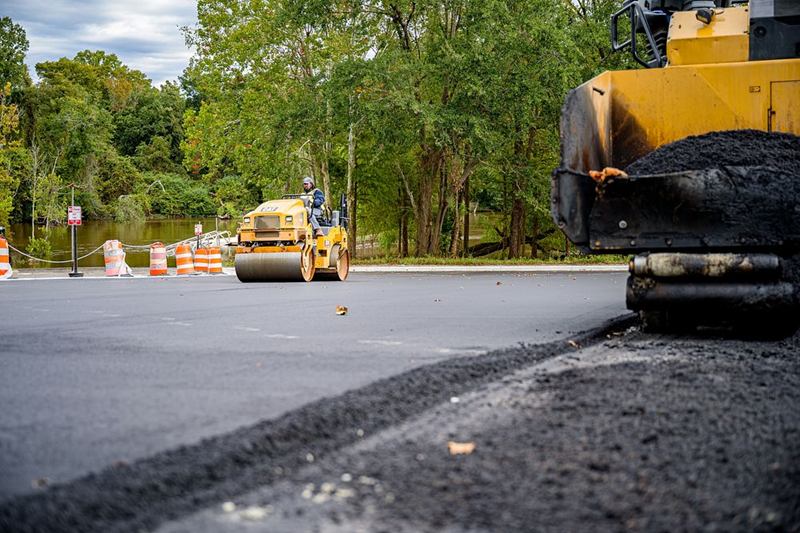
In summer the surface of freshly tarred roads softens, dark blobs lie on the beach, and suddenly black spots are stuck to a trouser hem, a sole or the ball of your foot. When you try to remove tar stains, you soon notice that water and soap achieve very little and rubbing only spreads the tar.
The principle is simple: tar is oily and can be loosened with fat. Then you wash the fat out. These five steps show how to get tar off clothes, shoes and skin without reaching for harsh products.
Why tar stains are so sticky
Tar and the bitumen used for road surfaces are thick, oily substances that do not dissolve in water. In the heat they soften and work their way into fibres, shoe treads and creases in the skin. Water alone therefore hardly shifts them. Fats and oils, on the other hand, soften tar so that it can be lifted off. What remains is a grease mark, which you treat like any other.
| Surface | Best method | Take care |
|---|---|---|
| Washable clothes | Chill, lift off, oil, ox-gall soap, wash | Do not rub, no tumble dryer |
| Delicate fabrics, wool, silk | Just lift off, then ask a dry cleaner | Do not experiment with solvents |
| Rubber sole | Scrape, oil, washing-up liquid | No sharp tools |
| Smooth leather | A little oil, wipe off straight away, then condition | Test on a hidden spot first |
| Skin, feet | Massage in cooking oil, wash with soap | Never petrol or thinners |
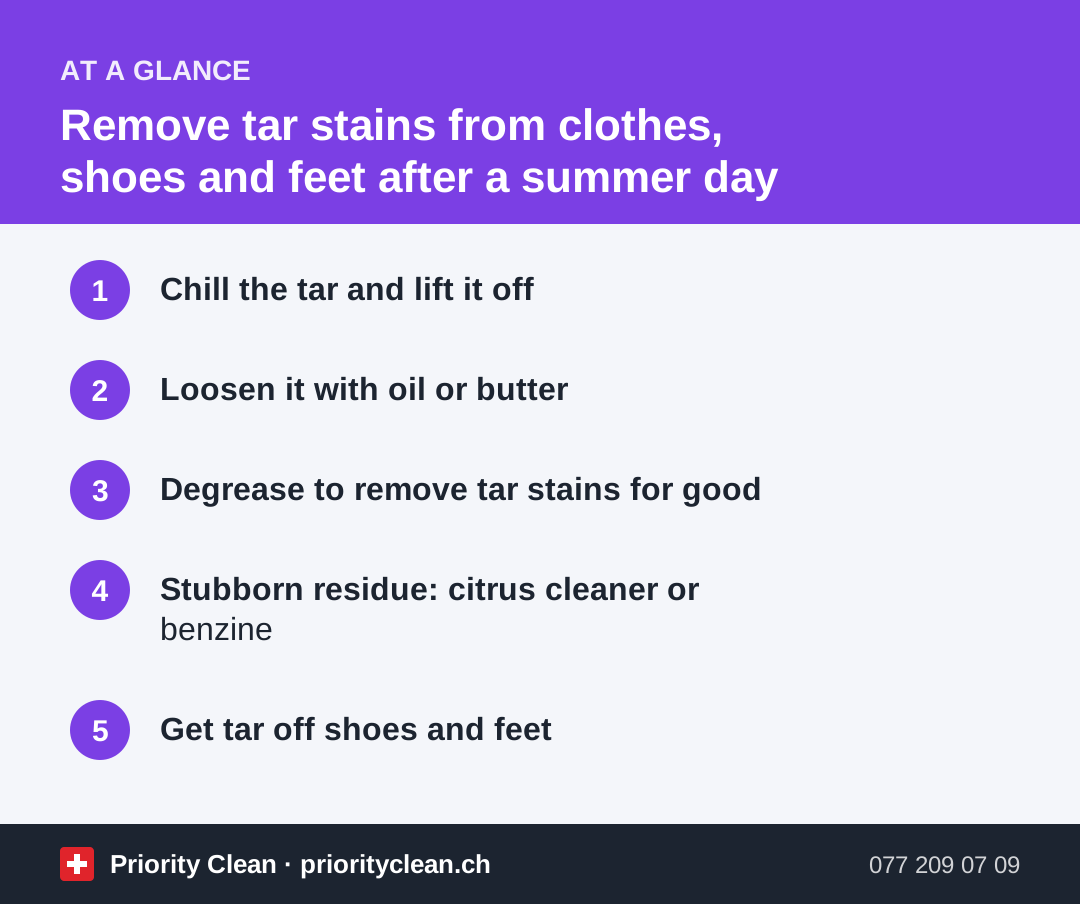
1. Chill the tar and lift it off
The less tar stays in the fabric, the smaller the stain. If the tar is still soft, place an ice pack on it or put the garment in a bag in the freezer for a short while. Once cold, the tar firms up and can be carefully lifted off with a blunt knife or a plastic scraper.
Work from the edge towards the centre and do not rub: smeared tar sinks deeper into the fibres and leaves a large grey shadow.
2. Loosen it with oil or butter
Put kitchen paper under the spot. Then apply a little cooking oil, butter or margarine to the tar and leave it for a few minutes. The tar softens and comes away from the fibre. Dab it off with kitchen paper, moving to a clean patch often, and repeat until no more black comes off onto the paper.
This method is also suitable for children's clothes, because it needs no solvents.
3. Degrease to remove tar stains for good
The tar stain has now become an oil stain. Rub the spot with ox-gall soap (Gallseife, sold in Swiss supermarkets) or work in washing-up liquid, leave it briefly and rinse with warm water if the fabric allows. Then wash the garment at the highest temperature the care label permits. How to deal with stubborn grease is explained in our guide How to remove grease stains.
The Swiss consumer foundation Stiftung für Konsumentenschutz counts plain soap, washing soda and alcohol among the proven household remedies that can replace many special products. For tar, oil plus a good degreaser is enough in most cases. If a shadow is still visible after washing, repeat steps two and three before the garment dries.
4. Stubborn residue: citrus cleaner or benzine
If some tar resists the oil, a citrus cleaner based on orange oil or cleaning benzine (sold in Switzerland as Waschbenzin) can help. Both are solvents and do not belong in your everyday routine:
- First test on a hidden spot whether the colour and material can take it.
- Put only a little on a white cloth and dab the stain from the outside in.
- Work outdoors or with the window wide open, no open flames, no smoking.
- Afterwards, wash the area with ox-gall soap and launder the garment as usual.
Cleaning benzine is highly flammable. Let soaked cloths air outdoors before you throw them away. According to the Federal Office for the Environment, leftover solvents are hazardous waste and should be returned to the shop or taken to a collection point of your commune – not poured down the sink.
5. Get tar off shoes and feet
Feet and hands: massage in cooking oil, butter or an oily sun lotion, leave it briefly and wipe off the loosened tar with a cloth. Then wash with warm water and soap. Petrol, benzine, thinners and nail polish remover have no place on the skin. If the skin is irritated or broken, or there is tar near the eyes, see a doctor or ask a pharmacist.
Rubber soles: scrape the worst out of the tread with a wooden stick, loosen the rest with oil and wash with soapy water and a brush. Smooth leather: only a little oil, wipe it off immediately and then treat the leather with a conditioner. Test suede and canvas shoes on a hidden spot first.
On a bike, tar often comes together with chain oil; the approach is similar to our guide How to remove bike oil stains.
The most common mistakes
- Rubbing: the tar spreads and sinks deeper.
- Going straight for the solvent: oil is usually enough and gentler.
- Forgetting the oil mark: without degreasing, a dark ring remains.
- Petrol on the skin: irritating and dangerous – cooking oil does the job.
- Tumble drying before checking: heat sets any residue for good.
Similarly sticky cases are covered in our guide How to remove resin.
Frequently asked questions
Will tar come out in the washing machine?
Rarely on its own. Tar does not dissolve in water and can transfer to other laundry in the drum. Loosen it with oil first and wash the oil out with ox-gall soap before the garment goes into the machine.
What helps with tar on your feet?
Massage in cooking oil, butter or an oily sun lotion, leave it briefly and wipe it off. Then wash with water and soap. Never use petrol, benzine or thinners on the skin.
Can I use benzine on tar stains?
Only as a last resort and only on fabrics that pass a spot test: sparingly, outdoors or with the window open, and away from open flames. It is highly flammable and belongs in its original packaging, out of children's reach.
Can old, dried-in tar stains still be removed?
Often, yes, but it takes more patience. Leave the oil to work for longer and repeat loosening and degreasing several times. For delicate or valuable items, ask a dry cleaner.
Thanks for your feedback! Feel free to share the guide.
Thanks! What was missing? Drop us a line – we will improve the guide. WhatsApp