The nappy has leaked, the baby vest has turned yellow and the dog has left a little present on the rug: it happens in every home with a baby or a pet. To deal with poo stains, you don't need harsh products, just the right order of steps: lift off the solids, rinse in cold water, pre-treat, then wash.
In summer, there is also a helper that costs nothing: the sun. These five steps will get baby clothes, cloth nappies, carpets and sofas clean and hygienic again, whether you wash at home or in the shared laundry room.
Why faeces stains are so stubborn
Faeces contain water, proteins, fats, bacteria and pigments from bile. That mixture is exactly what makes them tricky: the proteins coagulate with heat and then bond firmly to the fibre, the fats need surfactants, and the yellow to greenish pigments leave a shadow behind even when the stain itself has gone.
Stains from breastfed babies are especially stubborn. Their poo is runny, bright yellow and soaks quickly into cotton. Once solids are introduced, and with pet mess, plant pigments and more fat come into play. The longer a stain dries, the harder it is to shift.
| Stain | What's special | Key step |
|---|---|---|
| Breastfed baby | bright yellow, runny | rinse cold, dry in the sun |
| Baby on solids | pigments from vegetables | gall soap, enzyme detergent |
| Dog or cat on the carpet | fat, odour, germs | gloves, lift off, blot |
| Dried in | protein already set | long cold soak |
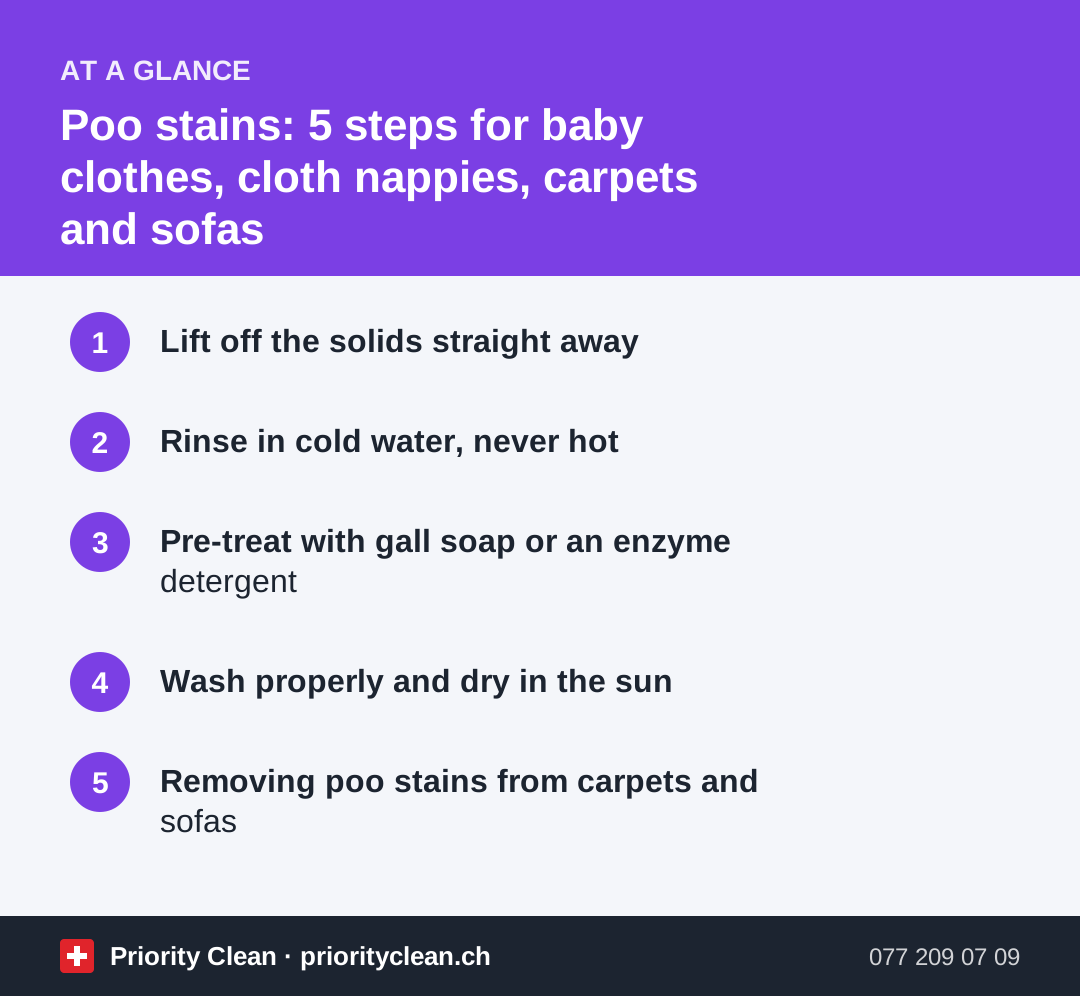
1. Lift off the solids straight away
Remove solids with a spoon, a spatula or a piece of cardboard. Work from the edge towards the centre so the stain doesn't spread. Don't wipe with paper – that only pushes the faeces deeper into the fibre. With cloth nappies and nappy covers, tip the solids straight into the toilet.
If you can't treat the stain right away, put the item in a closed bucket of cold water. That way nothing dries on and the smell stays contained.
2. Rinse in cold water, never hot
Hold the back of the fabric under the cold tap at the washbasin, so the water flushes the faeces out of the fibre rather than through it. Keep rinsing until the water runs almost clear.
Warm or hot water is off-limits at this stage: it makes the proteins coagulate and the stain sets. Only raise the temperature once most of it is out.
3. Pre-treat with gall soap or an enzyme detergent
Simple products are enough for the residue. The Swiss consumer foundation Stiftung für Konsumentenschutz lists plain soap, washing soda and bicarbonate of soda among its tried-and-tested household remedies that can replace many specialist products. For faeces stains, these work best:
- Gall soap: wet the bar, rub it directly onto the damp stain, leave it briefly and work it in with a soft brush or your fingers. This classic stain soap is good at dissolving fat and pigments.
- Biological detergent: most powder and liquid detergents contain enzymes that break down protein. Massage a little liquid detergent into the stain and leave for 15 to 30 minutes.
- Bicarbonate of soda: mixed with a little water into a paste, it helps against odours on carpets and sofas.
Enzyme products damage wool and silk. For these fibres, use a wool detergent and cold water only. Test every product on an inconspicuous spot first.
4. Wash properly and dry in the sun
Then the item goes into the normal wash at the highest temperature the care label allows. Cotton baby vests, cloth nappies and bedding can usually take 60 °C. That makes particular sense when someone in the household has diarrhoea. Our guide to washing baby clothes covers temperatures and detergents in more detail.
Check the item before drying. If a yellow shadow remains, hang it up wet in the sun. UV light often bleaches the pigments from baby poo within a few hours – especially reliably on whites. Turn coloured clothes inside out so the colours don't fade. If there's no sun, pre-treat again with gall soap and wash once more. Keep it out of the tumble dryer while any stain is visible: the heat will set it.
5. Removing poo stains from carpets and sofas
Carpets, sofas and car-seat covers that can't be removed are cleaned in place. Wear disposable gloves, particularly with pet mess.
- Lift off solids with a spatula and kitchen paper and put them in a bag for the bin.
- Dampen with cold water and a squirt of liquid detergent – don't soak it.
- Blot with a light-coloured cloth from the outside in; don't rub.
- Blot with clean water until no more soap comes up in the cloth.
- Blot dry and air the room well. Against odours, sprinkle a thin layer of bicarbonate of soda, let it dry and vacuum it up.
Take care with cat faeces: the parasite that causes toxoplasmosis is shed in cats' faeces. The Federal Office of Public Health points out that pregnant cat owners should pay particular attention to hand hygiene. During pregnancy, leave this job to someone else if you can. For getting odours out of textiles, see also our guide to removing urine stains.
How to get the whole flat clean again after a stomach bug is explained in our guide on cleaning your home after norovirus.
The most common mistakes
- Rinsing with hot water: the protein coagulates and the stain becomes almost impossible to dissolve.
- Rubbing instead of lifting: the faeces work deeper into the fibre and spread over a larger area.
- Tumble drying too soon: any residue that didn't come out in the wash becomes permanent with heat.
- Bleach on colours: it fades fabrics and doesn't replace pre-treatment.
- Steam cleaner on the carpet: hot steam sets protein stains in the pile instead of dissolving them.
Frequently asked questions
How do I get yellow poo stains out of baby clothes?
Lift off the solids, rinse cold from the back, pre-treat with gall soap and wash as normal. If a yellow shadow remains, hang the item up wet in the sun: UV light usually removes the pigments completely.
Can I wash poo stains out with hot water?
Not at first. Hot water makes the proteins in faeces coagulate and sets the stain. Rinse cold first, then wash at the temperature the care label allows.
Is normal detergent enough, or do I need a stain remover?
A biological detergent with enzymes, together with gall soap for pre-treating, is usually enough. A special stain remover is rarely needed. Avoid enzyme products on wool and silk.
How do I get dog poo out of a carpet?
Lift it off wearing gloves, dampen with cold water and a little liquid detergent, blot from the outside in, blot again with clean water and let it dry thoroughly. Bicarbonate of soda helps with the smell.
Thanks for your feedback! Feel free to share the guide.
Thanks! What was missing? Drop us a line – we will improve the guide. WhatsApp