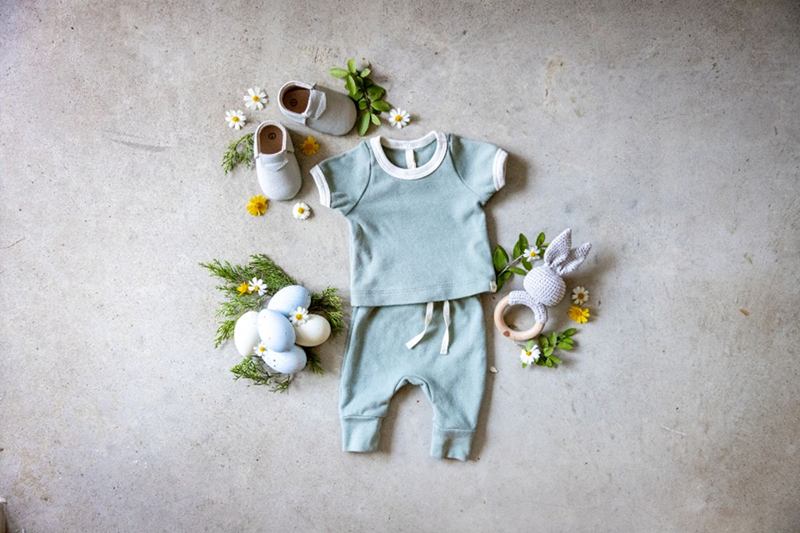
The new blouse has just been bought, the T-shirt has just arrived in the post – and you would love to put it on straight away. Still, washing new clothes before they touch your skin for the first time is worth it. Between the factory and your wardrobe lie transport, warehouses, the shop and often several fittings.
And it is not only about clothes: new towels and bedding also benefit from a first wash. Here is what that wash actually does, which items to wash first and when you can skip it.
Why washing new clothes before wearing makes sense
Finishes and residues: many textiles are treated during manufacturing to keep them smooth, crease-resistant or stable and to help them survive long journeys. These finishes are often behind the typical "new" smell and the slightly stiff feel. One wash removes a good part of them.
Dyes: new textiles often release excess dye in the first few washes. You can see it in the water, but also on your skin or a light-coloured sofa. Some dyes can cause skin irritation or contact allergies in sensitive people.
Hygiene after fittings: in a shop, clothes may have been tried on by several people, and with online orders, returns go back on sale too. That is usually harmless, but a wash removes any doubt.
| New textile | Wash before first use? | How |
|---|---|---|
| T-shirts, shirts, blouses, underwear | Yes | As per the label, dark colours separately |
| Jeans and strong colours | Yes, separately | Inside out, cold to 30 °C, alone or with similar items |
| Towels | Yes, ideally twice | Sorted by colour, no fabric softener |
| Bedding | Yes | At 40–60 °C, depending on the label |
| Baby clothes | Definitely | Fragrance-free detergent, extra rinse |
| Wool jumpers, coats, suits | Usually not necessary | Air out, then care for them as per the label |
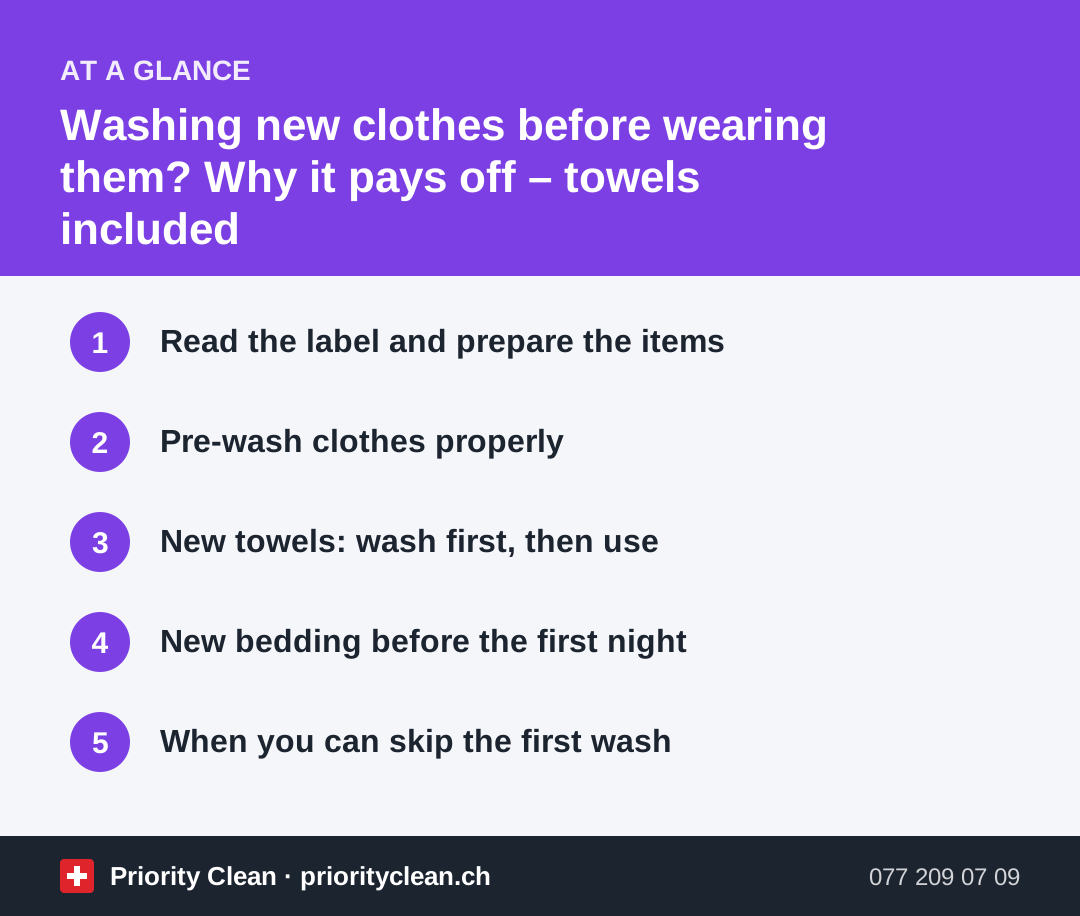
1. Read the label and prepare the items
Before a new piece goes in the machine, check the care label. The number in the wash tub is the maximum temperature; bars underneath indicate gentler programmes. The GINETEX care symbols index explains what each symbol means, and our guide to understanding laundry symbols goes into more detail.
Remove price tags, plastic tag fasteners and cardboard strips, close zips and buttons and turn printed or dark items inside out. Check the pockets: sometimes there is still a sachet of desiccant or a spare button inside.
2. Pre-wash clothes properly
For the first wash, a normal programme at the temperature you would use later is enough – 30 or 40 °C for most everyday clothes. EnergieSchweiz, the Swiss federal energy programme, recommends favouring low temperatures, eco programmes and full loads. So it is best to collect new items until you have a full load of similar colours.
Wash strongly coloured pieces such as dark jeans or red and black T-shirts separately or only with similar colours for the first two or three washes. That keeps your light laundry light. Home remedies such as salt or vinegar in the wash are no reliable protection against dye bleeding. If something has already turned pink, our guide to rescuing discoloured laundry can help.
3. New towels: wash first, then use
New terry towels often barely absorb anything, because they were given a soft, fluffy finish at the factory. Only after a few washes do they really soak up water. So wash them before first use – twice if possible – at the temperature on the label, usually 60 °C for white or light cotton.
New coloured towels release a lot of dye and shed plenty of lint at first. Wash them separately from other laundry and clean the tumble dryer's lint filter afterwards. Skip fabric softener: it coats the loops and makes the towel less absorbent. Our guide to keeping towels soft shows how to manage without it.
4. New bedding before the first night
New bedding should also go through the machine before the first night. It becomes softer, loses the packaging smell and, if it is going to shrink a little, does so in the first wash – better before you make the bed than after. Wash cotton bedding at 40 to 60 °C, depending on the label.
For people with a house dust mite allergy, aha! Swiss Allergy Centre recommends washing pillowcases, duvet covers and pyjamas at 60 °C. So when buying bedding, choose sets that can take that temperature. How often to change it afterwards is covered in our guide on how often to wash bed sheets.
5. When you can skip the first wash
Not every new item needs washing straight away. Coats, blazers, suits and items with the professional cleaning symbol are rarely worn directly against the skin. Airing them overnight on the balcony or by an open window is enough.
Fine wool jumpers and cashmere do not need to go in the machine before first wear either: every wash puts strain on the fibres. If you have sensitive skin, wear a cotton T-shirt underneath. For raw denim jeans, some manufacturers recommend deliberately delaying the first wash – in that case, follow their instructions.
Common mistakes when washing new clothes
- New red with white: excess dye stains light laundry in the very first wash.
- A first wash that is too hot: an item meant for 30 °C can shrink or fade at 60 °C.
- Fabric softener for new towels: it does not make them softer, only less absorbent.
- Leaving tags attached: cardboard strips and plastic fasteners can come loose and block the machine.
Frequently asked questions
Do you need to wash new clothes before wearing them?
It is recommended above all for items worn next to the skin, such as T-shirts, underwear and bedding. One wash removes residues from manufacturing and transport plus excess dye. For coats and wool, airing is usually enough.
Why do new clothes smell of chemicals?
The smell usually comes from finishes, dyes and packaging. As a rule, it disappears after the first wash or a thorough airing. If it lingers, wash the item a second time.
How many times should you wash new towels before use?
One or two washes without fabric softener are ideal; after that they absorb much better. Wash coloured towels separately the first few times, as they bleed and shed lint.
Can I wash new clothes with the rest of my laundry?
Light-coloured items, yes, if temperature and programme match. Strongly coloured new pieces are better washed alone or only with similar colours the first few times.
Thanks for your feedback! Feel free to share the guide.
Thanks! What was missing? Drop us a line – we will improve the guide. WhatsApp