The machine beeps, you take out your favourite jumper – and it would now fit your godchild. Shrunk clothes are annoying, but not always a lost cause. Cotton can often be stretched back a good deal; with wool, it depends on whether it has just shrunk or has already felted.
Five methods show how to rescue shrunken items with everyday products and patience, where the limits lie, and how the care label helps stop it happening again.
Why clothes shrink
Not all fibres shrink for the same reason. Once you know the cause, you also know which rescue makes sense.
Cotton, linen and viscose are stretched during manufacture. Water, heat and movement in the washing machine and tumble dryer let the fibres return to their original, shorter form. That is why new clothes often shrink a little in the first few washes, and a hot tumble-dryer programme makes it worse.
Wool and other animal fibres such as cashmere or alpaca have a scaly surface. With heat, friction and sudden temperature changes, the scales hook into one another. The fabric becomes denser, thicker and smaller: the wool felts. This process can at best be partly reversed.
Synthetics such as polyester rarely shrink, but they can warp or develop shiny patches with too much heat.
| Material | Typical cause | Chance of rescue |
|---|---|---|
| Cotton, linen | Hot wash, tumble dryer | Good – stretch while damp |
| Viscose | Water and movement | Partial – stretch very carefully |
| Wool, cashmere | Heat, friction, temperature shock | Slightly shrunk: partial; heavily felted: hardly any |
| Polyester, blends | Too much heat | Limited – warped rather than shrunk |
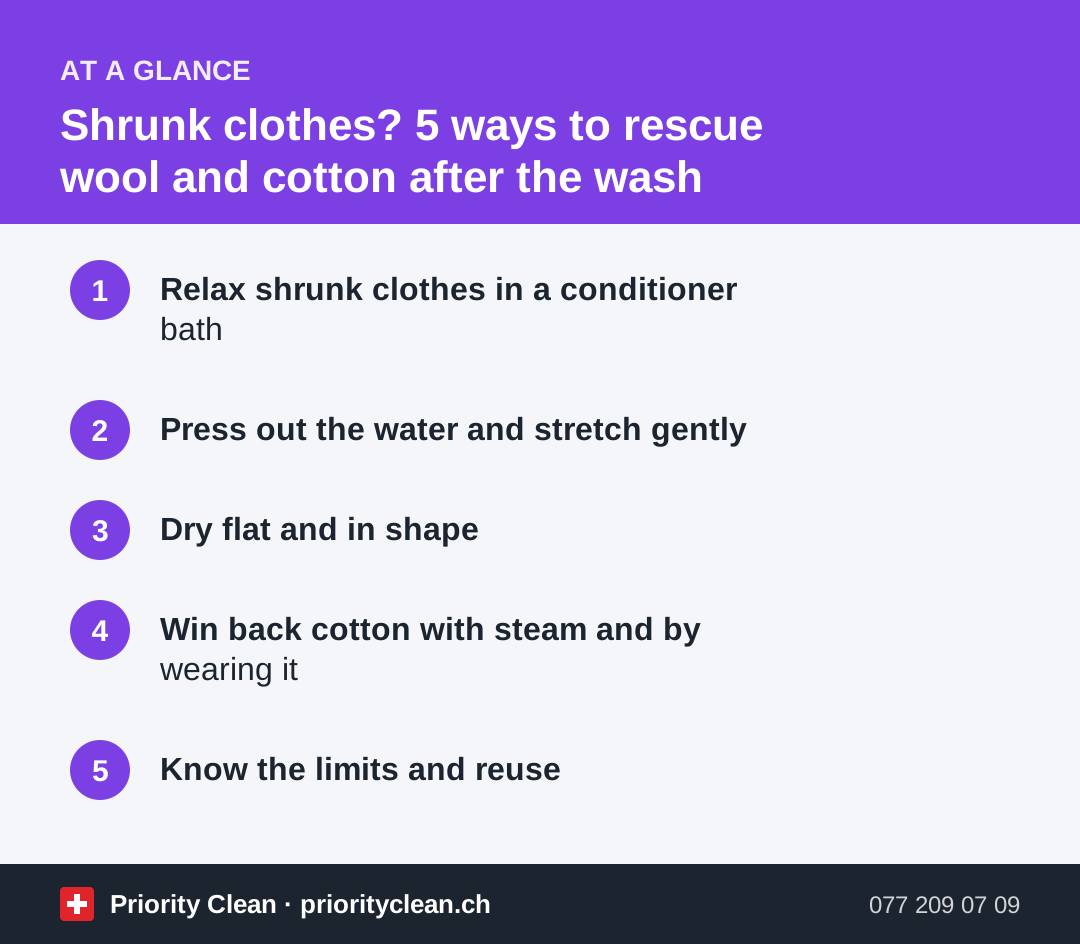
1. Relax shrunk clothes in a conditioner bath
This is the best-known method and works for both wool and cotton. Hair conditioner or a mild baby shampoo makes the fibres more supple, so they stretch more easily.
- Fill a basin or the washbasin with lukewarm water – not hot, or the wool will felt further.
- Dissolve one or two tablespoons of conditioner or baby shampoo in it.
- Submerge the garment completely and leave it to soak for a while, about 20 to 30 minutes.
- Don't rub or knead it; just press it gently now and then.
Then carefully press the water out. There is no need to rinse; the conditioner residue helps with stretching.
2. Press out the water and stretch gently
Wet wool is heavy and fragile. Lift it out of the water with both hands, without letting it hang.
- Never wring: press the water out with flat hands.
- Roll it in a bath towel: lay the item flat on a large towel, roll both up together and press down. It stays damp but no longer drips.
- Stretch in stages: gently pull the fabric lengthways and widthways, section by section – sleeves, body, cuffs. Several small pulls are better than one strong one, otherwise seams or stitches give way.
Keep comparing it with your template or a similar garment.
3. Dry flat and in shape
Drying decides whether the size you have won back stays:
- Lay the stretched item flat on a dry bath towel or a mesh drying rack.
- Pull it into the shape you want and, if necessary, weigh the edges down with heavy, clean objects.
- Turn it now and then and stretch it again while it is still damp.
- Let it dry away from radiators, direct sunlight and the tumble dryer.
Never hang wool up: the weight of the water pulls it out of shape. For gentle care, read our guide on washing a wool jumper.
4. Win back cotton with steam and by wearing it
Shrunk cotton responds well to moisture and warmth while being stretched. These tricks add to the soak:
- Steam ironing: iron the still slightly damp T-shirt or shirt with steam, pulling gently in the direction you want with your free hand. Choose the temperature according to the care label.
- Wear it damp: wear slightly damp jeans or T-shirts for a while. Your body stretches the fabric evenly.
- Targeted stretching: shortened sleeves or a hem that has ridden up can often be stretched back well while damp.
Be careful with viscose: it is less tear-resistant when wet. Stretch it only slightly and, if in doubt, ask a dry cleaner.
5. Know the limits and reuse
Heavily felted wool feels thick, stiff and dense, and the individual stitches are barely visible. Even the best soak will not bring it back to its old size. Be realistic: you often win back part of the size, not all of it.
A shrunk jumper does not have to go in the bin, though. It may fit a child or a smaller person. Felted wool is great for crafts, cushion covers or pot holders. Items in good condition can go to a clothing collection.
How to stop clothes shrinking
The care label tells you what a garment can take. GINETEX explains that the number in the wash tub is the maximum washing temperature, and bars underneath call for a gentler cycle. For wool, the GINETEX consumer site advises filling the drum no more than a third and not rubbing or wringing when hand washing. Our guide to laundry symbols explains them in detail.
Low temperatures are gentle on fibres. The Swiss energy programme EnergieSchweiz recommends washing at 20 to 30 °C on eco programmes anyway. Our guide to washing at 20 degrees shows how well that works.
The most common mistakes
- Hot water to fix it: heat makes wool felt further instead of loosening it.
- Wringing: this distorts the fabric and can damage fibres and seams.
- Pulling too hard: stitches and seams tear faster than you think.
- Drying on the radiator: the heat shrinks the item all over again.
- Wool in the tumble dryer: without explicit approval on the label, this is the most common cause of felted jumpers.
Frequently asked questions
Can you make shrunk clothes bigger again?
Often partly. Cotton stretches back well when damp. With wool it works as long as it has shrunk only a little and is not heavily felted.
Why does conditioner help with shrunk wool?
Conditioner makes the fibres more supple, so they stretch more easily. What matters is lukewarm water, no rubbing, and drying flat in shape afterwards.
Can clothes shrink at 30 degrees?
Less often, but it can happen – especially wool, if there is too much movement or the tumble dryer follows. The care label is what counts.
Can felted wool still be saved?
Heavily felted wool will not get its old size and texture back. You can still reuse it for a child, for crafts or for cushion covers.
Thanks for your feedback! Feel free to share the guide.
Thanks! What was missing? Drop us a line – we will improve the guide. WhatsApp