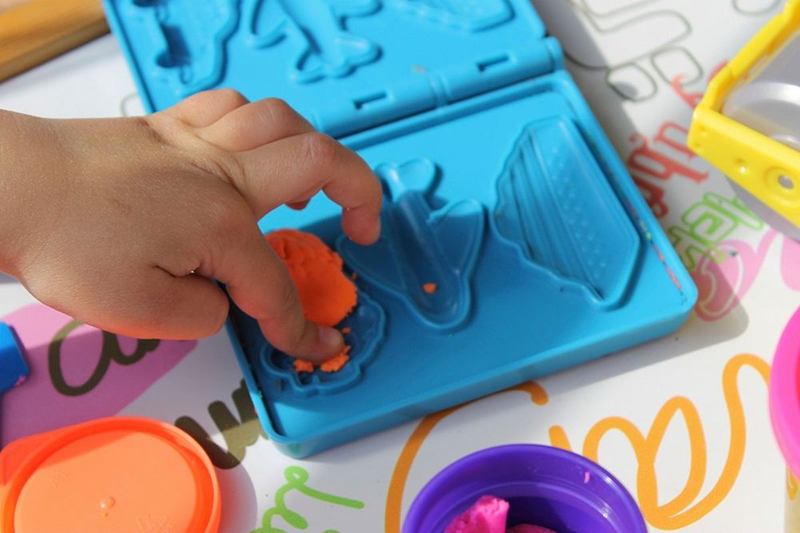
A jar of brush water tips over, hands covered in finger paint land on a jumper, and blue and red blobs dry on the table. When it comes to watercolour stains, the odds are usually on your side: most children's paints dissolve in water, provided you tackle them in the right order.
Whether it's a paint box, finger paint or poster paint brought home from kindergarten, these five steps show how to get colour out of clothes and off the table, floor and wall without damaging anything.
Why watercolour stains usually come out
Paint-box watercolours, finger paints and most school paints are made of pigments and a binder that dissolves in water. Unlike acrylic or emulsion paints, they do not form a waterproof film as they dry. That is why the stains can still be loosened later on.
There are still challenges. The pigments are very fine and settle deep into cotton fibres, wood pores and wallpaper. Strong colours such as red, blue and purple often leave a shadow. And if a stain is washed hot or tumble-dried before it has completely gone, it can set.
| Type of paint | Characteristic | What to do |
|---|---|---|
| Watercolour (paint box) | Thin, strongly colouring, water-soluble | Blot, rinse cold, ox-gall soap |
| Finger paint | Thick, pasty, usually washable | Let dry, brush off, wash out |
| Poster paint or gouache | Opaque, water-soluble | As for watercolour, may need several rounds |
| Acrylic paint | Waterproof once dry | Act immediately, see remove paint splatter |
If in doubt, check the paint packaging: the word "washable" is a very good sign.
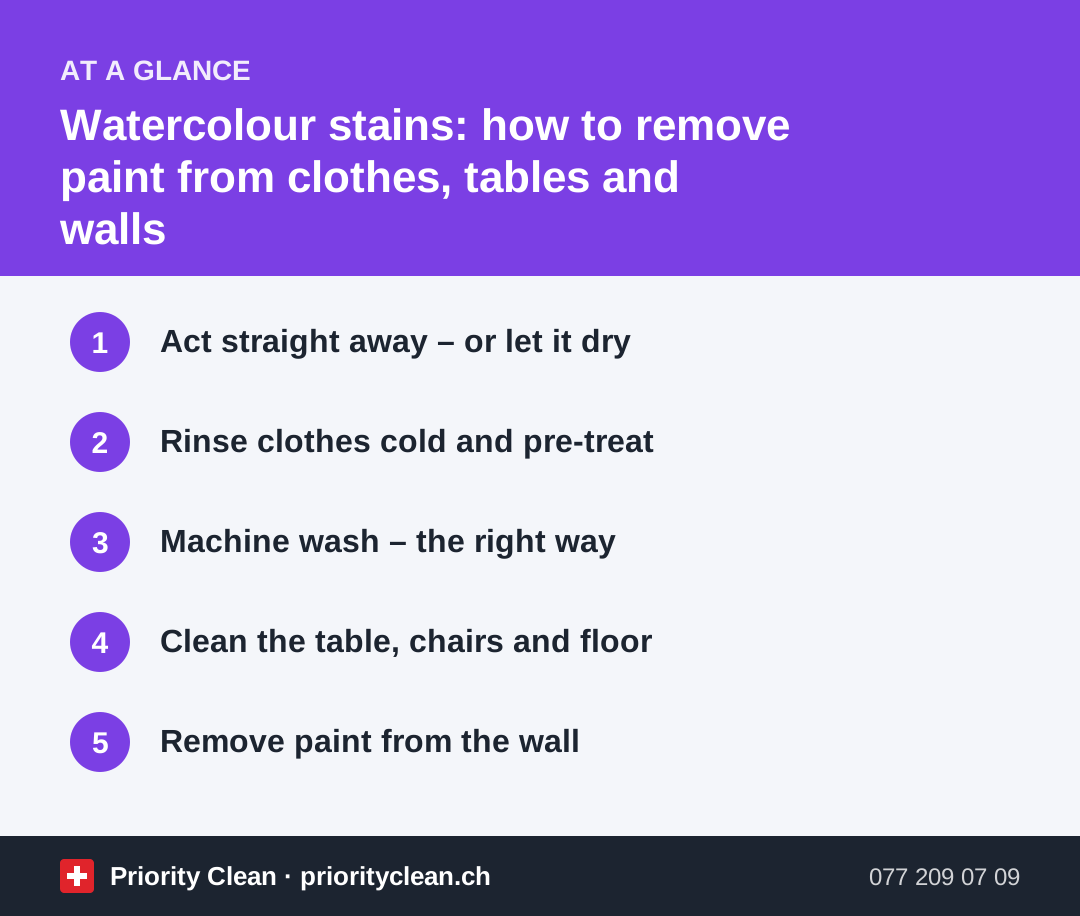
1. Act straight away – or let it dry
With runny watercolour, the rule is simple: the sooner, the better. Blot fresh paint with kitchen roll or a light-coloured cloth without rubbing. Rubbing spreads the pigment and pushes it deeper into the fibres.
With thick finger paint, waiting is often better. Fresh, it smears when you wipe it; once dry, most of it crumbles away and can be brushed off with a dry brush. Only then does water come into play.
2. Rinse clothes cold and pre-treat
- Turn the garment inside out and hold the stain under cold running water until hardly any colour comes out.
- Moisten ox-gall soap or curd soap and rub it into the stain. Curd soap is one of the simple household remedies that the Swiss consumer protection foundation (SKS) recommends instead of many specialist products.
- Leave the soap to work for 15 to 30 minutes, gently work the fabric between your fingers, then rinse cold again.
- Repeat if any traces remain. You can read more about this classic in our guide to ox-gall soap.
On coloured clothes, always test soap or stain remover on an inconspicuous spot first, such as an inside seam.
3. Machine wash – the right way
Once the stain has largely gone, wash the garment as usual. The care label shows the permitted temperature: the number in the wash tub is the maximum. For hand washing, GINETEX, the care-label association, recommends no more than 40 °C, without rubbing or wringing.
After washing, check the stain in daylight before the garment goes into the tumble dryer. If a shadow remains, pre-treat it again and let the item air-dry. Our guide to stains on kids' clothes covers the most common marks in detail.
4. Clean the table, chairs and floor
On smooth, sealed surfaces such as coated tables, tiles or laminate, water-based paint usually comes off easily:
- Fresh marks: wipe up with a damp microfibre cloth, rinsing it often.
- Dried marks: apply warm water with a drop of washing-up liquid, let it soften, then wipe.
- Grout and grooves: scrub with an old toothbrush and soapy water.
- Stubborn shadows on smooth surfaces: dab with a cloth lightly moistened with methylated spirit. Test on a hidden area first, and avoid varnished or oiled wood.
Untreated wood soaks up paint. Only careful wiping with very little water helps here; for deep stains, light sanding by a professional or according to the manufacturer's instructions. A wipe-clean mat for painting sessions saves you the trouble.
5. Remove paint from the wall
Interior walls are often painted with matt emulsion. It tolerates little water and no pressure, otherwise shiny or lighter patches appear.
- Blot fresh paint with a dry cloth.
- Barely dampen a microfibre cloth with lukewarm water and dab the stain from the outside in.
- If traces remain, use a little soapy water, then dab with clean water and let it dry.
- Use a melamine sponge only with great care and after testing on a hidden spot: it lightly sands the surface.
Common mistakes with watercolour stains
- Rinsing hot: hot water can set paint residue. Always start cold.
- Rubbing instead of blotting: the stain grows and sinks in deeper.
- Tumble-drying too soon: heat turns a faint shadow into a permanent mark.
- Scrubbing the wall: matt paint is left with shiny patches that are often more noticeable than the stain.
- Treating acrylic like watercolour: dried acrylic no longer dissolves in water. Wax crayons also need a different approach – see remove wax crayon.
Frequently asked questions
Does watercolour come out in the wash on its own?
Often, yes, especially children's paints labelled washable. Strong colours, however, frequently leave a shadow. So rinse the stain cold first and pre-treat it with ox-gall soap.
What helps with dried finger paint?
First brush the dried paint off dry. Then rinse the fabric cold from the back, rub in ox-gall soap and leave it to work before washing.
How do I get watercolour off a wall?
Dab the stain with a barely damp microfibre cloth, adding a little soapy water if needed. Don't scrub, or matt wall paint will develop shiny patches.
Is watercolour dangerous if a child puts it in their mouth?
Children's paints are made for children to use, but paint does not belong in the mouth. If you are unsure whether something harmful has been swallowed, call Tox Info Suisse on 145. This guide is not a substitute for medical advice.
Thanks for your feedback! Feel free to share the guide.
Thanks! What was missing? Drop us a line – we will improve the guide. WhatsApp