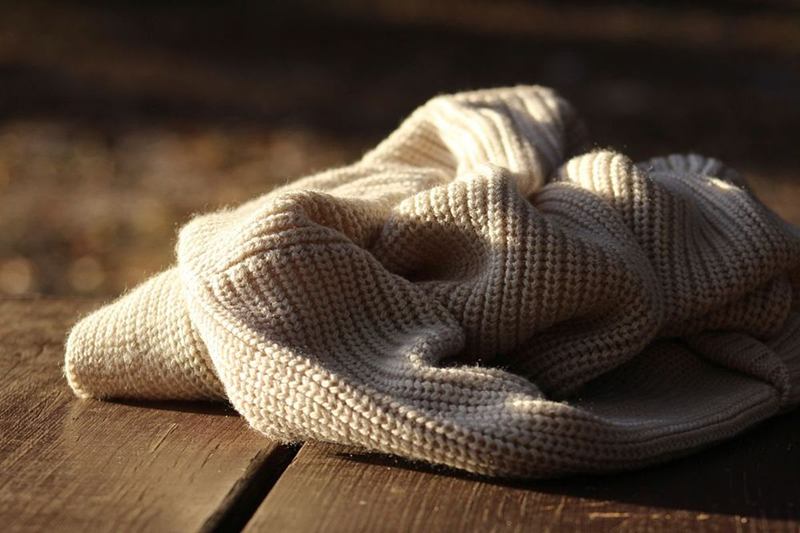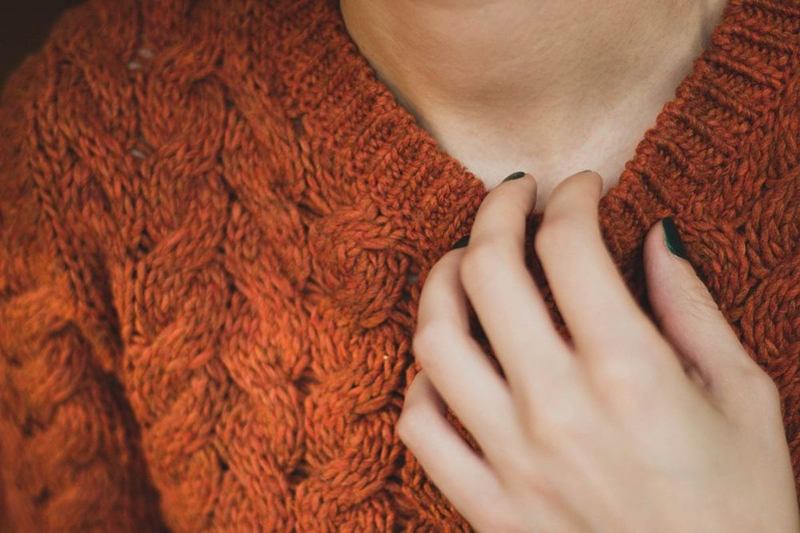
The jumper is only a few months old and already looks tired at the sleeves, the dark winter coat is covered in pale fluff, and the sofa is bobbling exactly where everyone always sits. To remove bobbles, you don't need new clothes, just the right tool and a little patience.
At the end of April, jumpers and coats go back into the wardrobe, so now is the perfect time to freshen them up. These five methods show how to get rid of bobbles and loose lint gently, and how to stop them coming back after the next wash.
Why bobbles and lint appear
Bobbles are not a sign of poor care. Every fabric loses short fibres over time. Wherever fabric rubs against fabric, under the arms, at the cuffs, by the pockets or on a seat cushion, these fibres work loose and twist into little balls. The technical term is pilling.
Loose, fluffy knits and fibre blends are particularly prone to it. On pure wool, the bobbles often drop off by themselves; in blends with synthetic fibres, the very strong synthetic fibres hold them in place. On top of that comes loose lint from elsewhere: towels in the same wash, a paper tissue forgotten in a pocket, or dog and cat hair.
| Problem | Typical cause | Best method |
|---|---|---|
| Bobbles on sleeves and sides | Friction while wearing | Fabric shaver, razor |
| Pale fluff on dark clothes | Washed with towels | Lint roller, wash separately |
| Bits of paper everywhere | Tissue left in a pocket | Lint roller, clean the filter |
| Pet hair on coat and sofa | Pets | Lint roller, rubber glove |
| Bobbles on sofa fabric | Friction from sitting | Fabric shaver, test first |
1. Remove bobbles with an electric fabric shaver
An electric fabric shaver is the best choice for most textiles. Behind a mesh guard, a small blade spins and cuts off the bobbles without damaging the fibres underneath.
- Lay the garment flat on a table or ironing board and pull it slightly taut.
- Move the shaver over the surface in small circles, without pressing.
- Empty the lint compartment regularly, or the shaver loses power.
- On chunky knits, use the height guard if the shaver has one.
Two light passes are better than one with pressure. If the mesh is pushed into the fabric, the blade can catch a stitch and cut a hole.
2. Razor blade or pumice stone: handle with care
Without a gadget, a clean disposable razor will also do. Lay the garment flat, hold the blade almost parallel to the fabric and draw it over the bobbles in short strokes, without pressure. For fine wool, cashmere and thin fabrics, this method is too risky.
A de-pilling comb or pumice stone catches the bobbles and pulls them off. It suits thick, sturdy knits, but not delicate yarns, which it would roughen.
3. Lint roller and clothes brush for loose fluff
Loose fluff, hair and bits of paper only cling to the fabric; they are not knotted in. A sticky lint roller, a clothes brush or, at a pinch, wide tape wrapped around your hand is enough. On a wool coat, brush in the direction of the nap with a soft clothes brush, which also lifts the surface again.
For pet hair on the sofa, a slightly damp rubber glove works well: stroke your hand over the fabric and the hair gathers into clumps. There are more ideas in our guide on how to remove cat hair.
4. Wash correctly so fewer bobbles form
The best way to remove bobbles is to stop them forming at all. In the washing machine, clothes rub against each other, and the more movement, the more bobbling.
- Wash inside out: the outer side of the fabric takes less wear.
- Sort your laundry: wash towels and other items that shed fluff separately from dark clothes and fleece.
- Empty pockets: a single paper tissue will spread over the whole load.
- Read the care label: one or two bars under the wash tub mean a mild or very mild cycle with less agitation. GINETEX, the care-label association, advises that for these cycles you should reduce the load and fill the drum no more than one-third full for wool.
- Low temperatures: EnergieSchweiz, the Swiss federal energy programme, already recommends low temperatures of 20 to 30 °C and eco programmes. The fibres benefit too.
For more on caring for knitwear, see our guide on how to wash a wool jumper.
5. Keep the tumble dryer and washing machine clean
Friction is especially strong in a tumble dryer, so delicate jumpers are better dried flat on a towel. If you do use the dryer, empty the lint filter after every cycle. A full filter makes drying take longer, and it is a safety issue as well.
For a thorough clean of the filter and condenser, follow our guide on how to clean a tumble dryer. The washing machine also collects lint in its filter and door seal. In a shared laundry room, it is also worth checking the filter before your own wash, or the previous user's fluff ends up on your clothes.
Common mistakes when you remove bobbles
- Pressing too hard: a shaver or blade pushed into the fabric cuts through stitches.
- Picking bobbles off by hand: this pulls fibres out of the fabric, so new bobbles form faster.
- Using a lint roller on pilling: it only lifts loose fluff; knotted fibres stay put.
- A full drum of woollens: more friction means more bobbles.
- Treating the sofa without a test: delicate covers can end up with permanent shiny or rough patches. For upholstery care, read our guide on how to clean a sofa.
Frequently asked questions
How can I remove bobbles without a fabric shaver?
On sturdy knits, a clean disposable razor drawn flat over the fabric without pressure, or a de-pilling comb, works well. Loose fluff comes off with a lint roller or sticky tape. Treat fine fabrics with an electric fabric shaver only.
Why does my new jumper bobble so quickly?
Many new knits have loose fibres on the surface, especially fluffy yarns and blends. After the first de-bobbling and with gentle washing, the pilling usually eases off.
Can I use a fabric shaver on the sofa?
On many upholstery fabrics, yes, but test it on a hidden area first and follow the manufacturer's care instructions. Velvet, microfibre and very fine covers are often unsuitable.
How do I stop lint getting on dark clothes?
Wash dark clothes inside out and separately from towels, empty every pocket and clean the lint filter of your washing machine and tumble dryer regularly.

Thanks for your feedback! Feel free to share the guide.
Thanks! What was missing? Drop us a line – we will improve the guide. WhatsApp