Your cat has made itself comfortable on the sofa – and leaves a fine layer of hair on the fabric, on the cushions and later on your dark jumper. Anyone who tries to remove cat hair soon discovers that the fine, light hairs work their way into everything, and the vacuum cleaner alone is often not enough.
By the time the spring moult begins at the latest, a routine pays off. These five tricks show you how to get your sofa, clothes and carpet hair-free again, and what else helps if someone in the household is allergic to cats.
Why cat hair is so hard to shift
Cat hair is fine, light and picks up static. The soft undercoat in particular gets caught in microfibre, velvet, wool and carpet pile. In spring and autumn, many cats also shed considerably more hair than usual.
For people with allergies, the hair itself is not the real problem. According to the animal allergy page of aha! Swiss Allergy Centre, the allergens come mainly from skin flakes, saliva, urine and tears. They stick to dust, hair, clothes and textiles, float in the air for hours and stay in a home long after the animal has gone. So when you remove the hair thoroughly, you also remove some of the allergens.
| Surface | Best tool | Watch out for |
|---|---|---|
| Sofa, armchair, cushions | Damp rubber glove, upholstery nozzle | Test delicate fabrics first |
| Clothes | Lint roller | Remove hair before washing |
| Carpet | Rubber broom, pet hair nozzle | Work in one direction |
| Hard floors | Vacuum cleaner, damp mopping | No dry sweeping – it stirs everything up |
| Cat blanket, pillowcase | Washing machine | Clean the lint filter afterwards |
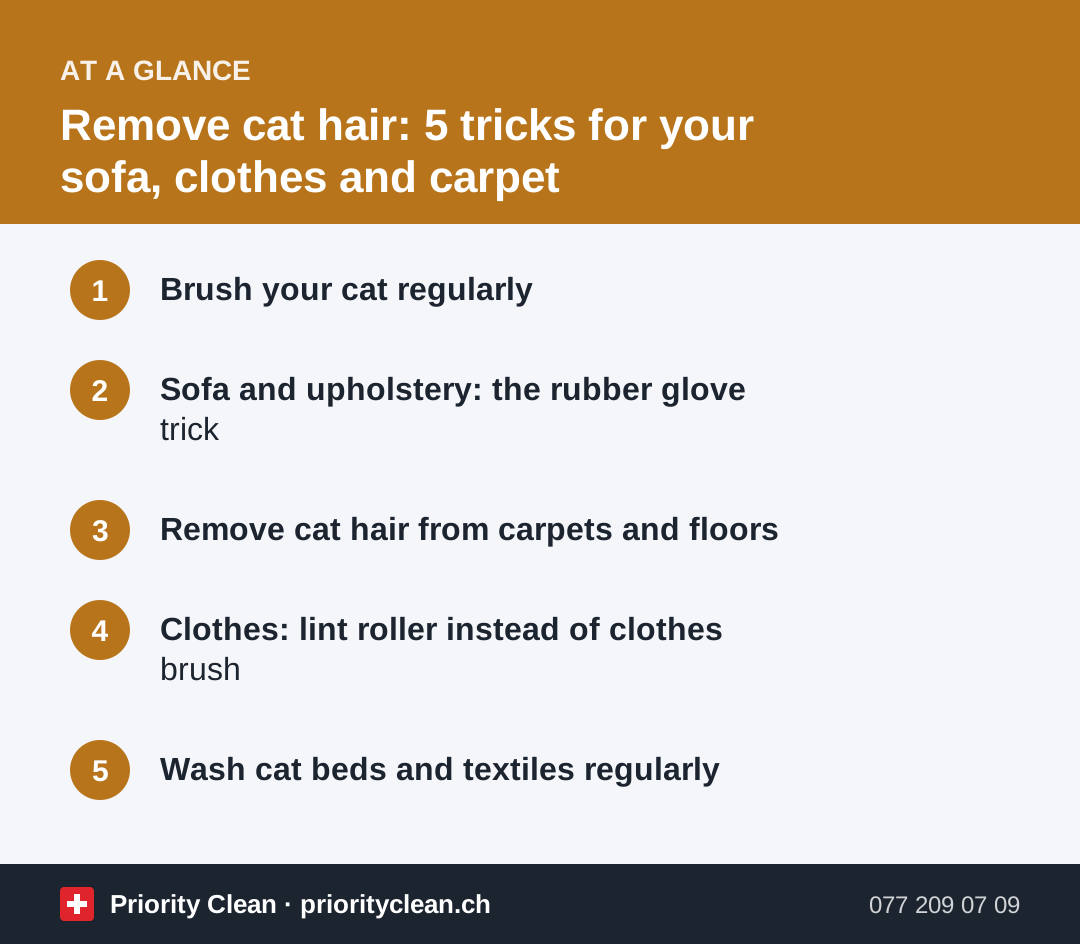
1. Brush your cat regularly
Every hair that ends up in the brush will not end up on the sofa. During the moult, brush your cat daily if possible, otherwise once or twice a week. Long-haired cats usually need more grooming than short-haired ones.
If you can, brush your cat on the balcony or outdoors. If someone in the household has an allergy, aha! advises that people without allergies brush the animal outside and also clean its sleeping places and bowls.
2. Sofa and upholstery: the rubber glove trick
This trick works surprisingly well:
- Put on an ordinary household rubber glove and dampen it slightly.
- Stroke the fabric with your flat hand, always in the same direction.
- The hair rolls into little balls – simply pick them up or vacuum them.
- Finish off with the upholstery nozzle.
A dry window squeegee with a rubber blade works too. On velvet, leather or delicate fabrics, test on a hidden spot first. It gets easier still with washable covers on your cat's favourite spot – aha! specifically recommends washable covers for armchairs and cushions. For general upholstery care, see our guide on how to clean a sofa.
3. Remove cat hair from carpets and floors
Hair gets so tangled in carpet pile that the vacuum cleaner often cannot pick it up. Here is how to go about it:
- Rubber broom: pull a broom with rubber bristles across the carpet in short strokes, in one direction. The hair gathers into clumps you can pick up.
- Vacuum with a pet hair nozzle: a turbo brush or pet hair nozzle lifts the loosened hair out of the pile. A machine with a HEPA filter also traps fine particles; aha! recommends one for both pet and house dust mite allergies.
- Damp-mop hard floors: after vacuuming, wipe with a damp mop instead of sweeping dry. With allergies, aha! advises damp-mopping floors every day.
If you have more than one pet, you will find further tricks in our guide on how to remove dog hair – most of them work just as well for cat hair.
4. Clothes: lint roller instead of clothes brush
For jumpers, coats and trousers, a lint roller is the best tool. aha! specifically recommends it over a clothes brush, which tends to stir up hair and allergens. Clothes that have been in close contact with the cat should also go in the wash.
Before washing, remove loose hair with the lint roller, otherwise it spreads over the whole load in the drum. If you have a tumble dryer, a few minutes without heat loosens a lot of hair, which ends up in the lint filter. Clean the filter straight away – more in our guide on cleaning a tumble dryer. In a shared laundry room, give the drum and door seal a quick wipe after washing so the next household does not find cat hair on their laundry.
5. Wash cat beds and textiles regularly
Wash blankets, basket cushions and pillowcases your cat lies on regularly, following the care label. For pillowcases, duvet covers and pyjamas, aha! recommends a 60 °C wash on its house dust mite allergy page – which also reliably removes cat hair and skin flakes.
It is best to keep the bedroom cat-free. aha! recommends this for pet allergies, and even without an allergy it saves a lot of work when you change the bedding.
Common mistakes when removing cat hair
- Only vacuuming: without a rubber glove or rubber broom, a lot of hair stays in the fabric.
- Dry sweeping or dusting: this stirs up hair and allergens instead of removing them.
- Putting hairy clothes straight in the machine: the hair spreads over the whole load.
- Forgetting the lint filter: a full filter makes drying take longer.
- Leaving the bedroom open to the cat: with allergies, it is the most important space to keep free.
Frequently asked questions
What is the quickest way to remove cat hair from a sofa?
Stroke the fabric with a slightly damp rubber glove, always in the same direction. The hair rolls into little balls that you can pick up or vacuum. On delicate fabrics, test on a hidden spot first.
What helps against cat hair on clothes?
A lint roller. It picks up hair without stirring it into the air. Remove the hair before washing so it does not spread in the drum, and clean the lint filter afterwards.
Which vacuum cleaner is best for cat hair?
One with a turbo brush or pet hair nozzle for carpets and upholstery, and with a HEPA filter so fine particles do not end up back in the air. aha! Swiss Allergy Centre recommends HEPA filters for pet allergies.
Are there cats that do not cause allergies?
According to aha!, there are no hypoallergenic cats. The allergens come mainly from skin flakes, saliva, urine and tears and stay in the home for a long time. If you have symptoms, talk to your doctor about what to do next.
Thanks for your feedback! Feel free to share the guide.
Thanks! What was missing? Drop us a line – we will improve the guide. WhatsApp