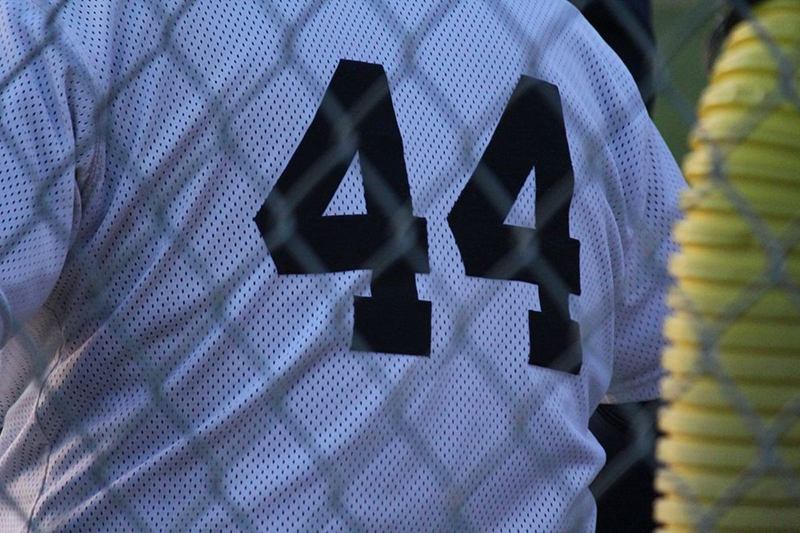
The football World Cup kicks off on 11 June, and in many Swiss homes the team shirt is back in action: at a public viewing, on the sofa or in your own kickabout on the grass. After sausages, beer and grass stains it has to go in the machine – and that is exactly where the number, name and badge suffer most. To wash a football shirt without cracking the print, you need one thing above all: very little heat.
Modern shirts are usually made of polyester and carry prints applied with heat. What heat has stuck on, heat can also loosen again. These five rules keep your shirt looking good for the whole tournament and beyond.
Why football shirts need special care
Polyester shirts are light, dry quickly and wick sweat away from the body. Numbers, names and sponsors are usually heat-pressed on as flock or film, and badges are heat-sealed or embroidered. These finishes are sensitive to heat, friction and chemicals:
| Problem | Likely cause |
|---|---|
| Number starts to crack | Washed too hot or tumble-dried |
| Letters lift at the edges | Heat, fast spin, rubbing against other textiles |
| Shirt smells musty even after washing | Sweat residue in the fibres, often made worse by fabric softener |
| Print feels sticky or looks shiny | Ironed directly |
| Colours fade | Drying in strong sun, bleach |
The good news is that polyester gets clean at low temperatures. EnergieSchweiz, the federal energy programme, recommends low temperatures of 20 to 30 °C, eco programmes and full loads anyway – and for a football shirt the low temperature is doubly worthwhile.
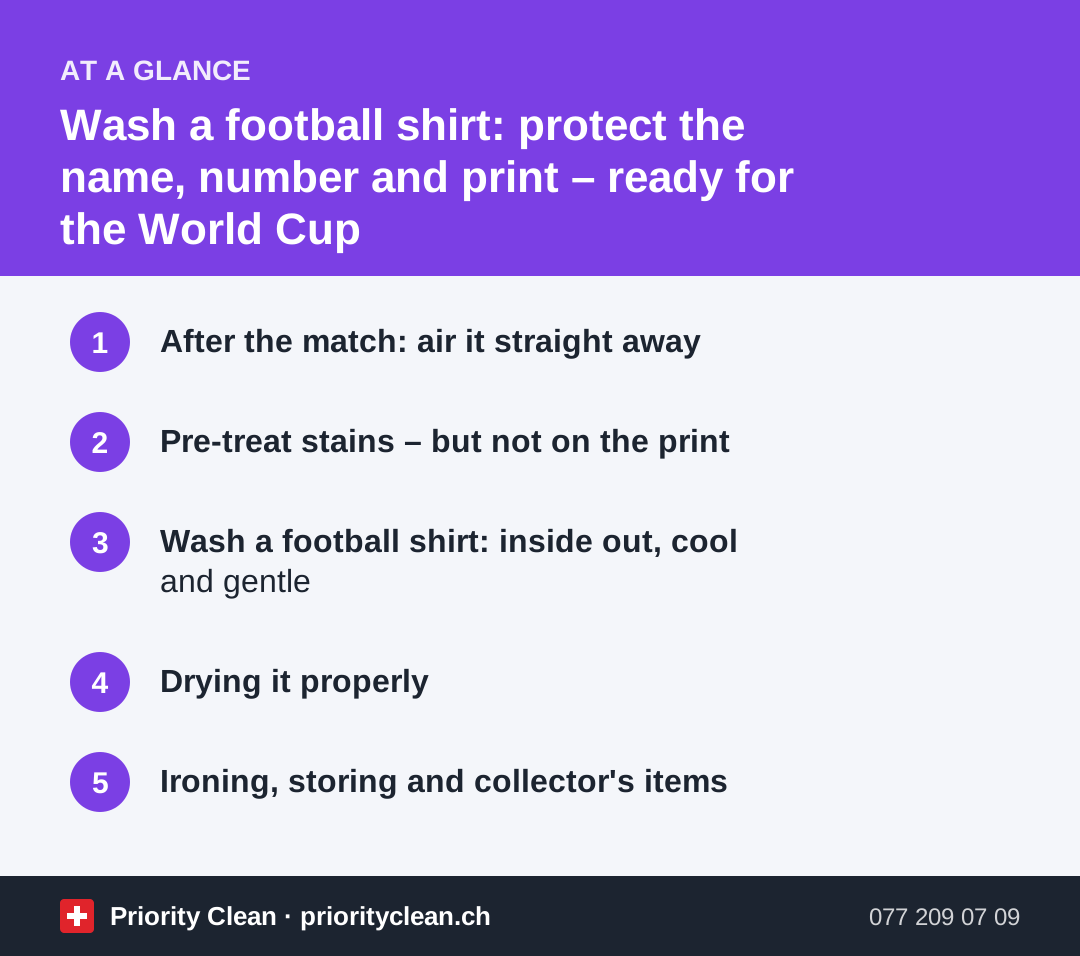
1. After the match: air it straight away
A sweaty shirt left overnight in a kit bag is the main cause of stubborn smells. Bacteria break down the sweat, and the odour sets in the synthetic fibre. So take the shirt out straight away and hang it up to air until you can wash it.
If it is very sweaty, rinse it briefly in cold water. Don't wait days before washing – the fresher the dirt, the more easily it comes out.
2. Pre-treat stains – but not on the print
Grass, mud, mustard or beer usually come out in a normal wash if you pre-treat them:
- Grass stains: rub in a little liquid detergent or ox-gall soap and leave briefly. Full details in our guide to removing grass stains.
- Mud and soil: let it dry completely, brush it off and only then wash.
- Blood: rinse only with cold water, as warm water sets the protein.
- Mustard and ketchup: scrape off the residue, rinse with cold water from the back, then pre-treat.
Never rub directly on the flock or badge, and don't use a brush on the print. Test any stain remover on an inconspicuous spot first.
3. Wash a football shirt: inside out, cool and gentle
This is how the shirt comes out of the machine in one piece:
- Empty any pockets, close zips and buttons.
- Turn the shirt inside out so the print doesn't rub against the drum and other textiles.
- Use a laundry bag if you have one.
- Choose a synthetics, sports or delicates programme, 30 °C at most, unless the label asks for less.
- Reduce the spin speed and only fill the drum loosely.
- Use a mild liquid detergent or a sports detergent, without bleach and without fabric softener.
The care label is your most important guide. According to GINETEX, the international association behind the care symbols, the number in the wash tub is the maximum temperature, and one bar underneath means a milder cycle. For mild and very mild cycles, the consumer site clevercare.info also advises reducing the load. So don't wash the shirt with jeans or towels, but with similarly light sportswear.
4. Drying it properly
Hang the wet shirt inside out on a clothes hanger and let it air-dry – indoors, in the shade on the balcony or in the drying room of the shared laundry. Polyester dries quickly, usually within a few hours.
Avoid strong sunshine, as UV light fades bright team colours. Don't put the shirt on a hot radiator either. And leave the tumble dryer out of it, even on a gentle setting.
5. Ironing, storing and collector's items
A polyester shirt usually doesn't need ironing if you hang it up wet and smooth. If you must: inside out, lowest setting and never over the print. Put a cloth in between and keep the iron moving.
Store shirts on a hanger or loosely folded, without a sharp crease through the number. A signed collector's shirt is best not washed at all – felt-tip signatures rarely survive a wash. Air it and keep it in a frame or a garment bag.
For general rules on running tops, leggings and the like, see our guide to washing sportswear.
The most common mistakes
- Washing it with the hot whites: high temperatures crack the number and badge.
- Fabric softener "for the scent": it makes technical fabric smell musty rather than fresh.
- Forgetting it in the kit bag: the smell sets deep into the fibre.
- A quick spin in the tumble dryer: heat is the enemy of any flock print.
- In the drum with jeans: zips and heavy fabrics rub the print away.
Frequently asked questions
What temperature should you wash a football shirt at?
Usually 30 °C, on a synthetics, sports or gentle programme. The care label is what counts: the number in the wash tub is the maximum temperature you should not exceed.
Can a football shirt go in the tumble dryer?
Better not. Heat is the most common reason why numbers crack and letters peel off. Polyester air-dries within a few hours anyway.
How do I get the sweat smell out of a football shirt?
Air the shirt straight after wearing it, skip fabric softener and, if needed, soak it in cold water with a little liquid detergent before washing. A sports detergent can also help.
Can I iron a shirt with a printed number?
Only inside out, on the lowest setting and never directly over the number, name or badge. Put a cloth in between. Usually ironing isn't necessary at all if you hang the shirt up wet on a hanger.
Thanks for your feedback! Feel free to share the guide.
Thanks! What was missing? Drop us a line – we will improve the guide. WhatsApp