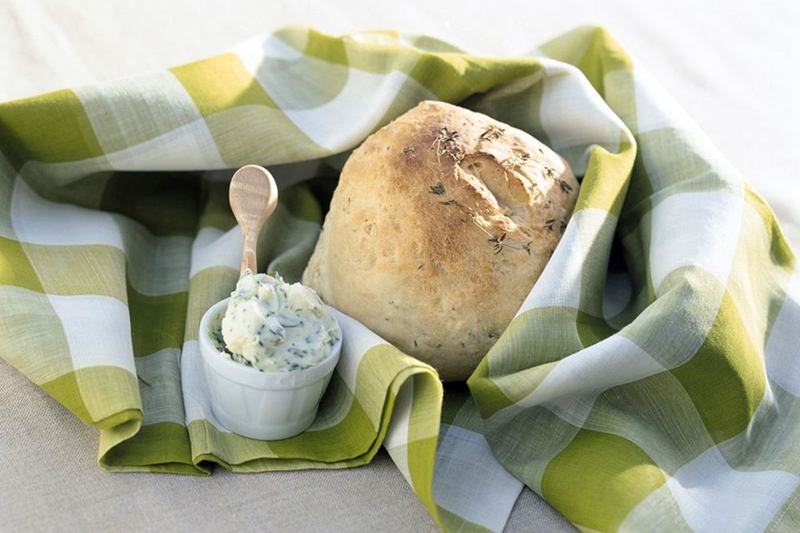
A fresh plaited Zopf on Saturday, a rustic loaf from the baker during the week: in many Swiss kitchens a bread bin is waiting for them. It keeps bread fresh for longer, but it also collects crumbs and moisture – exactly what mould loves. To clean a bread bin you don't need to invest much time: a short weekly routine and a thorough clean now and then are usually enough.
What matters most is that the bin is completely dry after cleaning and that the bread goes in the right way. Here is how to recognise the causes of mould, clean wood, metal and ceramic gently and store your bread so that it keeps longer.
Why mould grows in a bread bin
Bread releases moisture, especially when freshly baked or soft. In a closed bin the humidity rises, and mould finds food in leftovers and crumbs. Once present, its spores spread inside and settle on walls, corners and ventilation slots. The next loaf then goes mouldy faster.
Location plays a part too. A bread bin next to the cooker, above the dishwasher or in a sunny window gets warm, and warm, humid air speeds up mould. A cool, dry spot on the worktop or in a cupboard with some air circulation is better.
Crumbs also attract pantry pests. Small reddish-brown beetles in the kitchen can point to an infestation – read more in our guide to bread beetles.
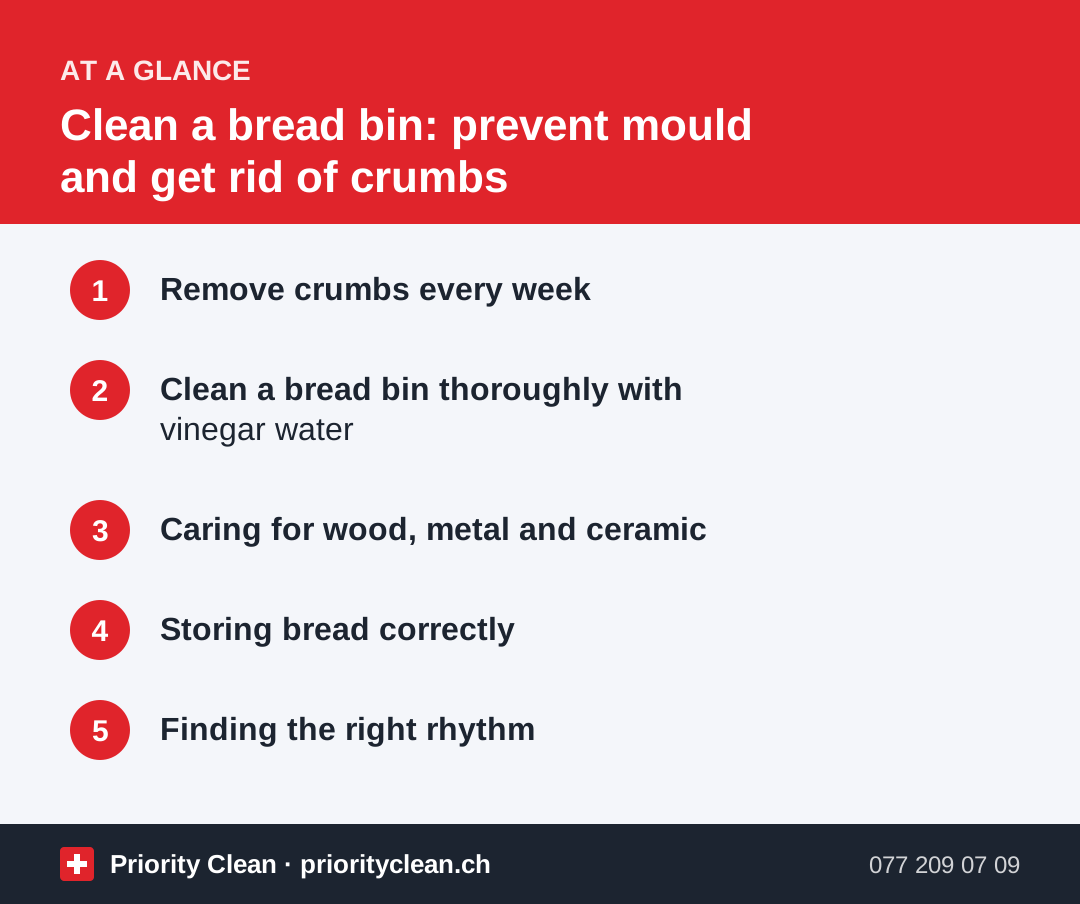
1. Remove crumbs every week
Once a week, take out the bread and bread bag and tip the bin out over the rubbish bin or sink. If it has a removable crumb tray or grid, empty that separately. Stubborn crumbs in the corners come out with a dry brush or the vacuum cleaner's crevice nozzle.
Then wipe the inside with a dry or only slightly damp cloth. While you are at it, check the corners, lid edge and ventilation holes for pale or greenish spots – that way you notice mould early.
2. Clean a bread bin thoroughly with vinegar water
About once a month, and every time bread has gone mouldy in it, a thorough clean is worthwhile:
- Empty the bin completely and take out any removable parts.
- Tap out and vacuum the crumbs.
- Wipe inside and out with warm water and a little washing-up liquid. The Federal Food Safety and Veterinary Office generally recommends that you clean worktops and utensils with hot water and soap.
- Wipe again with a fresh cloth dipped in water with a splash of household vinegar and well wrung out.
- Rub dry with a tea towel and leave the bin open until the inside is completely dry.
Vinegar is one of the classic household remedies that the Swiss consumer protection foundation describes as a simple alternative to many cleaning products. A disinfectant is not normally needed at home. Never mix vinegar with chlorine-based cleaners.
3. Caring for wood, metal and ceramic
Each material needs slightly different care:
| Material | How to clean it | Watch out for |
|---|---|---|
| Wood and bamboo | Barely damp cloth, vinegar water, dry at once | Never soak or put in the dishwasher; if oiled, treat occasionally with food-safe oil |
| Stainless steel and painted metal | Soapy water, then vinegar water | No abrasives, scratches in the paint rust |
| Enamel | Soapy water, soft cloth | Dry chipped areas well |
| Ceramic and stoneware | Soapy water, glazed parts thoroughly | Unglazed areas absorb moisture, let them dry for a long time |
| Plastic | Soapy water, vinegar water | Dishwasher only if the manufacturer allows it |
Wooden bins are especially popular because wood absorbs some moisture. That is exactly why they must never stay wet. Put a freshly cleaned wooden bin somewhere airy with the lid open until the inside is dry. For caring for wood in the kitchen in general, see our guide to cleaning a wooden chopping board.
4. Storing bread correctly
Even the best clean is of little use if the bread goes in the wrong way:
- Only store cooled bread: freshly baked bread gives off steam that condenses inside the bin.
- Paper or cloth bag instead of plastic: plastic traps moisture, the bread turns soft and moulds faster.
- Don't overfill: air needs to circulate. Buy smaller amounts instead.
- Cut side down: the bread dries out less.
- Avoid the fridge: bread goes stale faster there. Anything you won't eat within a few days is better frozen in portions.
5. Finding the right rhythm
How often you clean depends on how much bread you eat and how warm your kitchen is. As a guide: remove crumbs every week, wipe out thoroughly with vinegar water once a month and clean everything immediately whenever you find mould. In summer, when bread moulds faster, a shorter interval is worthwhile.
The most common mistakes
- Cutting off the mould: toxins can spread invisibly throughout the loaf.
- Soaking a wooden bin: the wood swells, cracks and dries badly.
- Refilling it while damp: leftover moisture sets up the next mould.
- Putting in warm bread: condensation collects in the bin.
- Keeping it next to the cooker: heat and steam shorten how long bread keeps.
Mould elsewhere in the kitchen? Our guide to mould in the fridge explains what to do.
Frequently asked questions
How often should you clean a bread bin?
Remove the crumbs every week, and give it a thorough clean with soapy water and then vinegar water about once a month. Whenever you find mould, clean the whole bin straight away.
Does vinegar help against mould in a bread bin?
Diluted household vinegar is a tried-and-tested remedy for wiping the inside after soapy water and helping to prevent new mould. The important thing is that the bin then dries completely. Mouldy bread still goes in the bin whole.
Can a wooden bread bin be cleaned with water?
Only with a barely damp cloth. Wipe it with a well wrung-out cloth, rub it dry and let it air with the lid open. Wooden bins cannot cope with soaking or the dishwasher.
Can I still eat bread with a small mouldy spot?
No. According to the Federal Food Safety and Veterinary Office, mould toxins spread through water-rich foods such as bread and are not destroyed even by toasting. Throw away the whole loaf and clean the bread bin.
Thanks for your feedback! Feel free to share the guide.
Thanks! What was missing? Drop us a line – we will improve the guide. WhatsApp