In many Swiss kitchens, beeswax wraps have replaced cling film: they cover bowls, keep cheese fresh and wrap the bread for a mid-morning snack. If you want to clean beeswax wraps without damaging them, one rule matters above all: heat is the enemy of wax. Hot water, the dishwasher and the microwave destroy the coating in no time.
With cold water, a little washing-up liquid and proper drying, the wraps stay supple and clingy for months. And once they stop sticking, you can refresh them with new wax in the oven – before they eventually end up on the compost.
Why beeswax wraps need special care
A beeswax wrap is cotton fabric soaked in beeswax. Many manufacturers add tree resin and jojoba oil so the wrap clings and stays supple. This coating is delicate: beeswax softens at fairly low temperatures, and hot water washes it out of the fabric. Alcohol, harsh cleaners and scouring sponges also attack the coating.
At the same time, a cloth that touches food is a kitchen utensil, just like a chopping board. The Federal Food Safety and Veterinary Office points out that germs spread via hands, chopping boards, utensils and cloths. Because a wax wrap cannot be washed hot, the choice of food largely decides whether it stays hygienic.
| Sign | Likely cause | What helps |
|---|---|---|
| Wrap no longer clings | Wax layer worn off | Refresh in the oven |
| White creases and cracks | Folded sharply too often or stored in the cold | Warm it in your hands, refresh later |
| Stained, slightly discoloured | Beetroot, curry or berries | Harmless, keep using it |
| Smells of onion or cheese | Odours soak into the wax | Wash cold, air it, reserve it for that food |
| Patches of bare fabric | Washed too hot | Refresh with new wax |
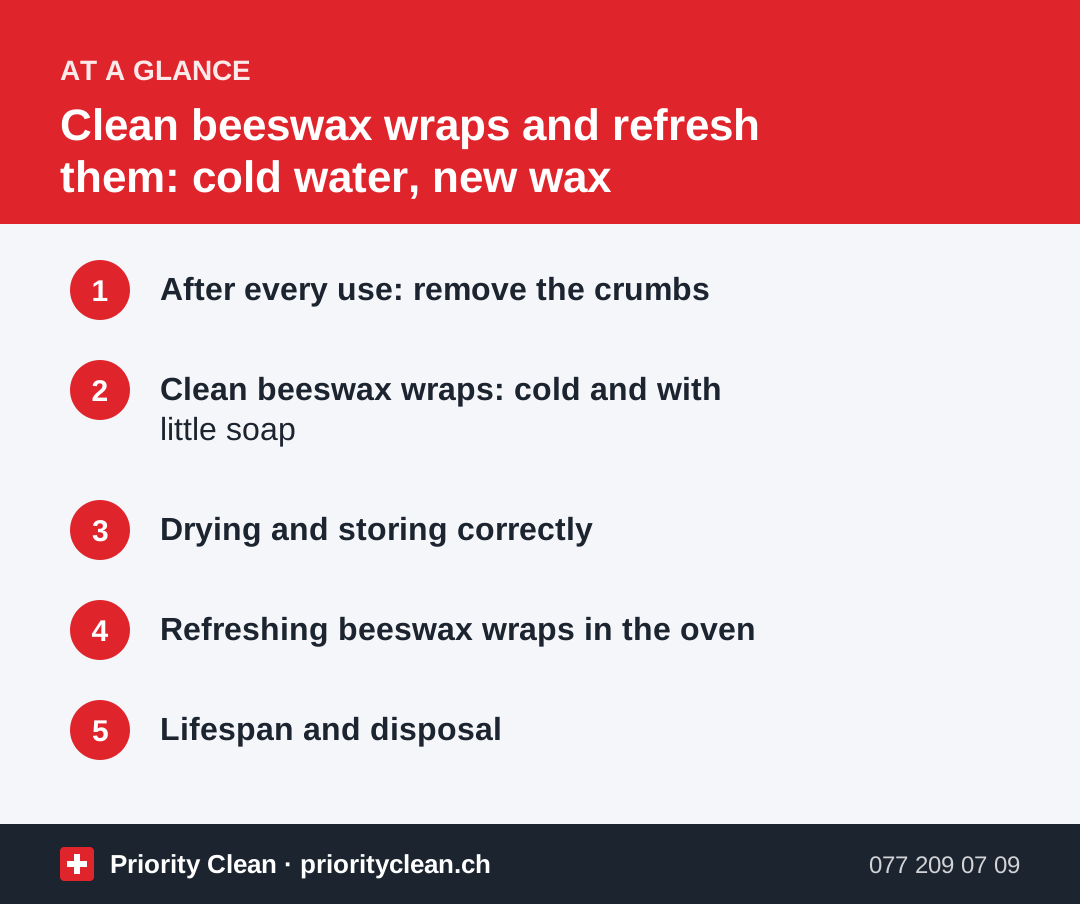
1. After every use: remove the crumbs
Often a quick shake and a wipe with a damp cloth are all a wrap needs. If it only held dry bread or an apple, there is no need for washing-up liquid. Then leave it to dry flat.
Sticky residue such as honey, cheese or dough should not be left to dry on: scrubbing later wears down the wax layer.
2. Clean beeswax wraps: cold and with little soap
This is how to wash a dirty wrap gently:
- Hold the wrap under cold or at most lukewarm water, never hot.
- Put a drop of mild washing-up liquid on a soft sponge or cloth.
- Wipe the surface gently in circles, on both sides.
- Rinse thoroughly in cold water until no foam is left.
- Do not wring it out – just shake off the water.
Avoid the dishwasher, washing machine, microwave, alcohol-based cleaners and the rough side of the sponge.
What does not belong in a beeswax wrap
- Raw meat and raw fish: germs cannot be removed reliably with cold water. Use a container that can be washed hot.
- Warm food: let leftovers cool first, otherwise the wax softens and sticks to the food.
- Very moist or oily food: it softens the coating. Cover the bowl rather than wrapping the food directly.
3. Drying and storing correctly
After washing, hang the wrap over the back of a chair, from a clothes peg or on the dish rack. Do not put it on the radiator or in direct sun, and do not use a hairdryer. Only put it away once it is completely dry – otherwise mould can form.
Wraps are best stored rolled or loosely folded in a drawer, a box or a jar. Sharp creases crack the wax over time. Keep them away from the oven, hob and dishwasher, as their heat is enough to soften the coating.
4. Refreshing beeswax wraps in the oven
If a wrap no longer clings or shows bare patches, it needs new wax. Specialist shops sell refresher blocks or wax pellets, often mixed with resin and oil. Pure beeswax clings less well.
- Preheat the oven to a low temperature – follow the instructions from the maker of your wrap or wax.
- Lay the wrap flat on a tray lined with baking paper and sprinkle on a little wax if needed.
- Wait a few minutes until the wax has melted, keeping a close eye on the oven.
- Take the tray out and spread the wax evenly with a brush.
- Lift the wrap by two corners, let it cool in the air for a few seconds and hang it up.
To simply smooth out a slightly blotchy wrap, an iron on a low setting is often enough: place the wrap between two sheets of baking paper and run the iron over it briefly.
5. Lifespan and disposal
How long a wrap lasts depends on how often you use and wash it. Many manufacturers reckon on around a year, often much longer with refreshing. If the fabric frays at the edges, becomes thin or keeps a smell despite washing, it is time for a new one.
Worn-out wraps made of pure cotton with beeswax, resin and oil can be cut into strips and put on your own compost heap. Whether your commune's green waste collection accepts them varies. Swiss Recycle has an overview of what is collected where in Switzerland, and your commune's waste calendar sets out the local rules. Wraps containing synthetic fibres go in the rubbish bag.
The most common mistakes
- Rinsing with hot water: the wax dissolves and the wrap loses its cling.
- Putting it in the dishwasher: heat and detergent destroy the coating after a single cycle.
- Wrapping raw chicken: a wax wrap cannot be cleaned hot – a container is the better choice.
- Storing it damp: wet wraps in a drawer can turn musty.
- Refreshing too hot: overheated wax smokes, discolours and can ignite.
For looking after other kitchen items, read our guides on cleaning a wooden chopping board and cleaning the fridge.
Frequently asked questions
Can you put beeswax wraps in the dishwasher?
No. The heat in the dishwasher melts the wax and the detergents are too harsh. Wash the wrap by hand in cold or lukewarm water with a drop of mild washing-up liquid.
How often do beeswax wraps need refreshing?
As soon as a wrap no longer clings, shows bare patches or becomes brittle. With daily use this can happen after a few months.
Can you wrap cheese in a beeswax wrap?
Yes, cheese and bread are classic uses. For strong-smelling cheeses keep a dedicated wrap, as the smell can soak into the wax.
How do you dispose of an old beeswax wrap?
Wraps made of pure cotton with natural wax can be cut up and put on your own compost heap. Your commune decides whether they are accepted with green waste. Wraps with synthetic fibres go in the rubbish bag.
Thanks for your feedback! Feel free to share the guide.
Thanks! What was missing? Drop us a line – we will improve the guide. WhatsApp