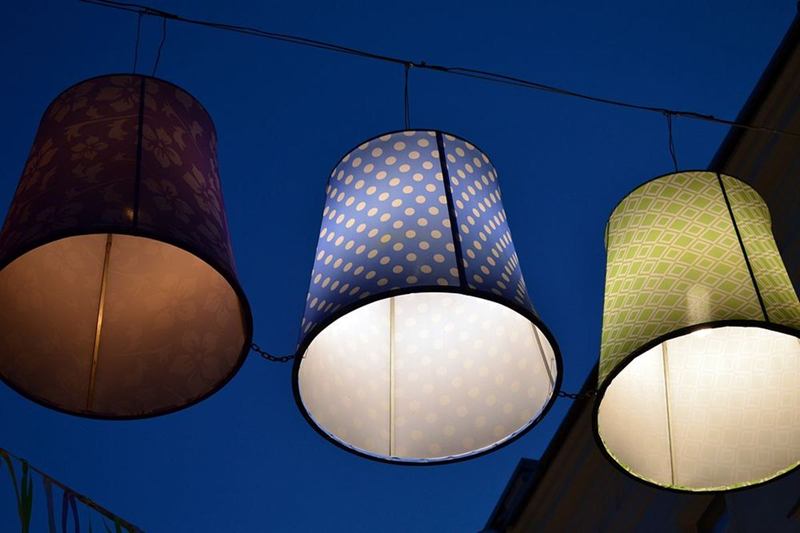
In winter the lamps often go on in mid-afternoon – and that's exactly when you notice how much dust has settled on them. Knowing how to clean a lampshade starts with the material: fabric needs different treatment from paper, glass different treatment from plastic. Use the wrong method and you end up with water marks, dents or edges coming unstuck.
The five steps below show how to get every kind of shade clean safely and gently – from the floor lamp in the living room to the ceiling light in the hallway.
Why it pays to clean a lampshade regularly
Lampshades are classic dust traps: they sit or hang out in the open, and dust quietly settles on the top. In the kitchen a sticky film of grease is added, and glass bowls on the ceiling collect dead insects. A dusty lamp gives noticeably less light, and on hot halogen or incandescent bulbs, dust can give off an unpleasant smell.
Good light is also a safety issue: the Swiss Council for Accident Prevention (BFU) recommends lighting your home brightly but without glare, especially stairs. Clean shades and bulbs play their part.
| Material | Suitable method | Best avoided |
|---|---|---|
| Fabric (linen, cotton, silk) | Lint roller, upholstery nozzle, soft brush | Soaking, rubbing stains |
| Paper, parchment, rice paper | Soft brush, feather duster, hairdryer on cold | Water and damp cloths |
| Glass | Lukewarm soapy water, soft cloth | Abrasives, dishwasher without the manufacturer's approval |
| Plastic, acrylic | Slightly damp microfibre cloth, mild washing-up liquid | Alcohol, solvents, scouring pads |
| Metal, rattan, raffia | Dry dusting with a brush | Moisture and harsh cleaners |
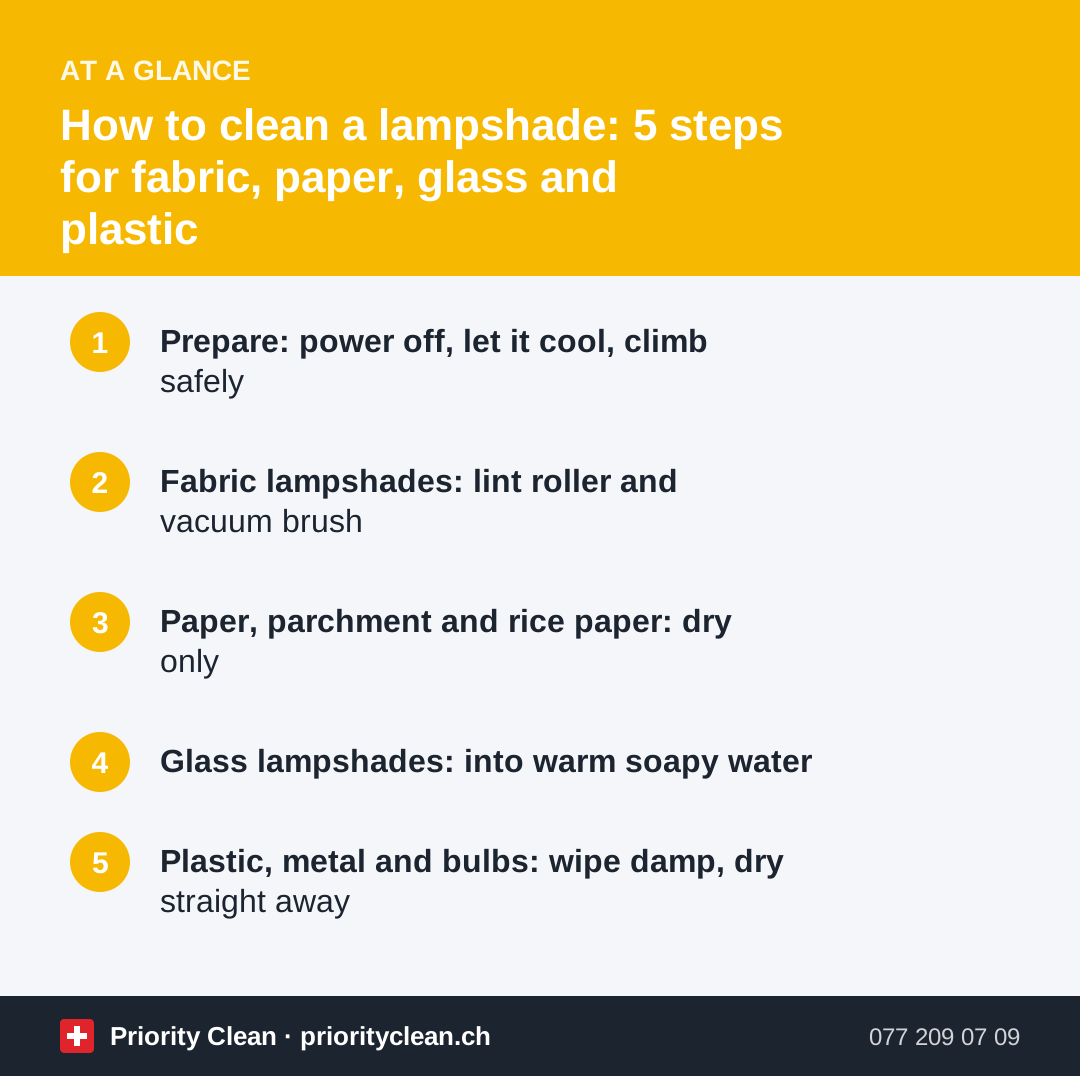
1. Prepare: power off, let it cool, climb safely
Switch the lamp off and unplug floor and table lamps. Halogen and incandescent bulbs get very hot: wait until you can touch them comfortably. If possible, take the shade off – you'll clean it more thoroughly on a table than overhead.
For ceiling lights you need a stable step ladder – not a chair, stool or box. The BFU advises choosing a step ladder with deep treads with non-slip grooves, non-slip feet and a lock that stops it folding up. Position the ladder directly under the lamp instead of leaning out sideways, and hand large glass bowls down to a second person.
2. Fabric lampshades: lint roller and vacuum brush
Most fabric shades are laminated onto a plastic backing and glued at the edges. So the rule is: dry before wet.
- Run a lint roller over the shade in strips from top to bottom, outside and inside.
- Alternatively, use the upholstery nozzle or brush attachment of your vacuum cleaner on low suction.
- Dust pleated shades fold by fold with a soft brush.
- Dab stains with lukewarm water and a drop of mild washing-up liquid without rubbing – test on an inconspicuous spot first.
- Let the shade dry upright in the air, never on the lamp while it's switched on.
Only wash a fabric shade completely if the manufacturer expressly allows it, for example with removable, sewn covers. Glued shades can come apart or lose their shape in water.
3. Paper, parchment and rice paper: dry only
Paper shades are the most delicate. Water leaves marks and can make the paper warp or tear. So work dry only:
- Soft brush or feather duster: gently dust from top to bottom.
- Hairdryer on the cold setting: blow dust out of folds and ridges, ideally on the balcony.
- Dry-cleaning sponge: for grey films on smooth paper and parchment.
On sturdy paper, a soft white eraser can sometimes lighten small marks. On thin rice-paper lanterns, better not try. Treat rattan, raffia and wood veneer dry as well, with a brush or the vacuum's brush attachment.
4. Glass lampshades: into warm soapy water
Glass is the most forgiving, because it can get wet. Here's how:
- Take down the shade or ceiling bowl with both hands and empty any dead insects over the bin.
- Lay a tea towel in the sink – it protects against scratches and breakage.
- Wash the glass in lukewarm water with a little washing-up liquid, using a soft sponge.
- Rinse with clean water and polish dry with a lint-free cloth.
- Only refit it once the glass is completely dry, inside and out.
Glass shades only go in the dishwasher if the manufacturer allows it: painted, gilded or frosted surfaces can suffer. For lights with lots of glass drops, see our guide on how to clean a chandelier.
5. Plastic, metal and bulbs: wipe damp, dry straight away
Wipe plastic and acrylic shades with a slightly damp microfibre cloth and a little mild washing-up liquid, then dry them. Alcohol, solvents and scouring pads can cloud or scratch acrylic. Dust metal shades and, if needed, wipe them with a barely damp cloth; dry them straight away so no marks remain.
Don't forget the bulb: LED, halogen or incandescent, dust it only when cold, and only with a dry, soft cloth or brush. And while you're at it: light switches and sockets collect dirt too – see our guide to cleaning yellowed light switches.
Common mistakes
- Cleaning a lamp that is on or hot: risk of burns and electric shock.
- Wiping paper with a damp cloth: water marks are almost impossible to remove.
- Soaking a fabric shade: the glue gives way and the shade loses its shape.
- Refitting wet glass: moisture has no place near the lamp holder.
- Standing on a chair: chairs and stools tip over easily – a step ladder is safer.
Frequently asked questions
How often should you clean a lampshade?
Dusting is part of normal cleaning, roughly every week or two with a feather duster or lint roller. A thorough clean is worthwhile a few times a year – more often in the kitchen because of the grease film. Our dusting tips help with the routine.
Can you wash a fabric lampshade?
Only if the manufacturer allows it, for example with removable, sewn covers. Most fabric shades are glued and can't take a bath. A lint roller, the vacuum brush and dabbing individual stains are usually enough.
How do I brighten a yellowed lampshade?
Yellowing from light, heat or smoke usually can't be fully reversed on fabric and paper. A grey film on the surface, however, often comes off with a dry-cleaning sponge. Glass and plastic usually come up clear again with warm soapy water.
Can a glass lampshade go in the dishwasher?
Only with the manufacturer's approval. Painted, gilded or frosted glass can turn dull or lose its decoration in the dishwasher. Washing by hand in lukewarm soapy water is the safe option.
Thanks for your feedback! Feel free to share the guide.
Thanks! What was missing? Drop us a line – we will improve the guide. WhatsApp