January is when motivation runs high: wardrobes get sorted, the cellar cleared, every drawer tackled. A few weeks later, though, post, cables and jumpers are piling up on the table and chairs again. Keeping a tidy home for good doesn't take one perfect clear-out – it takes a few small habits that fit into everyday life.
The five habits below work just as well in a studio flat as in a family home. Together they take barely a quarter of an hour a day, and they make cleaning much easier too.
Why keeping a tidy home is so hard
Clutter is rarely about laziness. Usually there is simply no fixed place for things, there are more belongings than storage space, or decisions get put off: the letter stays on the table because it's unclear where it belongs, the jacket is draped over a chair because the coat rack is full. Every "I'll put that away later" is a postponed decision.
On top of that there's an effect we see in many flats: once one pile has formed, a second soon appears next to it. Clear surfaces, on the other hand, tend to stay clear. That's exactly where the five habits come in – they stop small piles from forming in the first place.
| Hotspot | Typical cause | Simple fix |
|---|---|---|
| Entrance and coat rack | Shoes, bags and post with no fixed place | Shoe rack, hooks and a bowl for keys |
| Dining table | Becomes a dumping ground for shopping, papers and the laptop | Clear it completely after every meal |
| Bedroom chair | Worn clothes that don't need washing yet | A hook or basket just for "worn once" |
| Kitchen worktop | Appliances, junk mail, shopping bags | Only leave out what you use every day |
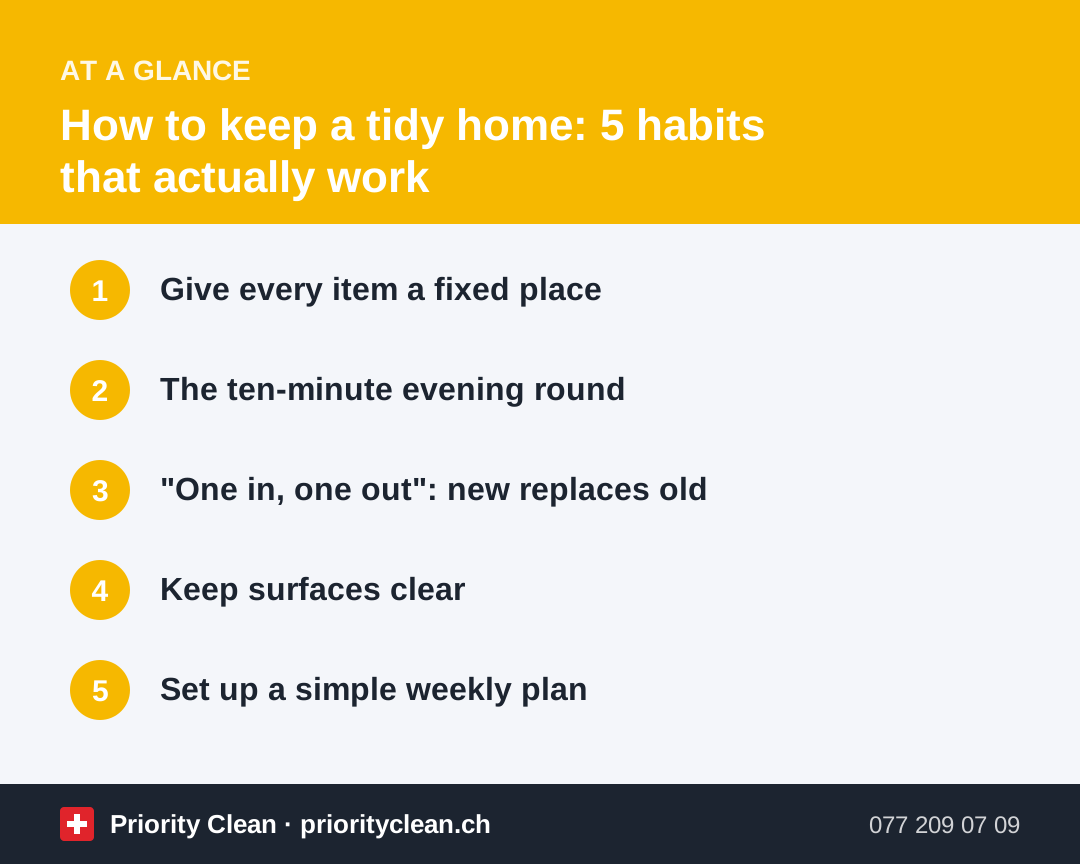
1. Give every item a fixed place
The golden rule of order: everything has a home, and everyone in the household knows where it is. Tidying up then no longer involves thinking – just putting things back.
- Close to where you use it: keys by the entrance, chargers near the sofa, shopping bags by the coat rack.
- By frequency: things you use daily go at grab height. Rarely used items move up high, to the cellar or to the attic storage room.
- Keep sets together: wrapping paper, scissors and sticky tape in one box, bike accessories in another.
- Label it: labels on boxes and drawers help children and flatmates in particular.
If something simply won't find a place, that's often a sign there's just too much stuff. Then it's worth a thorough sort-out with our declutter checklist.
2. The ten-minute evening round
Ten minutes in the evening is enough to wake up to a tidy flat. Here's how the round works:
- Set a timer for ten minutes – knowing the end is in sight is motivating.
- Walk through every room with a basket and collect anything that isn't in its place.
- Clear the dining table and worktop, load the dishwasher.
- Sort the post: junk mail straight into the paper recycling, bills into a fixed tray.
- Clear the floors: toys, bags and shoes go back where they belong.
3. "One in, one out": new replaces old
Keeping things tidy also means keeping the amount of stuff under control. The rule is simple: for every new item, an old one leaves the household – a new jumper for one you hardly wear, a new toy for one nobody plays with any more. That keeps your belongings stable and stops wardrobes overflowing.
Where should the sorted-out items go? Anything in good condition can go to a second-hand shop (in German-speaking Switzerland often called a Brockenhaus) or a clothes collection; plenty can be given away or sold online. For the rest, Swiss Recycle shows what is collected where in Switzerland, from batteries and glass to textiles. Your commune's waste calendar is usually on its website.
4. Keep surfaces clear
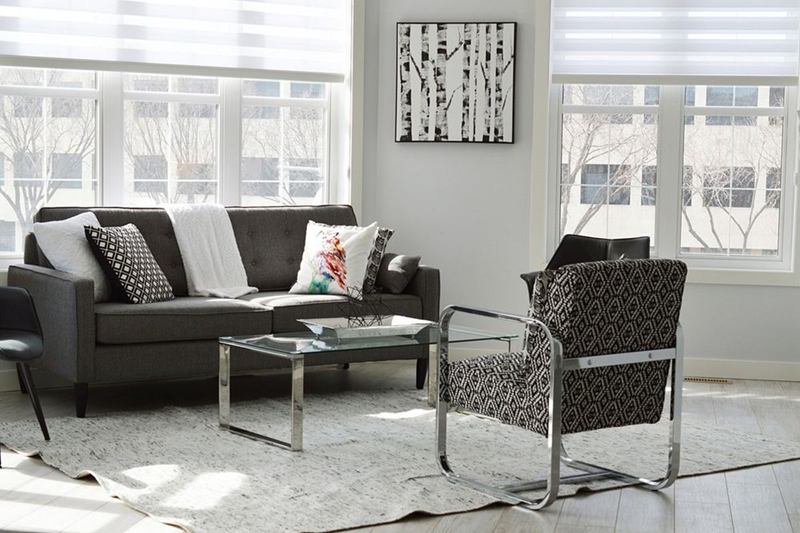
Dining tables, chests of drawers, worktops and windowsills attract things like magnets. So decide what is allowed to stay there: on the worktop, only appliances you use every day; on the chest of drawers, two or three decorative pieces at most. Everything else goes into cupboards, drawers or closed boxes.
Clear surfaces have a pleasant side effect: they can be wiped down in seconds, and dust has fewer places to settle. Floors and stairs aren't storage space either. The Swiss Council for Accident Prevention (BFU) names loose cables and toys as typical trip hazards and advises against using stairs as a storage area – for example for waste paper waiting for the next collection.
5. Set up a simple weekly plan
Daily routines keep the flat tidy; the weekly plan makes sure laundry, paperwork and cleaning don't pile up either. Assign tasks to fixed days and share them among everyone who lives in the household – depending on their age, children can take on small jobs too.
Planning tidying and cleaning together saves time: a clear floor is vacuumed in no time. Our guide to making a cleaning schedule shows how to build a plan that suits your daily life.
Common mistakes
- Trying to do everything in one weekend: big clear-outs are exhausting. Small, regular steps last longer.
- Buying boxes before decluttering: you end up storing things you don't need in nice containers.
- Tolerating holding areas: the "sort later" box or the bedroom chair soon becomes permanent.
- Tidying up alone for everyone: order only lasts if each person puts away their own things.
- Expecting perfection: a lived-in home is allowed to look lived in. The goal is "tidy enough", not a catalogue photo.
Frequently asked questions
How can I keep a tidy home when I'm short of time?
Rely on short, fixed routines rather than big sessions: put things back straight away, spend ten minutes tidying every evening and keep surfaces clear. That way there's no need for a tidying marathon at the weekend.
How do I get children to tidy up?
Give them clear places they can reach: open boxes at child height, labelled with pictures. Make tidying up a fixed ritual, for example before dinner, and do it together at first. Keep your expectations in line with their age.
What does "one in, one out" mean?
For every new item, an old one leaves the household. The rule works particularly well for clothes, shoes, kitchen gadgets and toys, and stops wardrobes and shelves from overflowing over time.
Should I tidy up before the cleaner comes?
Roughly, yes: clear floors and surfaces so the time goes into cleaning rather than putting things away. Personal items and papers are best sorted by you. Our guide Cleaning before the cleaner comes? explains more.
Thanks for your feedback! Feel free to share the guide.
Thanks! What was missing? Drop us a line – we will improve the guide. WhatsApp