A quick wipe with a jumper sleeve, a huff of breath, done: that is how many people clean their glasses several times a day. It is exactly this habit that scratches the lenses over time. Knowing how to clean glasses without damaging the coatings comes down to two things: lukewarm water with a drop of washing-up liquid, and a clean microfibre cloth.
In January your lenses are constantly smeared or misted up, whether on the ski slopes or stepping onto a warm tram. These five steps show how to clean prescription glasses, reading glasses and sunglasses gently – and which mistakes ruin lenses.
Why spectacle lenses scratch so easily
Most spectacle lenses today are made of plastic: light and less prone to breaking, but softer than mineral glass. To stay clear for a long time, they carry wafer-thin layers – a hard coating against scratches, an anti-reflective coating and often a dirt-repellent top coat. These layers cope well with everyday life but are sensitive to friction, heat and harsh products.
The real problem is dust. It contains fine mineral particles such as sand that can cause scratches. Rub a dusty lens dry and you drag those grains across the surface. Individually the fine scratches are barely visible, but over time the lens turns hazy and causes glare, especially when driving at night.
| Product | For spectacle lenses? | Why |
|---|---|---|
| Lukewarm water and washing-up liquid | Yes | Rinses away dust and dissolves skin oils |
| Lens spray from the optician | Yes | Made for coated lenses |
| Disposable lens wipes | Yes, when out and about | Handy, but blow off coarse dust first |
| T-shirt, tissue, kitchen roll | No | Fibres and dust scratch the surface |
| Methylated spirits, window cleaner, vinegar, acetone | No | Can attack coatings and frames |
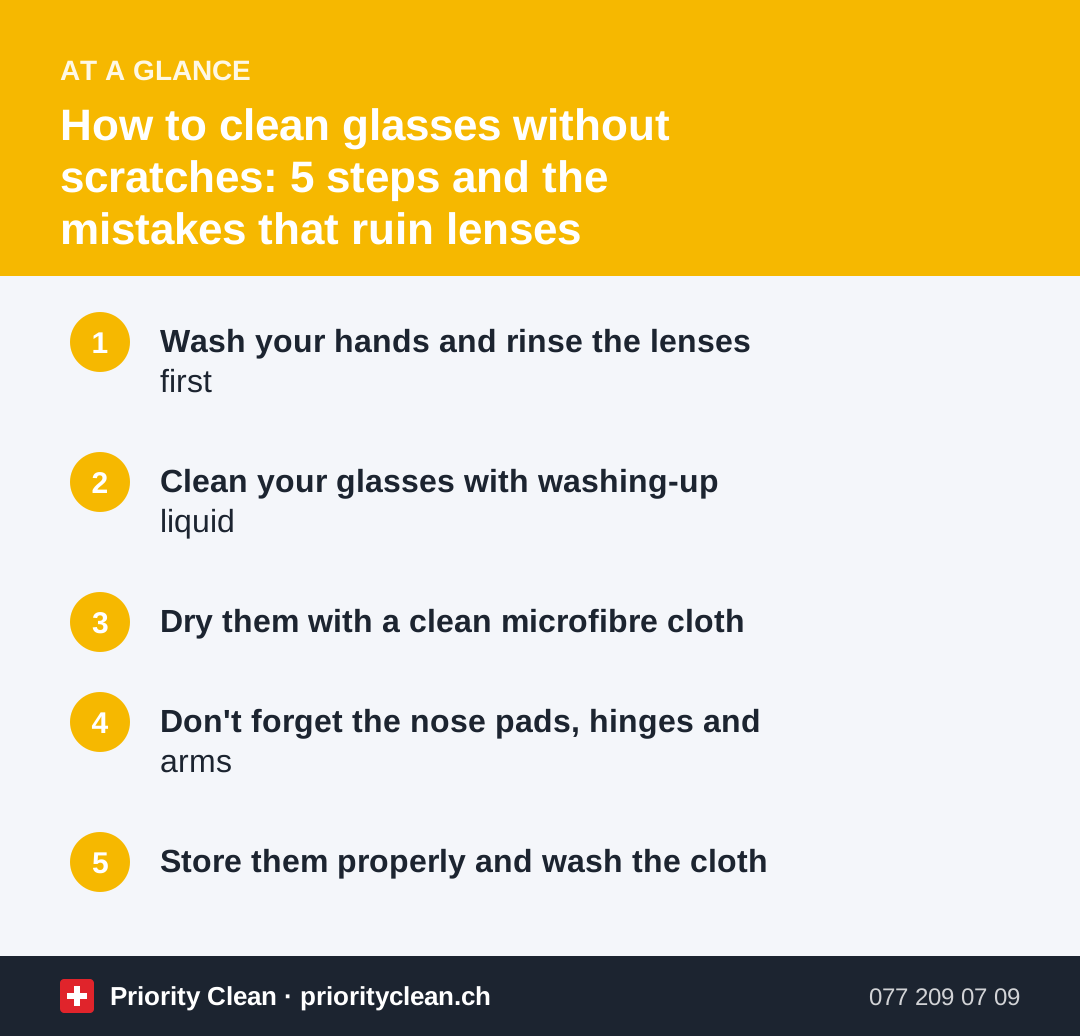
1. Wash your hands and rinse the lenses first
Wash your hands first, or you will put skin oil and hand cream straight back onto the lenses. Then hold your glasses under a gentle stream of lukewarm water. This rinses away dust and grains of sand before anything touches the lenses.
Lukewarm means comfortable for your hands. Hot water can damage the coatings over time.
2. Clean your glasses with washing-up liquid
- Put a small drop of mild washing-up liquid without moisturisers on your fingertips.
- Gently rub both sides of each lens with your fingers, without scraping with your nails.
- Lather the frame, arms and nose pads too – that is where skin oil and sweat collect.
- Rinse thoroughly under lukewarm water until no foam remains.
That is all it takes. In its guide to household remedies instead of lots of cleaning products, the Swiss consumer foundation Stiftung für Konsumentenschutz shows that a few simple products and the right tools are enough for most cleaning jobs. Vinegar, lemon juice or alcohol, useful as they are around the home, do not belong on coated lenses, however.
3. Dry them with a clean microfibre cloth
Let the water drip off for a moment, then soak up the last drops with a clean microfibre cloth. Finish by polishing with light, circular movements. Leaving them to air-dry is not a good idea: with the hard tap water found in many Swiss communes, limescale marks stay behind on the lenses.
A cloth is only as good as its condition. If it spends weeks loose in a coat pocket, it collects dust and skin oil – and spreads both back onto the lenses.
4. Don't forget the nose pads, hinges and arms
Sweat, skin oil and make-up build up on the nose pads and the ends of the arms. It is not just unsightly – it can smell, too. Once a week, clean these areas more thoroughly:
- Nose pads: brush them gently with a soft, clean toothbrush and soapy water.
- Hinges and screws: brush them with the toothbrush and rinse well.
- Ends of the arms: wipe them with soapy water, then dry.
Your optician can replace yellowed or hardened nose pads. Many opticians also clean glasses in an ultrasonic bath and adjust bent frames – just ask.
5. Store them properly and wash the cloth
Never put your glasses down lens-first on the table; rest them on the arms or put them in their case. In a pocket or bag without a case, keys and coins rub against the lenses. In summer, don't leave them behind the windscreen: heat can damage the coatings and the frame.
Wash the lens cloth regularly, by hand or in the machine, without fabric softener. If it has a care label, follow it; the GINETEX care symbols index explains what the symbols mean. You will find more tips in our guide on how to wash microfibre cloths.
Sunglasses, ski goggles and misted-up lenses
- Sunglasses: clean them just like prescription glasses. After sand, sun cream or salt water, always rinse first; mirrored lenses are particularly easy to scratch.
- Ski goggles: the inside often has an anti-fog coating. Don't rub it, especially when it is wet – let it air-dry and follow the manufacturer's instructions.
- Misted-up lenses: when you come in from the cold, wait a moment for the lenses to adjust instead of wiping them straight away.
Screens need the same gentle touch, by the way: our guide on how to clean your phone screen shows how.
5 mistakes that ruin spectacle lenses
- Rubbing them dry with a T-shirt, jumper or tissue: dust and fibres act like sandpaper.
- Breathing on them and wiping: breath doesn't lift dust – the grains stay and scratch.
- Household cleaners, methylated spirits, vinegar or acetone: they can attack the coatings and plastic frames.
- Hot water, the dishwasher or the dashboard: heat can make the coatings crack.
- Putting them down lens-first: the surface rubs against tables and shelves.
Frequently asked questions
Can you clean glasses with washing-up liquid?
Yes. A drop of mild washing-up liquid without moisturisers in lukewarm water is the gentlest everyday method. Then rinse thoroughly and dry with a clean microfibre cloth.
Can you clean lenses with alcohol?
It is best to avoid methylated spirits or pure alcohol, as both can attack the coatings and the frame. Lens sprays from the optician are made for coated lenses; use them as directed.
How often should you clean your glasses?
Ideally every day with water and washing-up liquid, and in between with the microfibre cloth when needed – but only after rinsing or blowing off the dust. For the nose pads and hinges, a more thorough clean once a week is enough.
Can scratches be removed from lenses?
No. Home remedies such as toothpaste or polishes wear the coatings down further and make things worse. If scratches affect your vision, ask your optician for advice.
Thanks for your feedback! Feel free to share the guide.
Thanks! What was missing? Drop us a line – we will improve the guide. WhatsApp