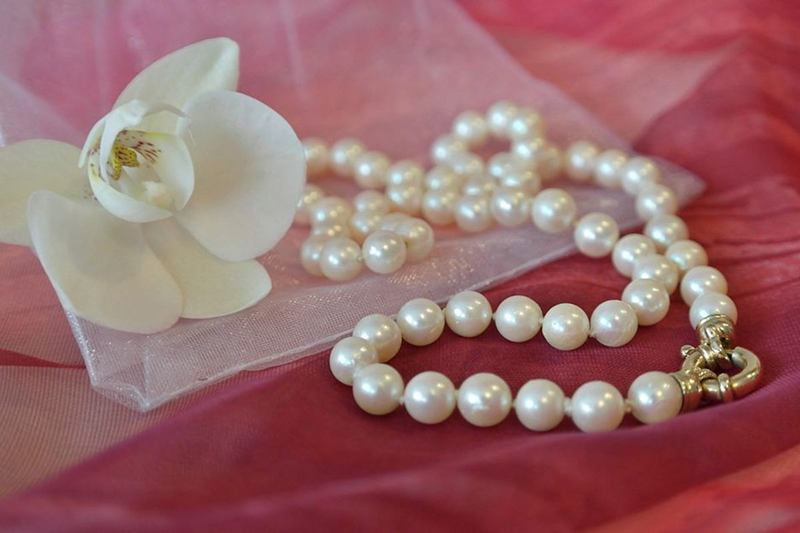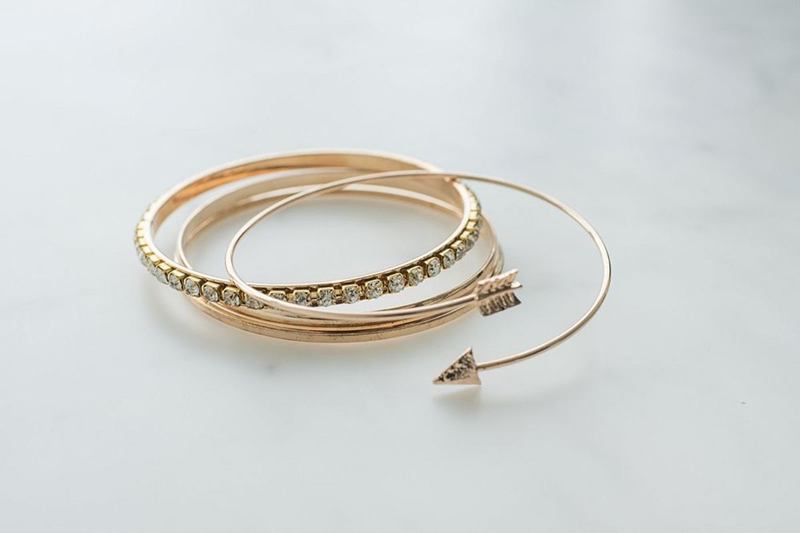
The statement necklace no longer sparkles, the hoops have darkened, and after a long day a green ring shows on your finger. Costume jewellery is affordable and versatile, but far more delicate than gold or silver. So when it comes to how to clean costume jewellery, one rule matters more than any other: use as little water as possible.
Beneath the shiny surface there are usually base metals, a wafer-thin coating and glued-in stones. Five simple rules keep your favourite pieces looking good for longer – from a quick dry wipe to airtight storage.
Why costume jewellery tarnishes or turns skin green
The base of costume jewellery is usually brass, copper, a zinc alloy or stainless steel. It is often covered with a very thin layer of gold, silver or rhodium, sometimes with an extra protective lacquer. Glass or plastic stones are normally glued in, and many rhinestones have a mirrored back that makes them sparkle.
As long as the coating is intact, the piece shines. Friction, sweat, perfume and cream gradually wear it away, though. The metal underneath then reacts with air and moisture and darkens.
The green mark on your skin usually comes from copper in the alloy: combined with sweat and acids on the skin, it forms greenish compounds. This is generally harmless and washes off with soap and water. If your skin itches or turns red, however, it could be a contact allergy, often to nickel. Take the jewellery off and have the reaction checked by a doctor.
| Problem | Likely cause | What helps |
|---|---|---|
| Dark, dull patches | Plating worn off, metal oxidised | Polish dry, store airtight from now on |
| Green mark on the skin | Copper reacting with sweat | Wash the skin, protect the inside of the piece |
| Cloudy rhinestones | Moisture behind the stone | Clean dry only |
| Loose stones | Glue weakened by water or heat | Keep the stone and glue it back in |
| Itchy, red skin | Possible contact allergy | Stop wearing it, see a doctor |
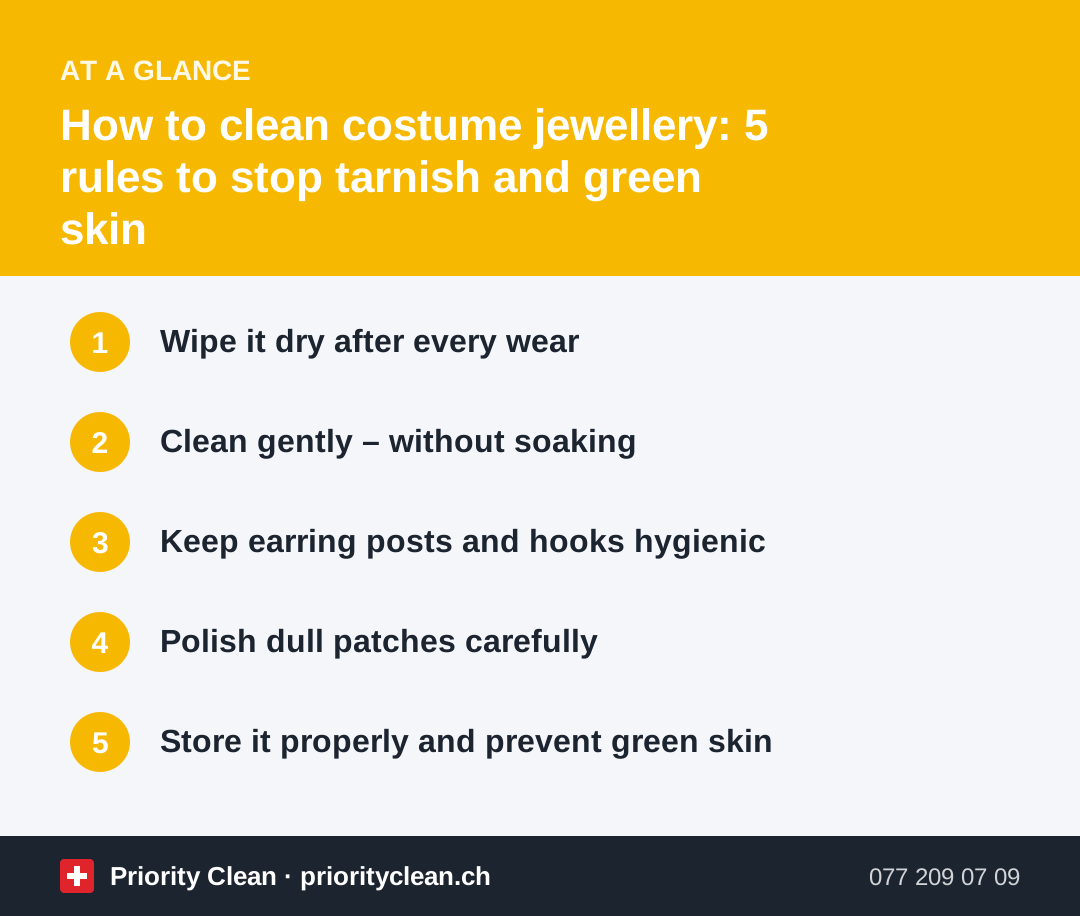
1. Wipe it dry after every wear
The most important care takes half a minute: after wearing necklaces, rings and earrings, wipe them with a soft, dry cloth. This removes sweat, skin oils and perfume residue before they attack the coating.
A glasses cloth or a clean microfibre cloth works well. Wash the cloth regularly so you don't spread dirt around – our guide on how to wash microfibre cloths explains how to do it without fabric softener.
2. Clean gently – without soaking
If a piece is visibly dirty, clean it with as little water as possible:
- Dip a soft cloth in lukewarm water with a drop of mild washing-up liquid and wring it out very well.
- Gently wipe the metal parts, avoiding stones and glued areas.
- Wipe again with a second cloth dampened with clean water only.
- Pat dry straight away and let the piece dry completely on a towel before putting it away.
Why no bath? Water seeps under glued stones and behind the mirrored backs of rhinestones, which then turn cloudy. It dissolves glue and gets trapped in hollow parts and links, where the metal tarnishes from the inside.
3. Keep earring posts and hooks hygienic
Posts, hooks and backs are in direct contact with your skin and collect sebum and skin flakes. Dab these metal parts regularly with a cotton bud and a little alcohol, such as isopropyl alcohol from a chemist's or pharmacy. Alcohol is one of the simple household products that the Swiss consumer protection foundation recommends instead of lots of special products.
- Only dab the metal, never stones, pearls or lacquered or enamelled surfaces – alcohol can attack lacquer and glue.
- Wash silicone earring backs in soapy water and dry them well.
- Let the alcohol evaporate before wearing or storing the piece.
If your earlobes stay irritated despite clean posts, ask a pharmacist or a doctor for advice.
4. Polish dull patches carefully
Lightly tarnished patches can be polished with a soft, dry cloth and very little pressure. Dust between stones and settings comes out with a clean, dry make-up brush or a soft toothbrush.
On plated jewellery, go easy: every polish removes a little of the thin layer. Once the base metal shows through, it can't be undone at home. A jeweller can re-plate some pieces, but for inexpensive jewellery it is rarely worth it. Fine jewellery follows its own rules – see our guides on how to clean gold jewellery and how to clean silver.
5. Store it properly and prevent green skin
Air and moisture make costume jewellery tarnish, so store it dry and, if possible, airtight. Small zip-lock bags or a box with a lid are ideal, each piece on its own so nothing gets scratched or tangled. A silica gel sachet saved from a shoebox absorbs leftover moisture. With all its steam, the bathroom is the worst place for jewellery.
The order matters too: perfume, hairspray and cream first, jewellery last. Take it off before showering, swimming, sport, cleaning and going to bed.
Common mistakes when cleaning costume jewellery
- Soaking or rinsing: glue gives way, rhinestones cloud over and hollow parts tarnish from the inside.
- Ultrasonic cleaners and silver dips: stones fall out and the plating suffers.
- Toothpaste, baking soda, vinegar or lemon: they scratch or eat away at the thin layer.
- Heat: a hot hairdryer or a radiator loosens glued stones.
- Leaving it out in the bathroom: moisture is the quickest route to dark spots.
Frequently asked questions
Can you clean costume jewellery with water?
Only sparingly: use a barely damp cloth and a little soap, then dry it immediately. Soaking or rinsing it under the tap damages glue, plating and rhinestones. Solid stainless steel without stones is the exception.
Why does costume jewellery turn my skin green?
The alloy usually contains copper, which forms greenish compounds with sweat, perfume or cream. The mark washes off. If your skin itches or turns red, stop wearing the piece and see a doctor.
How should I store costume jewellery so it doesn't tarnish?
Dry, airtight and separately, for example in small zip-lock bags or a box with a lid. A silica gel sachet absorbs leftover moisture. The bathroom is too humid.
Can tarnished costume jewellery be saved?
A light film can often be polished off dry. Once the plating has worn through and the base metal shows, nothing more can be done at home. Re-plating by a jeweller is the only option, and it is rarely worth it for an inexpensive piece.
Thanks for your feedback! Feel free to share the guide.
Thanks! What was missing? Drop us a line – we will improve the guide. WhatsApp