Your wedding ring looks dull, your chain has lost its warm glow and a grey film has formed behind the stone. Gold itself doesn't rust, but skin oils, soap, hand cream and dust gradually coat it. Knowing how to clean gold jewellery doesn't mean buying expensive special products or scrubbing hard: lukewarm water, a little washing-up liquid, a soft brush and some knowledge about the stones are enough.
Winter is a good time for a thorough clean, as rings are worn under gloves and with rich hand creams. Here are five gentle methods for home use – with clear limits wherever pearls, opals or glued-in stones are involved.
Why gold jewellery loses its shine
Pure gold doesn't tarnish, but it is too soft for jewellery. Rings and chains are therefore almost always alloys with silver, copper, zinc or palladium. The hallmark tells you the gold content: 750 means 18 carat, 585 means 14 carat and 375 means 9 carat. The lower the gold content, the more easily the surface can discolour slightly on contact with sweat, chlorine or cosmetics.
Most of the time, though, the loss of shine is simply a build-up of skin oils, soap and cream residue, make-up and dust lodged in the links, engravings and under the settings. Light no longer passes through the stone, and even a diamond looks grey. Before you start, work out what you are dealing with:
| Type of jewellery | What to watch out for |
|---|---|
| Solid gold (750, 585, 375) | Copes well with a soapy bath and a soft brush |
| White gold | Usually rhodium-plated: the bright layer wears off, and a yellowish tinge is not dirt |
| Gold-plated or rolled gold | Only a layer of gold over another metal – don't rub or polish |
| With stones or pearls | Clean according to the most delicate part (method 3) |
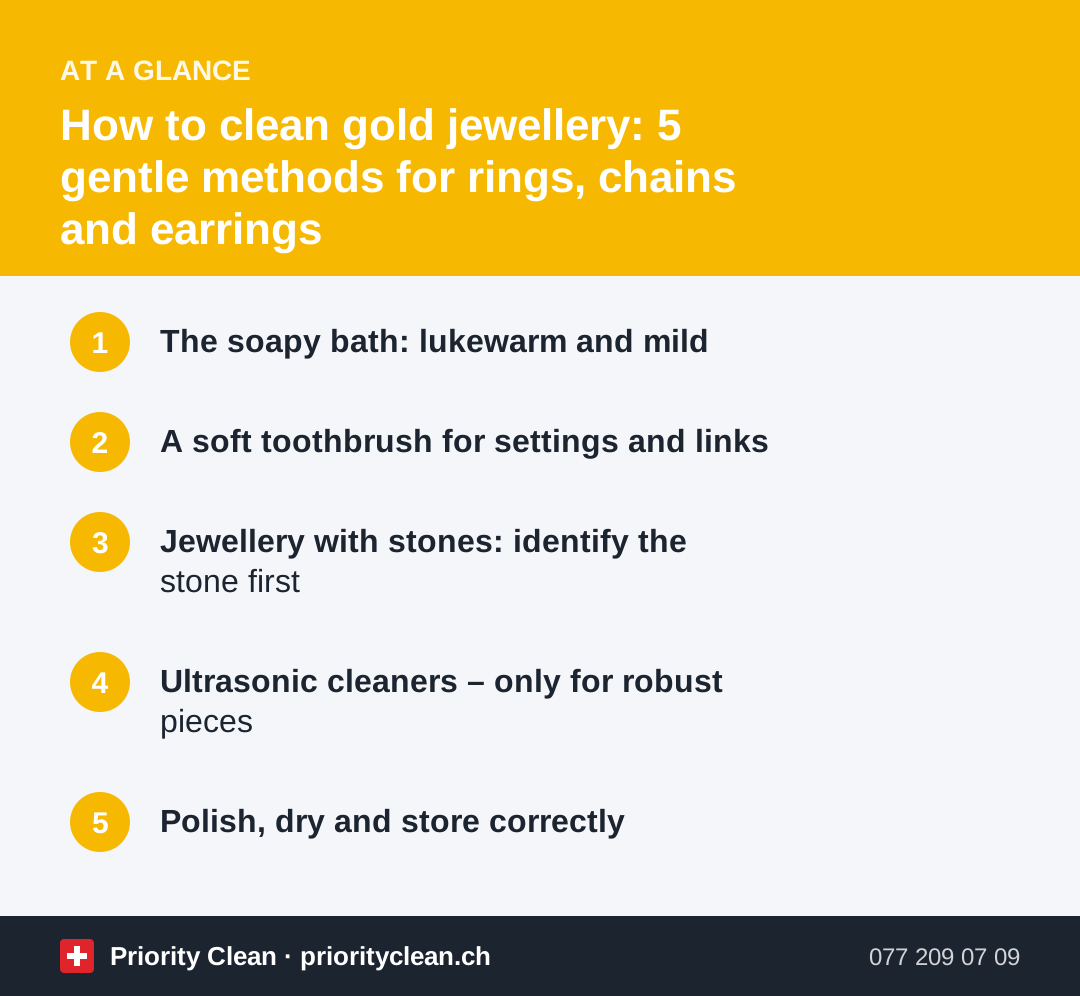
1. The soapy bath: lukewarm and mild
For solid gold jewellery without delicate stones, a soapy bath is the best basic clean:
- Work in a bowl, or close the plughole of the basin with the plug.
- Mix lukewarm (not hot) water with a drop of mild washing-up liquid or a little curd soap.
- Leave the jewellery to soak for 10–15 minutes so greasy residue loosens.
- Brush gently with a soft brush (see method 2).
- Rinse thoroughly in lukewarm water until no soap is left.
- Pat dry with a lint-free cloth and let the pieces finish drying in the air.
You don't need special cleaners: curd soap is one of the simple household products that the Swiss consumer protection foundation recommends instead of lots of special products.
2. A soft toothbrush for settings and links
A new, soft toothbrush used only for jewellery reaches places a cloth can't:
- Settings and prongs: dirt collects mainly on the back of the setting. Brush there gently, without pressing.
- Chains: lay the chain flat in your palm and brush in the direction of the links. Don't forget the clasp.
- Earrings: posts and backs collect skin residue. You can also wipe the metal parts with a cotton bud and a little alcohol – but not over stones or pearls.
If a stone wobbles, a prong is bent or the clasp no longer closes properly, take the piece to a jeweller before anything gets lost.
3. Jewellery with stones: identify the stone first
When cleaning gold jewellery with stones, it is not the gold that decides but the most delicate part. Hard gemstones are robust; organic, porous or glued stones are not:
| Stone | Soapy bath | Ultrasonic | How to clean it |
|---|---|---|---|
| Diamond, sapphire, ruby | Yes, briefly | Only if securely set and untreated | Soapy bath and soft brush |
| Emerald | No | No | Damp cloth, soft brush |
| Opal | No, and no heat | No | Barely damp cloth, dry at once |
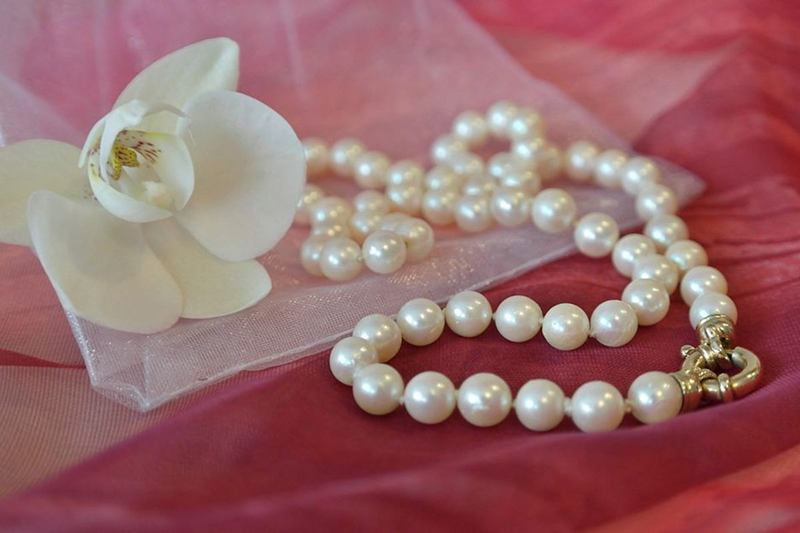
| Pearls, coral, amber | No | No | Soft, barely damp cloth |
| Turquoise, lapis lazuli, malachite | No | No | Dry or barely damp cloth |
| Glued stones, rhinestones | No | No | Brush dry |
Emeralds are often treated with oil, opals react to heat and sudden temperature changes, and porous stones absorb soap and water. Pearls need their own routine, explained in our guide on how to clean pearls.
4. Ultrasonic cleaners – only for robust pieces
In an ultrasonic bath, tiny bubbles loosen dirt from crevices, but not every piece can take it:
- Suitable: solid gold without stones and pieces with securely set, untreated diamonds, sapphires or rubies.
- Not suitable: all the delicate stones in the table, treated stones, gold-plated items and costume jewellery.
- Check first: the vibration can shake stones loose from worn settings.
Follow the device's instructions. For heirlooms or valuable stones, having them cleaned by a jeweller is the safer choice.
5. Polish, dry and store correctly
After cleaning, a soft, dry cloth brings back the shine. A gold polishing cloth is only suitable for solid pieces: it removes a tiny amount of metal and would eventually wear through gold plating.
Storage matters just as much. Gold is soft, and diamonds or sapphires will scratch it if everything is thrown into one dish. Give each piece its own compartment or fabric pouch and fasten chains so they don't tangle. With its humidity, the bathroom is not the right place for your jewellery box.
Common mistakes when cleaning gold jewellery
- Toothpaste: its abrasive particles leave fine scratches and can wear away gold plating.
- Cream cleansers, baking soda or salt paste: they act like sandpaper on the soft metal.
- Bleach and chlorine: they attack gold alloys, discolour them and can make the metal brittle over time.
- Hot water: it damages opals and can loosen glued stones.
- Rinsing over an open drain: a small stud earring disappears faster than you think.
Silver follows its own rules, explained in our guide on how to clean silver.
Frequently asked questions
How do I clean gold jewellery with household products?
Soak it for 10–15 minutes in lukewarm water with a drop of washing-up liquid or a little curd soap, brush it with a soft toothbrush, rinse well and pat dry. This only applies to pieces without delicate stones.
Can gold jewellery go in an ultrasonic cleaner?
Solid gold without stones and pieces with securely set, untreated diamonds usually can, following the device's instructions. Pearls, opals, emeralds, turquoise and glued or treated stones should never go in.
Why does gold jewellery go dark?
Usually it is a film of skin oils, cream and soap. Lower-carat gold such as 375 also contains a lot of copper and silver, which can react with sweat, chlorine or cosmetics.
How often should I clean gold jewellery?
Rings worn every day can have a soapy bath every few weeks; pieces worn rarely only when needed. A soft cloth after wearing is enough in between, and an annual check by a jeweller is a good habit.
Thanks for your feedback! Feel free to share the guide.
Thanks! What was missing? Drop us a line – we will improve the guide. WhatsApp