Under the chest of drawers you inherited from your grandmother there is a small heap of pale powder, and tiny round holes dot the back panel. The obvious suspect: woodworm. This is usually the larva of the common furniture beetle, which tunnels through the wood for years before the adult beetle flies out.
No need to panic: not every hole means an active infestation, and many pieces of furniture can be saved. These five steps show you how to assess the situation, clean up the bore dust properly and recognise when treatment should be left to a specialist.
How to recognise woodworm
According to the City of Zurich's woodworm fact sheet (in German), the common furniture beetle is the most frequent pest in old wooden furniture, works of art and musical instruments. The females lay their eggs in cracks and pores of untreated wood. The larvae then spend several years eating tunnels inside it. Only the adult beetle bores its way out, leaving the typical round exit holes of 1 to 2 mm in diameter.
The larvae need damp wood: according to the fact sheet, they require a wood moisture content of at least 10 to 15 per cent. Furniture in centrally heated living rooms is therefore rarely at risk. The problem areas are damp cellars, cool attics, holiday chalets and barns, where old furniture is often stored for years.
| Sign | What it means |
|---|---|
| Round holes with dark, dirty edges | Probably an old infestation that has died out |
| Holes with pale, sharp edges | Possibly fresh exit holes |
| Fine, pale dust that keeps trickling out | A sign of active infestation – keep a close eye on it |
| Wood gives way when pressed or crumbles | Severe infestation – have its stability checked by a specialist |
Important: the City of Zurich points out that trickling wood dust is not always proof of a live infestation. It can also fall out of old tunnels when the furniture is moved or knocked.
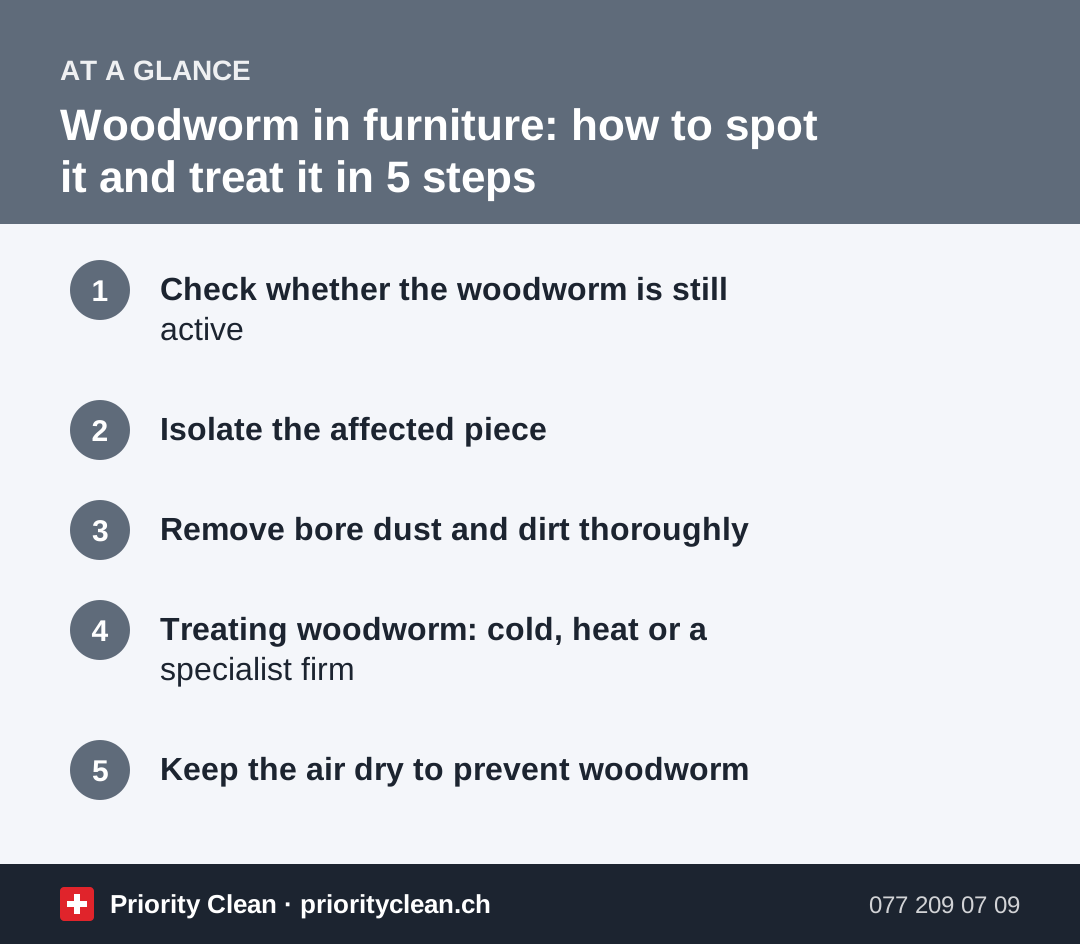
1. Check whether the woodworm is still active
Before you treat anything, find out whether there are still larvae living in the wood:
- Vacuum up all the bore dust around and inside the piece.
- Lay a sheet of dark paper underneath it and in the drawers.
- Leave the piece where it is for the next few weeks and check it regularly.
- If fresh, pale dust appears on the paper again, the infestation is probably active.
The adult beetles mostly emerge in the warmer months, so fresh holes and new bore dust are often noticed in spring and summer.
2. Isolate the affected piece
If you suspect an active infestation, keep the piece away from other wooden items. Do not banish it to the attic or cellar next to other antiques – it is cooler and damper there, and the beetles could spread to more furniture. Pack small items such as picture frames, carvings or boxes in a tightly sealed plastic bag.
If you rent and the infestation affects fitted units, wood panelling, parquet or the roof structure, inform your property management straight away. According to the fact sheet, infested structural timber must be assessed by a licensed wood-protection company.
3. Remove bore dust and dirt thoroughly
The fine bore dust quickly spreads into cracks, drawers and across the floor. To clean up properly:
- Vacuum: use the crevice nozzle to go over the holes, cracks, drawer runners and the area around the piece.
- Dispose of the vacuum bag: put it in a sealed bag and throw it out with the household rubbish instead of leaving it in the attic.
- Wipe with a barely damp cloth: use a well wrung-out cloth on the surfaces. Too much water damages wood – and moisture is exactly what woodworm likes.
- Clean the floor: wipe the area under the piece with a damp mop so you will spot new dust immediately when you check.
For gentle care of the piece afterwards, see our guide on how to care for wooden furniture.
4. Treating woodworm: cold, heat or a specialist firm
The right treatment depends on the size, value and condition of the piece:
- Cold: according to the City of Zurich, small items can be frozen. Wrap the item airtight so that no condensation gets into the wood as it thaws, and let it come back to room temperature slowly while still wrapped. For valuable pieces, agree the duration and method with a furniture restorer first.
- Heat or fumigation: according to the fact sheet, heat treatment at around 55 °C or fumigation is only possible under controlled conditions and is a job for professionals. Improvised attempts with an oven, sauna or fan heater can crack the wood and are a fire hazard.
- Wood preservative: small parts made of untreated wood can be treated with a wood preservative. Varnished or waxed surfaces hardly absorb it.
- Specialist firm: for antiques, severe infestations or load-bearing parts, a specialist is the right choice.
5. Keep the air dry to prevent woodworm
The best prevention is dry wood. The City of Zurich's fact sheet recommends storing furniture in dry conditions. In everyday terms, that means:
- Keep valuable wooden furniture in heated living spaces rather than in damp cellars or barns.
- Leave a little space between the furniture and outside walls so air can circulate.
- Air and check the attic and cellar regularly. Our tips: clearing out the cellar and attic.
- Check second-hand furniture from flea markets or house clearances for holes and bore dust before bringing it indoors.
Damp wood does not only attract insects, by the way. If you see dark stains, read our guide on mould on wood.
Common mistakes with woodworm
- Treating every hole as an active infestation: old, dark holes are often decades old. Only fresh bore dust gives you certainty.
- Banishing the piece to the attic: it is usually damper there, and the infestation can spread to other items.
- Spraying insecticide at random: household sprays do not reach larvae deep in the wood and pollute the indoor air.
- Cleaning with lots of water: water raises the moisture content of the wood and makes it more attractive to larvae.
- Treating roof timbers yourself: load-bearing parts are always a job for a specialist.
Frequently asked questions
Is woodworm dangerous to people?
No, neither the larvae nor the beetles attack people. Over time, however, they weaken the wood. For furniture this mainly means a loss of value; in load-bearing parts, stability can be affected.
How can I tell if woodworm is still active?
Vacuum up the bore dust and lay dark paper under the piece. If fresh, pale dust appears on it after a few weeks, or new holes with pale edges have formed, the infestation is probably active.
Can I get rid of woodworm myself?
Freezing is an option for small items, and small untreated parts can be treated with a wood preservative according to the label. Heat treatment, fumigation, valuable antiques and roof timbers are a job for specialists.
Does woodworm attack furniture in a heated flat?
Rarely. The larvae need a certain moisture content in the wood, which is usually not reached in centrally heated rooms. Furniture in damp cellars, attics or holiday homes is most at risk.
Thanks for your feedback! Feel free to share the guide.
Thanks! What was missing? Drop us a line – we will improve the guide. WhatsApp