A packet costs a few francs, every Swiss drugstore stocks it, and it shifts the grease that clings to baking trays and extractor hood filters. Washing soda – sold here as soda crystals or Waschsoda – is one of the most effective helpers in the house, but it is also one that demands gloves and a few clear rules.
Because it is not the same thing as bicarbonate of soda. Sodium carbonate attacks grease and protein far more aggressively, yet it damages materials that bicarbonate leaves untouched. These five uses show where the powder really pays off during the spring clean – and where to leave it in the cupboard.
Washing soda or bicarbonate of soda: the difference that matters
The two powders look alike and sit on the same shelf, but they are different substances. Bicarbonate of soda is mild. Washing soda is sodium carbonate, and dissolved in water it forms a far more alkaline solution that breaks grease down instead of merely softening it.
That is exactly what makes it powerful and awkward at the same time: the solution dries out skin, irritates eyes and airways, and dulls delicate surfaces. The Swiss consumer protection foundation nevertheless counts soda among the household staples that replace a shelf full of specialist cleaners – provided you use them in the right places.
| Bicarbonate of soda | Washing soda | |
|---|---|---|
| Chemical name | Sodium bicarbonate | Sodium carbonate |
| Action | mild | strongly alkaline |
| Best at | odours, light soiling | grease, dried-on residue, soaking |
| Protection | usually none needed | gloves, eye protection |
Our guide on baking soda cleaning explains when the gentler powder is the better choice.
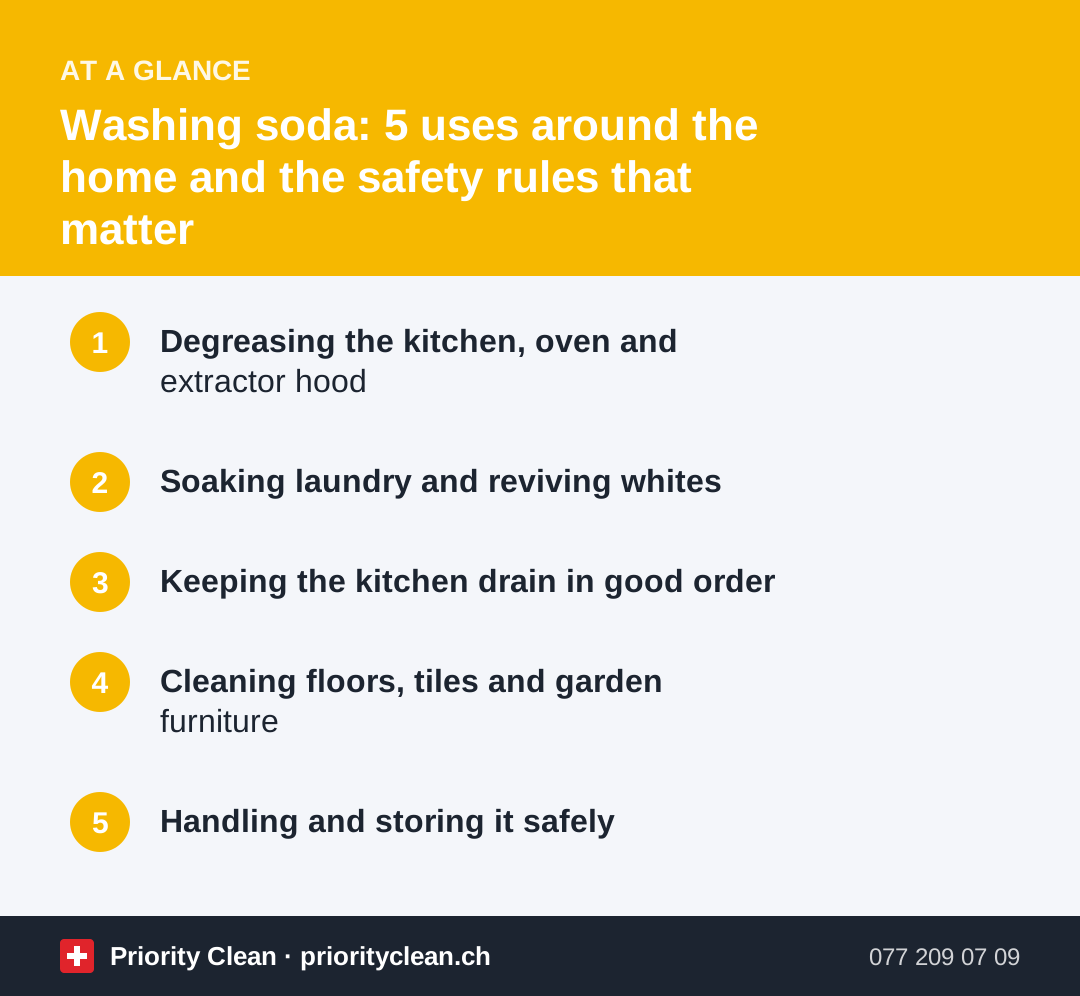
1. Degreasing the kitchen, oven and extractor hood
This is where washing soda shines. Dissolve the amount stated on the pack in hot water, then soak the baking tray, the grill rack or the metal filter from the extractor hood. The film of grease lifts off with barely any scrubbing.
On vertical surfaces, soak a cloth in the solution and lay it on as a compress. Afterwards rinse thoroughly with clean water: any residue left behind dries to a dull film. Avoid it on ovens with damaged enamel, on aluminium trays and on non-stick pans.
2. Soaking laundry and reviving whites
Washing soda binds the limescale in the water and so supports your detergent. Tea towels, work clothes and yellowed whites can be soaked in a soda solution before the wash; the amount and the soaking time are on the pack. After that, wash as usual.
What must stay out: wool, silk and anything with animal fibres. These protein fibres are attacked by the solution and come out rough and lifeless. Treat items marked for hand washing with the same caution, and always test coloured fabrics on a hidden seam first.
3. Keeping the kitchen drain in good order
For routine care, pour the amount stated on the pack into the drain and flush with plenty of hot water. That keeps the grease deposits in the trap moving before they can build into a plug.
One caveat: this is maintenance, not a rescue. If the water is already standing, a plunger and a clean-out of the trap will do more – see Blocked kitchen sink. And never tip a chemical drain cleaner in on top: that combination is unpredictable.
4. Cleaning floors, tiles and garden furniture
On tiles, porcelain stoneware and lacquered plastic furniture, washing soda deals with greasy films and grey haze. Plastic garden furniture comes back bright in spring. Always wipe over with clean water afterwards.
These materials, on the other hand, are off limits:
| Material | Why soda damages it |
|---|---|
| Aluminium | The solution attacks the metal, which darkens and goes dull |
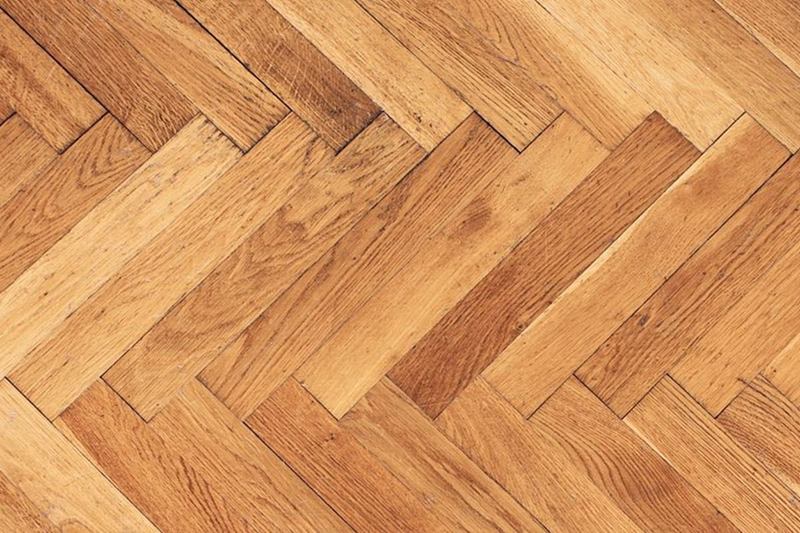
| Bare or oiled wood | Fibres swell, the surface turns rough and blotchy |
| Wool, silk, leather | Protein fibres are damaged |
| Natural stone, marble | Polish and surface can lose their shine |
| Linoleum, delicate lacquers | The protective layer suffers |
For oiled wooden floors and furniture, reach for a suitable product such as soft soap instead.
5. Handling and storing it safely
Soda deserves the same respect as a cleaner bought off the shelf. Cheminfo, the federal chemicals portal, advises you to read the instructions and safety advice before use and to store products out of children's reach – ideally locked away and higher than 160 centimetres.
The most common mistakes
- Confusing soda with bicarbonate: what is harmless with bicarbonate can ruin a surface with washing soda.
- Mixing it with vinegar or citric acid: acid and alkali cancel each other out, it fizzes, and almost no cleaning power is left. The genuinely dangerous combinations are covered in mixing cleaning products.
- Working without gloves: skin dries out and cracks, especially in hot water.
- Skipping the rinse: dried soda residue leaves a whitish film on glass and tiles.
- Using it on aluminium: aluminium trays and pans darken permanently.
Frequently asked questions
What is the difference between washing soda and bicarbonate of soda?
Bicarbonate of soda is sodium bicarbonate and mild; washing soda is sodium carbonate and much more alkaline. Soda dissolves grease and dried-on residue better, but attacks aluminium, wood, wool and silk. The two are not interchangeable.
How much washing soda should I use?
Follow the dosage on your product's pack – it varies between manufacturers and between uses. Using more does not clean better; it simply leaves residue that you then have to rinse away.
Can I put washing soda in the washing machine?
It is often used to soak cotton and whites before the wash. For the machine itself, follow the appliance manual and the product packaging. Wool, silk and delicate colours should never go into a soda solution.
Can I combine washing soda and vinegar?
Better not. The two neutralise each other and what remains is mostly foam and salty water. As a rule, never mix two cleaning products: use them one after the other and rinse well in between.
Thanks for your feedback! Feel free to share the guide.
Thanks! What was missing? Drop us a line – we will improve the guide. WhatsApp