In many households it sits right at the back of the cleaning cupboard: a soft, usually greenish or brownish paste. Soft soap (Schmierseife in German) is one of the oldest cleaning products there is – and one of the most versatile. It cuts grease, cleans wooden and stone floors and even earns its place on the balcony during the spring clean.
The catch: use too much and you are left with a sticky film and streaks. These five uses show where it really pays off and how to get the dose right.
What soft soap is and how it works
Soft soap is made by saponifying vegetable oils and fats with potash lye. That is why it is also called potassium soap: unlike a hard bar, it stays soft and dissolves quickly in warm water. It is mildly alkaline and surrounds particles of grease and dirt so that they rinse away with the cleaning water.
The Swiss consumer protection foundation shows that a handful of household remedies such as vinegar, citric acid, soda, bicarbonate of soda and curd soap can replace many specialist cleaners. Soft soap fits that idea exactly: one product for many surfaces instead of one product per task.
| Soap | How it is made | Typical use |
|---|---|---|
| Soft soap (potassium soap) | Saponified with potash lye, stays soft | Cleaning water, garden furniture, grease |
| Curd soap | Saponified with caustic soda, sets hard | Stains, hand washing |
| Gall soap | Curd soap with added ox bile | Stubborn stains on textiles |
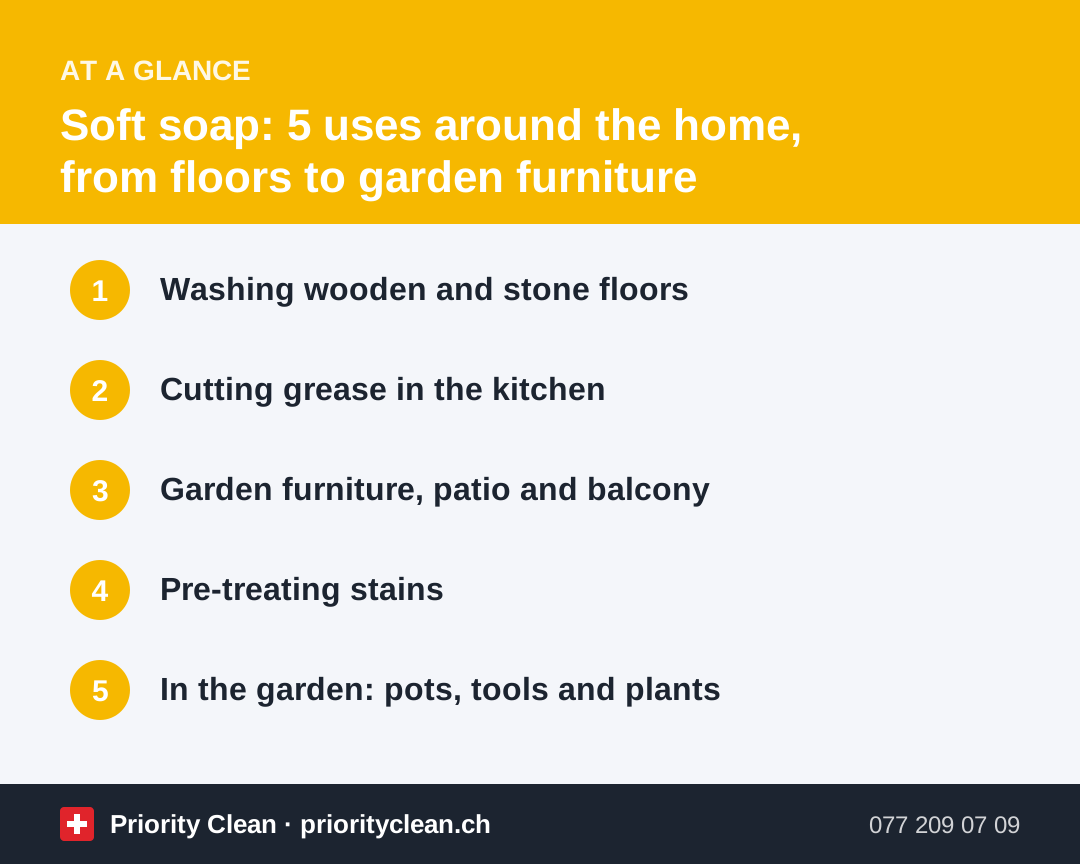
1. Washing wooden and stone floors
The classic use: a little soap in the cleaning water.
- Dissolve a tablespoon of soap in a bucket of warm water.
- Wring out the mop or cloth well – wood only tolerates a light mist of moisture.
- Work in strips and change the water as soon as it turns cloudy.
- If the dirt is heavy, go over the floor again with clean water.
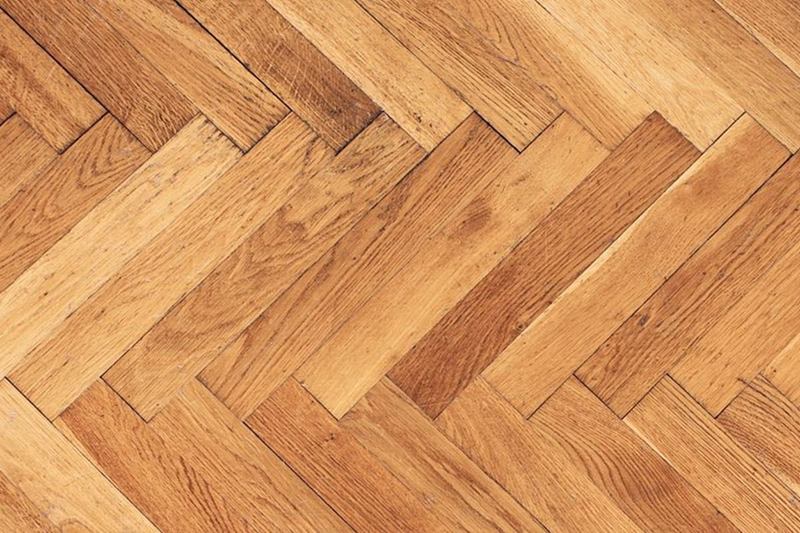
Oiled and untreated wooden floors, floorboards and many stone or tiled floors take soft soap well, and it leaves a thin, protective film. On sealed parquet and laminate, however, streaks appear easily – a pH-neutral cleaner is the better choice there. The rules for natural stone are explained in our guide on how to clean natural stone floors.
2. Cutting grease in the kitchen
Anything greasy is a job for soap:
- Cooker hood and grease filter: soak the filter in hot water with a little soap, then rinse and leave to dry.
- Baking trays and barbecue grills: soak rather than scrub, then finish with a brush.
- Kitchen fronts and tiles: wipe with a well-diluted solution, then go over with clean water.
On delicate surfaces such as untreated aluminium, high-gloss fronts or coated materials, test on a hidden spot first. Other home remedies and their limits are covered in our guide to homemade cleaning products.
3. Garden furniture, patio and balcony
In spring, the soap goes outside. For wooden, plastic and rattan furniture:
- Brush or rinse off the loose dirt first.
- Mix warm water with a little soft soap.
- Clean with a soft to medium-hard brush, following the grain.
- Rinse with clean water and leave to dry.
The same works on stone slabs, concrete and balcony floors. Avoid hard wire brushes and rinse off the residue well so the surface does not stay slippery. The details for each material are in our guide on how to clean garden furniture.
4. Pre-treating stains
Grease marks on work clothes, shirt collars or oil traces on textiles respond well to soft soap:
- Put a little soap on the dampened stain and work it in gently.
- Let it act briefly, but do not let it dry.
- Then wash as usual, following the care label.
On delicate colours and materials such as wool or silk, test on a hidden area first. Wool does not tolerate alkaline products well, so stick to wool detergent there. For stubborn stains on textiles, many people reach for gall soap as well.
5. In the garden: pots, tools and plants
Outdoors, soft soap is just as practical: flower pots, watering cans and garden tools come clean with warm soapy water and a brush. Rinse well and let everything dry before putting it away.
A soapy solution is also a well-known traditional remedy against aphids. For plant protection, however, garden centres sell products made for the purpose on a potassium soap basis, with clear instructions on dosage and use. Ask for advice there rather than mixing your own, and never treat plants in full sun.
Common mistakes
- Using too much: excess soap leaves a sticky film that attracts dust again quickly.
- Not rinsing: smooth floors end up streaky and the bathroom becomes slippery.
- Treating sealed parquet: there is no nourishing effect, only streaks.
- Working too wet: wood swells if water runs into the joints.
- Mistaking it for a disinfectant: it cleans thoroughly, but it does not disinfect.
Frequently asked questions
What can soft soap be used for?
For wooden and stone floors, greasy surfaces in the kitchen, garden furniture and patios, for pre-treating grease stains and for cleaning flower pots and garden tools. On sealed parquet and laminate, use a pH-neutral cleaner instead.
How much soft soap should I use for cleaning?
Sparingly: one tablespoon in a bucket of warm water is usually enough, and check the dosage on the packaging as well. Too much leaves a sticky film.
What is the difference between soft soap and curd soap?
Soft soap is made with potash lye and stays soft; curd soap is made with caustic soda and sets hard. Soft soap dissolves faster and suits cleaning water, while curd soap is better for stains and hand washing.
Does soft soap help against aphids?
Soapy solutions are a well-known traditional remedy against aphids. For plant protection, though, garden centres sell approved products on a potassium soap basis with clear instructions – ask for advice there rather than mixing your own.
Thanks for your feedback! Feel free to share the guide.
Thanks! What was missing? Drop us a line – we will improve the guide. WhatsApp