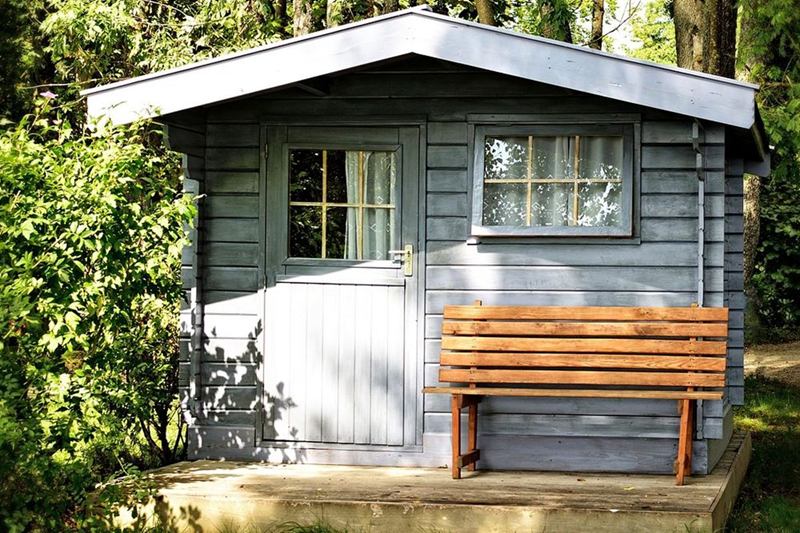
After winter, you open the door and are greeted by musty air, cobwebs and dust – and sometimes by small dark pellets on the shelf. If you want to clean a garden shed before the garden furniture, barbecue and lawnmower are needed again, pick a dry, mild day in March or April.
Whether it is a wooden hut at the bottom of the garden, a tool shed next to a detached house or a little cabin on an allotment, these five steps take you from clearing out and mouse traces to storing paints and plant protection products safely.
Why you should clean your garden shed in spring
Over the winter, a shed usually stands unheated and barely ventilated. Damp air condenses on walls and tools, cushions and sacks soak up moisture, and tools start to rust. Mice find shelter and nesting material, and spiders move in. The Federal Office for the Environment (FOEN) lists the typical signs of mice as droppings, gnaw marks, noises and an ammonia-like smell, and warns that rodents can transmit diseases and soil rooms with droppings and urine.
| What you find | What it means | What to do |
|---|---|---|
| Dark pellets the size of a grain of rice, gnaw marks | Mice | Dampen, remove with protection, seal the holes |
| Musty smell, mildew spots on cushions | Damp | Air the shed, wash and dry the textiles |
| Whitish or greenish film on wood | Possible mould | Brush it off outdoors, find the source of the damp |
| Cobwebs, dead insects | Normal after winter | Brush or vacuum them away |
| Swollen, rusty or unlabelled containers | Old chemicals | Sort them out wearing gloves and dispose of them |
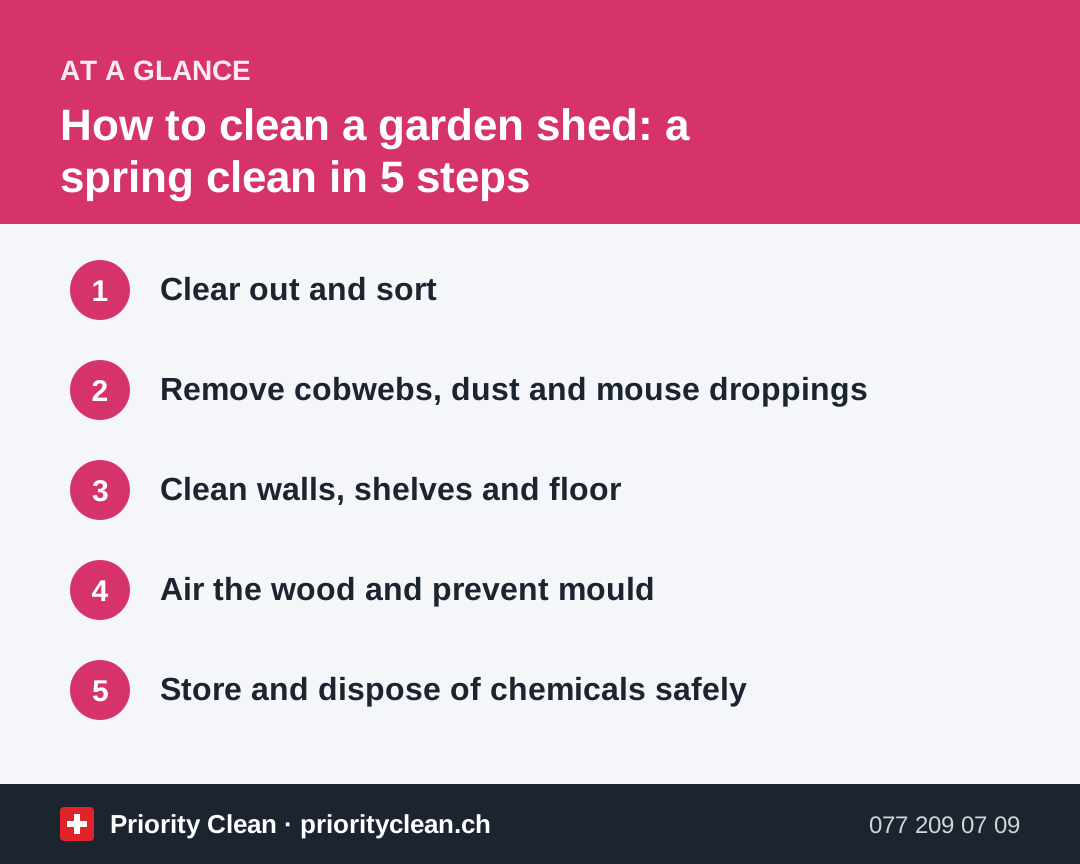
1. Clear out and sort
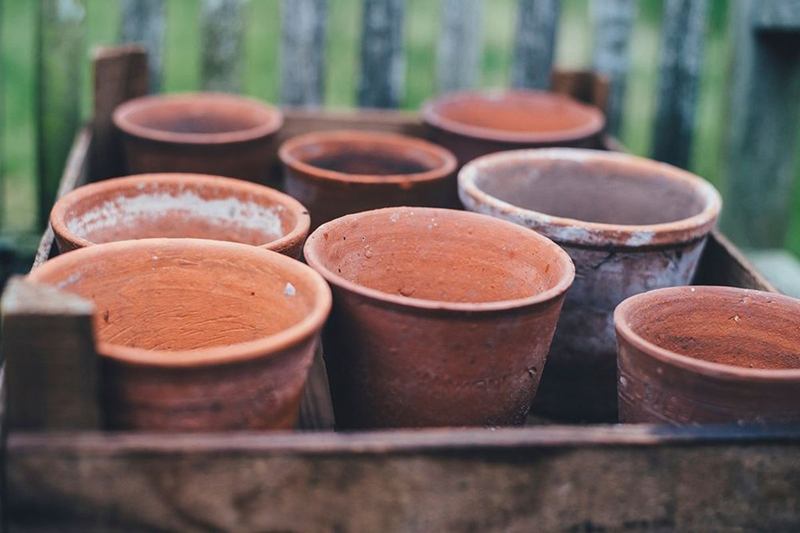
On a dry day, carry everything outside: tools, pots, sacks, cushions, bikes and boxes. Sort straight into three piles: keep, clean, get rid of. Broken tools go to the scrap metal collection, faulty electrical devices such as hedge trimmers or strimmers go back to a shop or a collection point, and larger amounts of junk go to your commune's bulky waste collection.
Wash musty garden cushions according to the care label and let them dry in the sun. For tables and chairs made of wood, plastic or metal, see our guide on how to clean garden furniture.
2. Remove cobwebs, dust and mouse droppings
Work from top to bottom: first the cobwebs on the ceiling and beams, using a broom or a long-handled brush, then the shelves and window sills. For stubborn webs, see our guide on how to remove cobwebs.
Mouse droppings call for different rules: don't sweep and don't vacuum, as this stirs up fine dust.
- Open the door and windows and air the shed well.
- Put on gloves and a well-fitting respirator mask, for example FFP2.
- Thoroughly dampen the droppings and the area around them with water and a household cleaner, then leave it to soak in briefly.
- Pick them up with kitchen paper, put them in a plastic bag, seal it and dispose of it with the household rubbish.
- Wipe the surface again, throw away the gloves and wash your hands thoroughly.
You will find detailed instructions in our guide on how to clean mouse droppings safely. To keep new mice out, look for gaps and holes: according to the FOEN, a pencil-thick opening is enough for a mouse. Seal gaps, cover ventilation openings with fine wire mesh and store seeds, bird food and pet food in tightly closing metal or glass containers. For a larger infestation, call in a pest control company.
3. Clean walls, shelves and floor
Wood does not cope well with a flood of water. Brush walls and shelves dry first, then wipe them with a well-wrung cloth and a little soft soap or mild all-purpose cleaner. Mop a wooden floor with a barely damp mop; a concrete or tiled floor can be scrubbed with water and a stiff broom. Leave the pressure washer out of the shed: it roughens wood and forces water into joints and cracks. Clean the windows and door seals too – intact seals keep rain and mice outside.
4. Air the wood and prevent mould
After cleaning, let the shed dry out properly with the door open before you put everything back. After the next rainfall, check whether the roof, roofing felt, windows or door sill let water in – wet patches give leaks away. Only put back cushions, sacks and boxes that are completely dry.
Brush small spots of mould off untreated wood outdoors while wearing a mask. What to do next, and when to call in a specialist, is explained in our guide on mould on wood. If you then treat the wood with oil or stain, be aware that cloths soaked in oil can catch fire on their own. After use, soak them completely in water and let them dry outdoors – never leave them crumpled up in the shed.
5. Store and dispose of chemicals safely
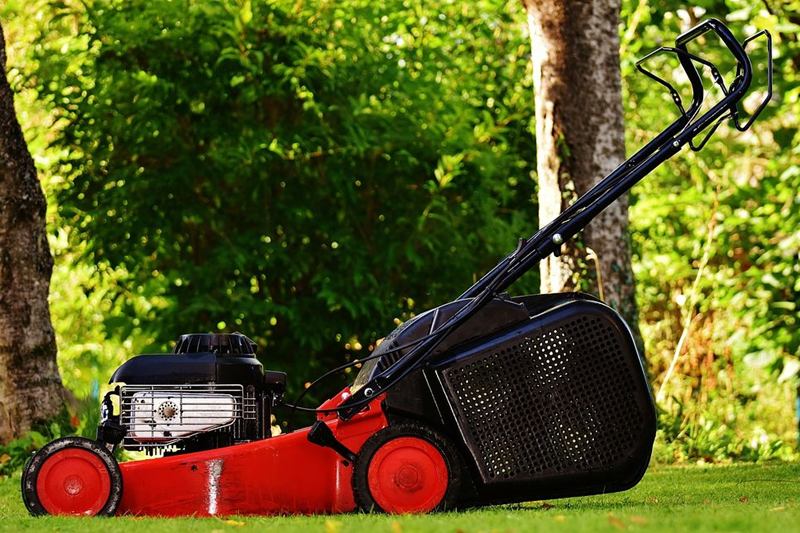
Many sheds hold old paint tins, thinners, wood preservatives, weedkillers, fertiliser, firelighters or petrol for the lawnmower. Wearing gloves, sort out anything that is out of date, unlabelled, dried up or damaged.
- Dispose of it: according to the FOEN, paints, varnishes, acids, alkalis, solvents, thinners and spray cans are hazardous waste. They should go back to specialist retailers, to collection points or to special collection days run by the commune or canton – never in the rubbish, down the drain or on the compost.
- Store it properly: keep products in their original packaging, never decant them into drinks bottles and close them tightly. The cheminfo.ch portal recommends storing chemicals out of children's reach, ideally higher than 160 cm and locked away, and following the disposal instructions.
- Never mix: don't pour leftovers together, not even for disposal.
Common mistakes
- Sweeping or vacuuming mouse droppings: this stirs up fine dust.
- Using a pressure washer inside: the wood soaks up water and roughens.
- Putting damp cushions and sacks back: that is an open invitation to mould.
- Throwing old chemicals in the rubbish or down the drain: hazardous waste belongs at a collection point.
- Leaving oily cloths crumpled up: they can ignite on their own.
Frequently asked questions
When is the best time to clean a garden shed?
In spring, on a dry, mild day, before the garden furniture and tools are needed again. A second, shorter round in autumn before winter is also worthwhile.
How do I safely remove mouse droppings from the shed?
Air the shed well, wear gloves and a respirator mask, dampen the droppings with a cleaning solution and pick them up with kitchen paper. Never sweep or vacuum. Put the waste in a sealed bag with the household rubbish, then wash your hands.
What should I use to clean a wooden garden shed?
A brush, a well-wrung cloth and a little soft soap or mild all-purpose cleaner. Never soak the wood, and let it dry well after cleaning. It is best to skip the pressure washer.
Where do I take old paint and plant protection products?
Paints, varnishes, solvents and spray cans are hazardous waste: take them to the point of sale, a collection point or a special collection day run by your commune or canton. For plant protection products, follow the disposal instructions on the packaging or ask at the point of sale.
Thanks for your feedback! Feel free to share the guide.
Thanks! What was missing? Drop us a line – we will improve the guide. WhatsApp