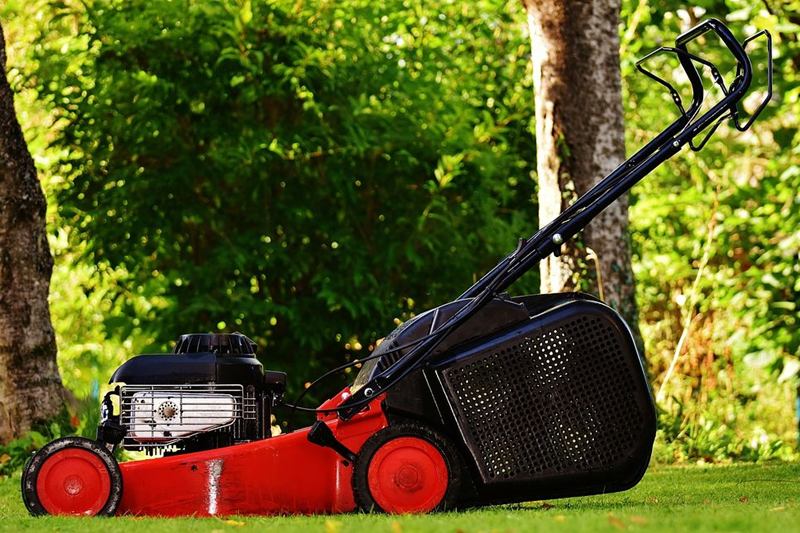
In autumn it was quickly pushed into the shed, and now, at the first look under the deck, there's a thick, dried-on layer of grass and soil. To clean a lawnmower before the first mow in March or April, you don't need special products – just a sensible order of work and a healthy respect for the blade.
Five steps show how to clean petrol, corded and cordless lawnmowers safely and thoroughly, and what to watch out for with the battery. Finally, it's the turn of the secateurs, hedge trimmer and other garden tools.
Why you should clean a lawnmower
Fresh grass contains a lot of moisture and sap. Under the deck it dries into a hard crust that slows the airflow: the mower cuts unevenly, the grass box fills poorly, and the damp mass encourages rust on the deck and the blade. On cordless lawnmowers, a clogged deck also reduces running time.
Cleaning is also a good opportunity for a safety check. The joint accident-prevention platform of Suva and the BFU (Swiss Council for Accident Prevention) recommends that you read the manual and check the machine for damage before each use.
| Sign | Likely cause |
|---|---|
| Grass left standing or frayed | Blunt or damaged blade, clogged deck |
| Grass box barely fills | Grass blocking the discharge chute |
| Rust spots on the deck | Damp grass residue over the winter |
| Battery doesn't last as long | Stored in the cold, ageing or dirty contacts |
1. Switch the mower off safely
Before your hands get anywhere near the blade, the mower must be safely switched off. Suva and the BFU set out clear rules:
- Petrol mower: stop the engine, let it cool and pull off the spark-plug cap.
- Corded electric mower: unplug it.
- Cordless mower: remove the battery.
- Robot mower: switch it off and secure it as described in the manual.
Wear sturdy gloves when checking or cleaning the blade. Only tilt a petrol mower in the way the manual describes, so that neither oil nor fuel leaks out. Work on a firm, level surface, ideally outdoors.
2. Clean the grass box and the top of the mower
Start with the easy parts:
- Remove the grass box, empty it and knock it out.
- Clean it with a brush; if necessary, rinse fabric boxes with the garden hose and let them dry completely.
- Brush dust and grass off the top of the deck, the handle and the wheels.
- Wipe over with a damp cloth; a little washing-up liquid is fine on plastic parts.
- Clear the motor's ventilation slots with a paintbrush.
3. Remove grass from underneath the deck
The underside is the most important part. Grass comes off best when dry:
- Carefully scrape off the crust with a wooden or plastic scraper – metal tools scratch the coating.
- Go over it with a stiff brush, including around the blade and in the discharge chute.
- Soften stubborn residue with a damp cloth and scrape again.
- Wearing gloves, check the blade for cracks, bends and nicks.
4. Use water sparingly and selectively
The garden hose is tempting, but water doesn't belong everywhere:
| Part | How to clean | Avoid |
|---|---|---|
| Underside of the deck (petrol) | Scrape dry, wipe with a damp cloth | Pressure-washer jet on bearings and engine |
| Corded and cordless mowers | Brush dry, wipe with a damp cloth | Water jet on motor, switch, battery compartment |
| Robot mower | As per the manual, usually brush and damp cloth | Garden hose, unless the manufacturer allows it |
| Wheels and axles | Brush, damp cloth | High pressure on the wheel bearings |
A pressure washer forces water into bearings, seals and electronics, where it can cause damage. When it's worth using one for the terrace and paths is covered in our guide to renting a pressure washer. After cleaning, let the mower air-dry before it goes back into the shed.
5. Look after the battery and clean garden tools
Battery: clean the contacts dry with a cloth. The Swiss fire prevention advice centre (BFB) advises charging lithium-ion batteries with the original charger, on a non-flammable surface and never unattended. Don't store them in unheated rooms over winter or above 60 °C. Replace a deformed, swollen or damaged battery immediately. Used batteries are hazardous waste – never put them in the household rubbish, but take them to a collection point or back to the retailer.
Garden tools: secateurs, loppers and hedge trimmers are next:
- Remove soil and plant sap with warm water and a brush.
- Wipe the blades with alcohol (methylated spirits, for example) – this removes resin and reduces the spread of plant diseases.
- Dry thoroughly and oil the joints lightly.
- Brush off spades and rakes and store them dry.
Methylated spirits are highly flammable: only use them outdoors or in a well-ventilated space, away from flames, and keep them out of children's reach. The BFU also recommends using electrical garden tools only on a socket with a residual current device (RCD) and unplugging them during breaks.
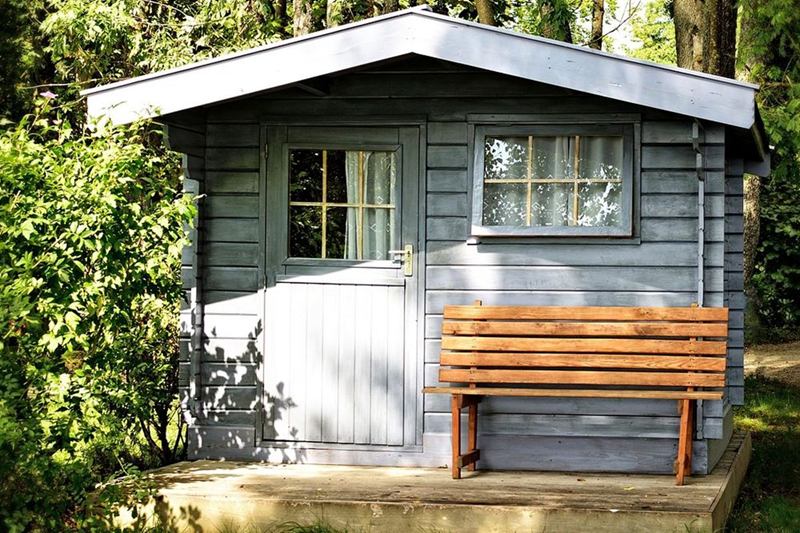
Once the mower is clean, it's worth taking a look at the shed itself: you'll find tips in our guide on how to clean a garden shed, and for tables and chairs in our article on how to clean garden furniture.
The most common mistakes
- Reaching under the deck without disconnecting the mower: the biggest injury risk.
- Hosing it down with a pressure washer: water in bearings and electronics shortens the mower's life.
- Putting the mower away wet: damp grass residue rusts and goes mouldy over winter.
- Leaving the battery in a cold shed: this harms the battery, and damaged batteries are a fire risk.
- Mowing without protective gear: Suva and the BFU recommend safety glasses, hearing protection, gloves and sturdy, non-slip shoes.
Frequently asked questions
How do I clean the underside of my lawnmower?
First disconnect it safely: pull the spark-plug cap, unplug it or remove the battery. Then tilt the mower as described in the manual, scrape off the grass dry with a wooden or plastic scraper and finish with a brush. Only touch the blade wearing gloves.
Can you hose down a lawnmower?
Only very sparingly, and never with a high-pressure jet on bearings, engine or electronics. Corded and cordless mowers are best cleaned dry and with a damp cloth. The manual tells you what's allowed.
How often should you clean a lawnmower?
A quick brush after every mow while the residue is still soft, and a thorough clean before winter storage and before the first use in spring.
Where should I store the lawnmower battery in winter?
In a dry, not too cold room in the house rather than in an unheated shed, and never above 60 °C. Charge it with the original charger and not unattended.

Thanks for your feedback! Feel free to share the guide.
Thanks! What was missing? Drop us a line – we will improve the guide. WhatsApp