Streak-free glass is only half the job. If the frames are grey, the rebates full of dust and the sills covered in dead insects, the whole window still looks neglected. Knowing how to clean window frames properly matters even more in Switzerland, because frames, sills and fittings are checked closely at every flat handover. The good news: with the right method for each material, it takes far less effort than you might think.
This guide covers the three most common frame materials, plus the parts people forget – seals and drainage slots.
Why frames get so dirty
Window frames collect everything: traffic dust, pollen, soot, cooking grease on the inside and water marks on the outside. In autumn, the combination of rain and falling leaves adds a greasy grey film. Frames facing a busy road or a railway line get dirty particularly quickly.
The biggest risk is not the dirt itself but the wrong cleaning method. Abrasive sponges scratch uPVC, too much water swells wood, and acidic cleaners can leave stains on anodised aluminium.
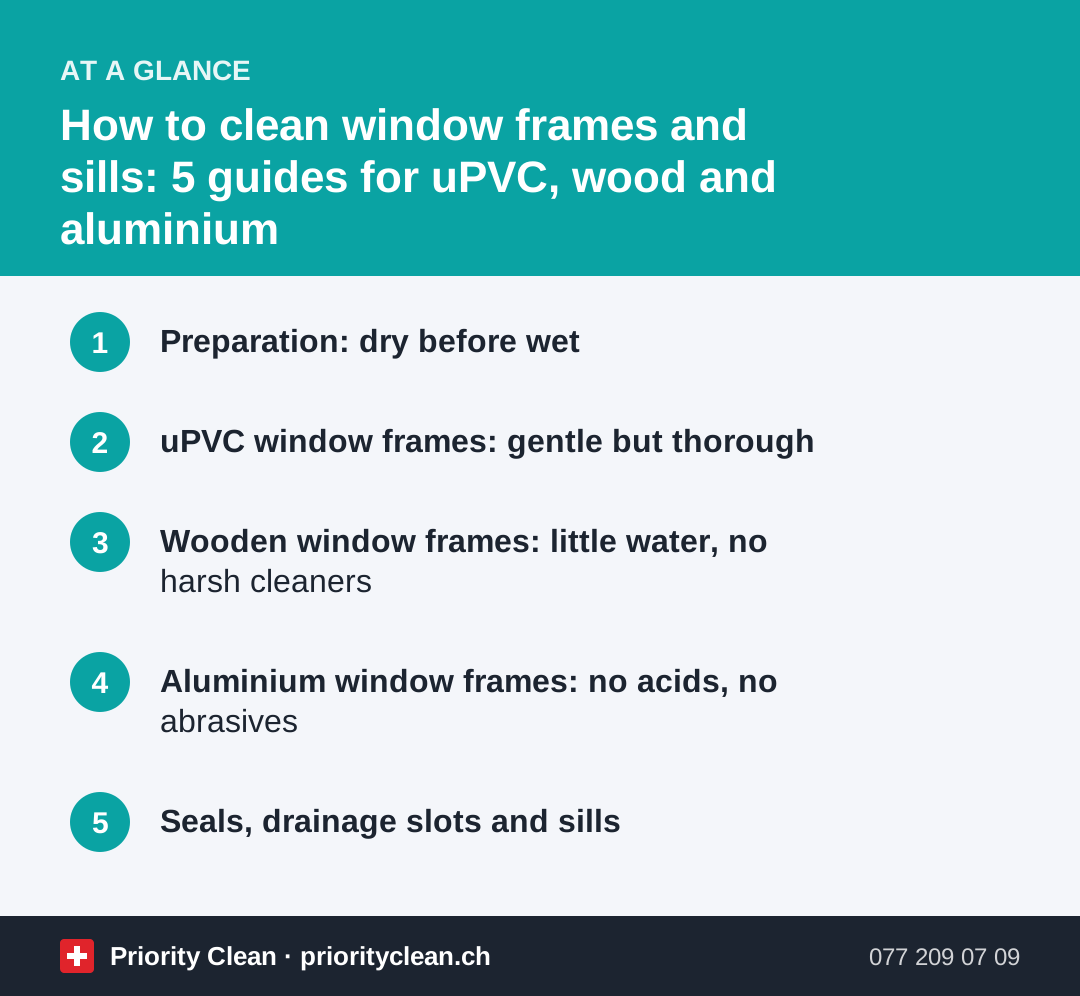
1. Preparation: dry before wet
Whatever the material, start the same way:
- Open the window wide and remove plants and decorations from the sill.
- Vacuum the rebates, corners and tracks with the crevice nozzle or brush attachment.
- Brush out stubborn dirt from corners with a soft paintbrush or old toothbrush.
- Only then use water.
2. uPVC window frames: gentle but thorough
White plastic frames are the most common in Swiss flats. They are robust, but their surface scratches easily and older frames can yellow.
- Everyday cleaning: warm water with a few drops of washing-up liquid, applied with a soft microfibre cloth. Wipe, then dry.
- Greasy film on the kitchen side: a little more washing-up liquid and a second pass with clear water.
- Grey marks and scuffs: a melamine sponge (often sold as a "magic sponge") can help, but use it with light pressure and test on a hidden spot first, as it works like very fine sandpaper.
- Yellowing: this is often ageing of the material itself, not dirt. A special plastic cleaner can improve it slightly, but it rarely becomes white again. Do not try bleach or solvents.
3. Wooden window frames: little water, no harsh cleaners
Painted or varnished wooden frames are beautiful but sensitive. The coating protects the wood – if you damage it, moisture penetrates and the wood can swell or grey.
- Wipe with a well-wrung cloth and mild soapy water. The cloth should be damp, not wet.
- Work quickly and dry immediately with a second cloth.
- Never use scouring pads, ammonia-based cleaners or solvents.
- Check the coating while you clean: cracks or flaking paint are worth reporting to the property management in a rented flat.
For wood-aluminium frames, clean the wooden inside as described here and the aluminium outside as below.
4. Aluminium window frames: no acids, no abrasives
Aluminium is common on newer buildings, balcony doors and shop fronts. It is weather-resistant, but the surface coating (anodised or powder-coated) can be damaged by the wrong products.
- Use lukewarm water with a neutral cleaner or washing-up liquid.
- Avoid vinegar, citric acid, limescale removers and alkaline oven sprays – they can cause dull patches.
- Rinse with clear water and dry to avoid water marks.
- For heavily weathered exterior frames, special aluminium cleaners exist; follow the instructions and test first.
Always read labels before use and keep products in their original bottles, as Tox Info Suisse advises in its guide on preventing poisoning at home.
5. Seals, drainage slots and sills
These details make the difference between "wiped" and "clean".
Rubber seals: Wipe them with a damp cloth and a little soapy water, then dry. Do not pull on them. Clean, supple seals close better and keep draughts out during the heating season.
Drainage slots: At the bottom of the outer frame, most windows have small openings that let rainwater out. If they are blocked with dirt, water can collect in the frame. Clear them gently with a pipe cleaner or cotton bud.
Window sills: Interior sills are often natural stone, wood or synthetic material – use a pH-neutral cleaner on stone. Exterior sills, often metal, can be cleaned with a soft brush and soapy water.
| Material | Best method | Avoid |
|---|---|---|
| uPVC | Washing-up liquid, microfibre | Scouring pads, solvents, bleach |
| Wood | Damp (not wet) cloth, dry immediately | Lots of water, ammonia, abrasives |
| Aluminium | Neutral cleaner, rinse, dry | Acids, oven cleaner, abrasives |
| Rubber seals | Soapy water, gentle wiping | Pulling, oils that swell rubber |
Common mistakes when cleaning window frames
- Starting with water: Grit plus water becomes a fine abrasive paste.
- Using the kitchen scouring sponge: It leaves permanent scratches on uPVC and aluminium.
- Soaking wooden frames: The coating may look fine at first, but damage shows later.
- Forgetting the outside: Especially at a move-out, frames are expected to be clean inside and outside.
- Taking risks on high windows: No frame is worth a fall.
Frequently asked questions
What is the best way to clean white uPVC window frames?
Warm water with a little washing-up liquid and a soft microfibre cloth is best for regular cleaning. For marks, a melamine sponge used gently can help, but always test on a hidden spot first.
Can I use vinegar to clean window frames?
Vinegar can be used on uPVC in a mild dilution, but it is not suitable for aluminium frames or natural stone sills. Mild soapy water is the safer choice for all materials.
How do I clean the rubber seals on windows?
Wipe them with a damp cloth and soapy water, then dry. Do not pull on them or use solvents. Clean seals close more tightly and help keep draughts out.
How often should window frames be cleaned?
For most homes, cleaning frames whenever you clean the windows – often two to four times a year – is enough. Frames near busy roads or in kitchens may need more frequent attention.
Thanks for your feedback! Feel free to share the guide.
Thanks! What was missing? Drop us a line – we will improve the guide. WhatsApp