You lift the lid and small white larvae are crawling along the rim: in summer, few surprises around the house are as unpleasant. Maggots in the bin almost always appear the same way – flies find meat or fish scraps they can reach and lay their eggs on them.
The good news is that a few habits when wrapping rubbish, putting bags out and cleaning prevent most of it. Here are five tips for houses, blocks of flats and balconies, and what to do if the maggots are already there.
Why you get maggots in the bin
House flies and blowflies are drawn by smells, especially from meat, fish, cheese and other protein-rich leftovers. If a bag is open, torn or loosely tied, they reach the contents and lay their eggs. In summer heat the larvae – the maggots – hatch quickly. A warm, damp bin standing in the sun suits them perfectly.
The Swiss Federal Office for the Environment points out that flies can transmit germs because they land on food, faeces and waste. So maggots are not just revolting: they show that flies have had free access to your rubbish.
| Waste | Maggot risk | What helps |
|---|---|---|
| Meat, fish and bone scraps | Very high | Wrap separately, keep cold until collection day |
| Cheese, deli paper, dirty packaging | High | Rinse or wrap well |
| Nappies, cat litter | High | In a separate, tightly sealed bag |
| Fruit and vegetable peelings | Medium, more likely fruit flies | Empty the food waste caddy often |
| Paper, cardboard, PET, glass | Low | Collect separately, clean and dry |
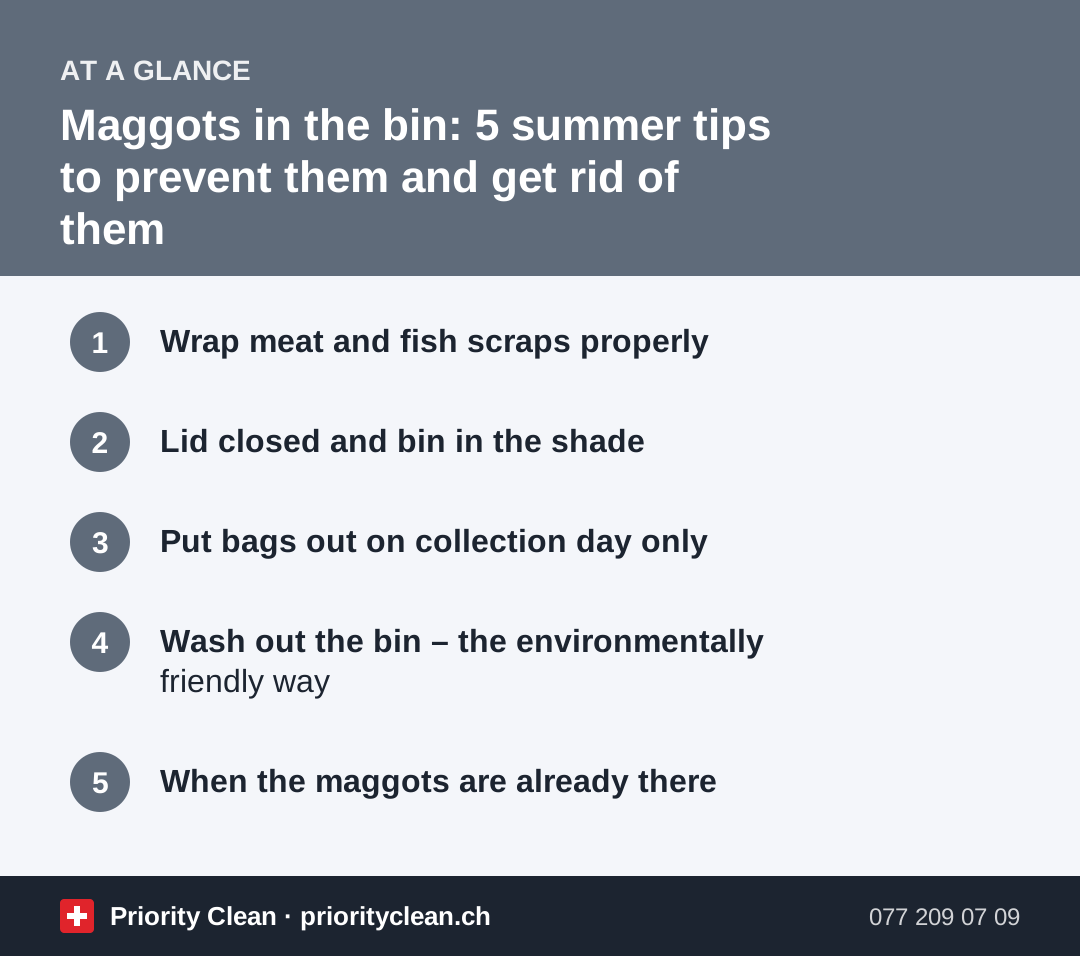
1. Wrap meat and fish scraps properly
The most effective step starts in the kitchen. Wrap meat, fish and bone scraps in newspaper or put them in a small resealable bag before they go into the rubbish bag. In most Swiss communes this is the official fee-paid bag (Gebührensack); tie it firmly even if it is not full yet. Liquids, marinades and sauces should not go loose into the bag.
The Federal Office for the Environment recommends that in the warm season you change bags containing fruit and meat scraps more often and do not store them on the balcony, because maggots can crawl away. To keep the kitchen bin fresh, see our guide Bin smells in summer.
2. Lid closed and bin in the shade
A bin with a closed lid is much harder for flies to get into. Check that the lid shuts completely and is not being pushed open by overfilled bags. A shady spot on the north side of the house, under a canopy or behind a hedge keeps the bin cooler: larvae develop more slowly and the rubbish smells less.
In blocks of flats, several households often share containers. If lids are broken or the bins stand in full sun, report it to the caretaker or property management. What helps against smells and maggots in shared containers is covered in our guide How to clean a wheelie bin.
3. Put bags out on collection day only
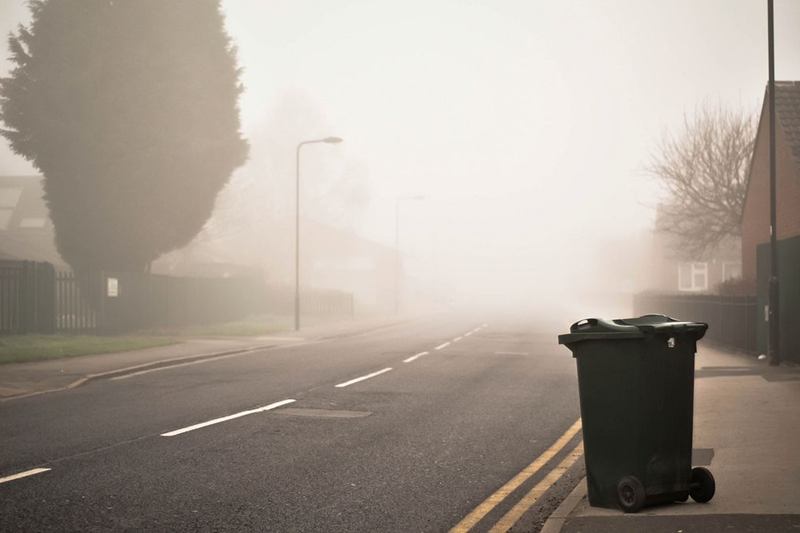
Rubbish bags left overnight at the roadside attract not only flies but also foxes, cats, crows and rats. On the subject of rodents, the Federal Office for the Environment advises putting rubbish bags out only on the morning of collection and cleaning bins regularly. Follow your commune's waste rules, which also say from when bags may be put out.
Between collections, the rubbish stays in a closed bin – not loose on the balcony or in the bike room.
4. Wash out the bin – the environmentally friendly way
The best time to clean it is right after it has been emptied. Here is how:
- Put on gloves, remove loose bits with kitchen paper and put them in a bag.
- Scrub the inside with hot water and a little soft soap or washing-up liquid, including the lid rim and hinges.
- Rinse with clean water.
- Pour the dirty water into a sink, a toilet or a floor drain that is connected to the foul sewer.
- Leave the bin open and upside down to dry in the sun.
Step four matters. In many communes, rainwater from roads, squares, roofs and terraces flows untreated into streams and lakes. The platform of the cantonal environment offices reminds residents that even readily biodegradable cleaning agents harm waters if they get there without passing through a treatment plant. So never tip the bucket into a street drain or a downpipe gully. A layer of newspaper on the floor of the dry bin will soak up any liquid later on.
5. When the maggots are already there
If there are maggots in the bin, stay calm. Close the lid so no more flies get in, and let the bin be emptied at the next collection. Pick up larvae stuck to the rim or lid with kitchen paper and put them in a sealed bag. Then wash the bin thoroughly as described above and let it dry completely.
If lots of flies then appear in the flat, track down the source – tips in our guide Flies in the flat. In summer, empty and wash your food waste caddy more often too.
The most common mistakes
- Unwrapped meat scraps: in warm weather flies find them fast and lay their eggs.
- Collecting bags on the balcony: it turns into a breeding site, and maggots can crawl away.
- Bin in full sun: heat speeds up smells and maggot development.
- Dirty water down the street drain: it ends up untreated in the nearest stream.
- Refilling a wet bin straight away: moisture encourages smells, so let it dry first.
Frequently asked questions
Where do maggots in the bin come from?
Maggots are fly larvae. Flies lay their eggs on waste they can reach, especially meat, fish and other protein-rich scraps. In warm weather the larvae hatch quickly.
Are maggots dangerous?
Maggots themselves do not bite. Flies, however, can transmit germs because they land on waste, faeces and food. Keep them away from your kitchen and rubbish, and wash your hands after cleaning the bin.
How often should I clean the bin in summer?
There is no fixed rule. A good habit is to check the bin briefly after each collection and wash it as soon as residue, smells or maggots appear – so more often in summer.
Who cleans the containers in a block of flats?
That is set out in the lease, the house rules or the caretaker's contract. Often the caretaker takes care of it. If you find maggots or a broken lid, contact the property management instead of dealing with the shared container yourself.
Thanks for your feedback! Feel free to share the guide.
Thanks! What was missing? Drop us a line – we will improve the guide. WhatsApp