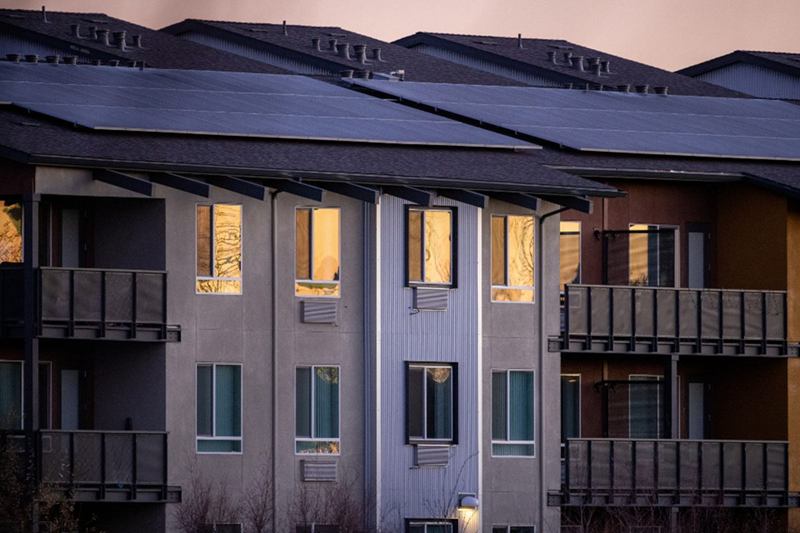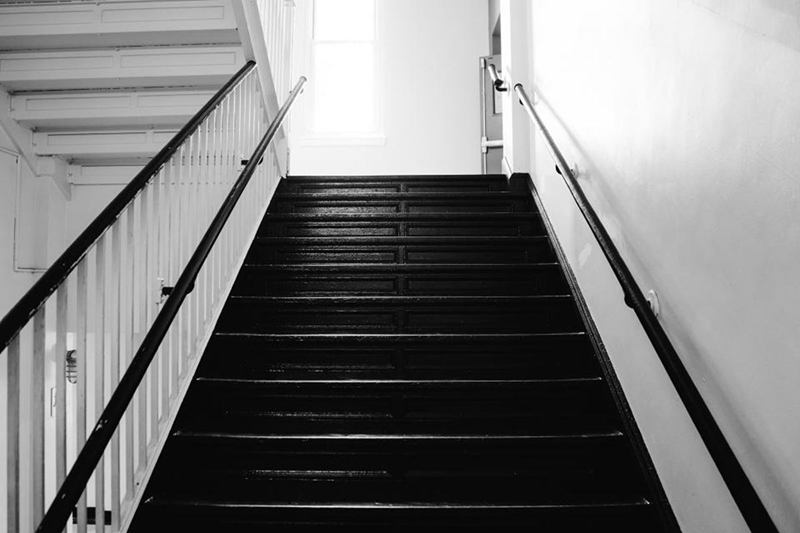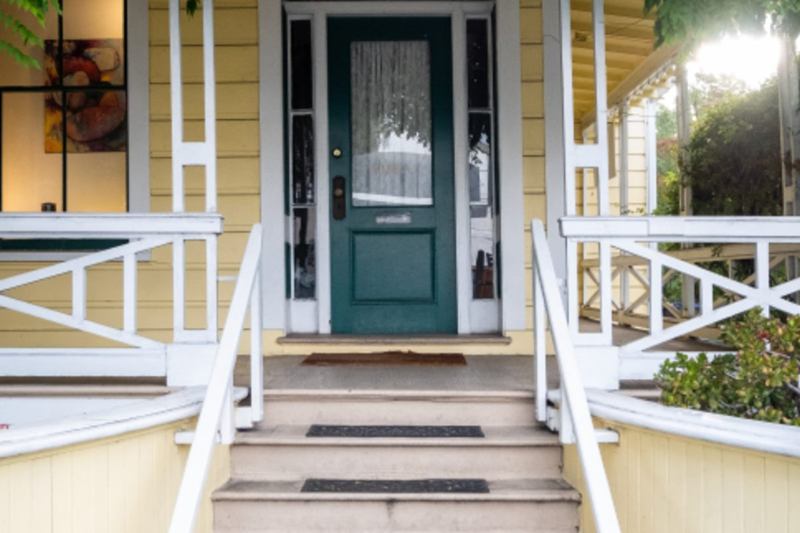
Snow on boots, meltwater on stone steps, grit crunching underfoot: from November to March, the entrance and stairwell of an apartment building face their toughest months. Wet stone and tiled floors quickly become dangerous, especially for older residents, children and anyone carrying shopping. Slippery stairs in winter are one of the most common everyday hazards in shared buildings – and most of them can be prevented.
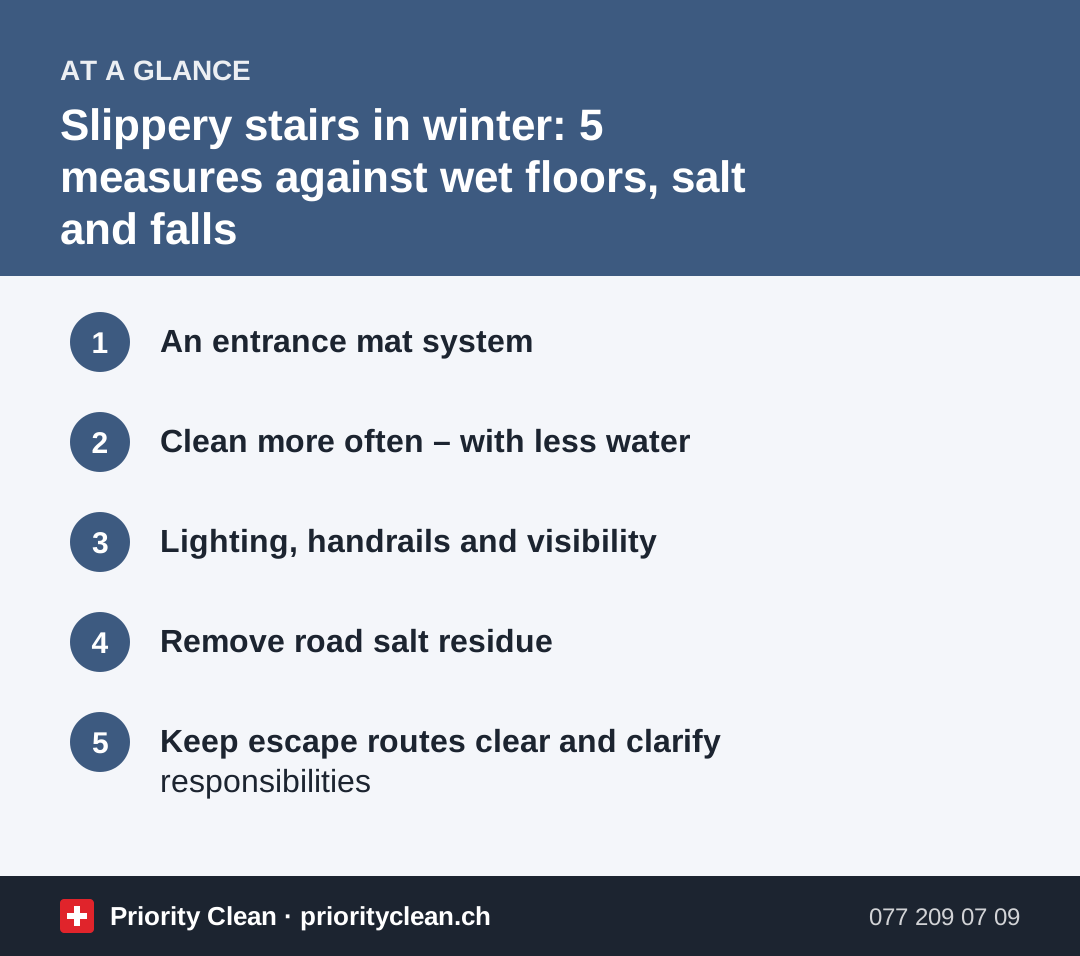
Here are five measures for property managers, condominium communities and caretakers.
Why stairwells become slippery in winter
Most water enters the building on shoes. Snow melts on the first steps, mixes with grit and salt and forms a slippery film on smooth surfaces such as polished stone, terrazzo or glazed tiles. Mopping with too much water or the wrong product can make it worse.
The Swiss Council for Accident Prevention highlights slip-resistant closed shoes and careful planning as key points for safe cleaning at home – the same principles apply to shared stairwells.
1. An entrance mat system
The best measure against slippery stairs in winter starts outside the door.
| Zone | Mat type | Purpose |
|---|---|---|
| Outside the door | Coarse scraper mat or grating | Removes snow, grit and coarse dirt |
| Directly inside | Absorbent textile mat | Absorbs water and fine dirt |
| Optional, before the stairs | Second absorbent mat | Catches remaining moisture |
- Mats should be long enough for several steps, not just one.
- Use mats with non-slip backing and flat edges to avoid tripping.
- Shake out, vacuum or replace mats regularly – a saturated mat no longer absorbs.
- Check that mats don't block doors or escape routes.
2. Clean more often – with less water
In winter, the cleaning rhythm should adapt to the weather.
- Remove grit first: Sweep or vacuum grit and salt crystals before mopping – otherwise they scratch the floor.
- Mop damp, not wet: Use a well-wrung mop and suitable cleaner at the correct dose.
- Work in sections: Clean one flight of stairs at a time and let it dry.
- Choose the right time: Clean when few residents are on the move, not during rush hour.
- Mark wet areas: Use a "wet floor" sign while floors are drying.
Suva's checklist for building cleaning covers slippery floors and wet cleaning as key occupational safety topics for cleaning staff – good practices here protect residents too.
3. Lighting, handrails and visibility
It gets dark early in winter, and residents use the stairs in poor light more often.
- Check all lights: Replace faulty bulbs promptly.
- Timer switches: Make sure the lighting stays on long enough to walk up several floors.
- Motion sensors: Check that they detect people at the bottom of the stairs.
- Handrails: Must be firmly attached and clean – people use them more in winter.
- Step edges: Worn or damaged step edges and missing non-slip strips should be reported and repaired.
4. Remove road salt residue
Salt dries into white, dull streaks and can leave a slightly sticky film that attracts dirt.
- Vacuum or sweep dried salt crystals first.
- Mop with lukewarm water and a suitable neutral cleaner at the correct dose.
- For natural stone, use only pH-neutral products – acids attack limestone and marble.
- Rinse with clear water if residue remains and dry the surface.
- Clean mats regularly, as they release salt back onto the floor when saturated.
Tenants can help by cleaning their shoes – our guide on removing salt stains from shoes explains how.
5. Keep escape routes clear and clarify responsibilities
In winter, stairwells fill up with wet boots, shoe racks, prams and sledges. Swiss fire prevention advice says stairwells and escape routes must be kept free and no combustible materials stored there. Clutter also makes cleaning harder and creates tripping hazards.
Responsibility for safe common areas generally lies with the building owner, who often delegates tasks to the property management, caretakers or service providers. Who clears snow outside, who salts the paths and who cleans inside should be clearly agreed in writing. For liability questions, consult your property insurance or a specialist.
Common mistakes in winter stairwell cleaning
- Mopping with too much water: Floors stay wet for longer.
- Skipping the grit: Scratches the floor and spreads dirt.
- Saturated mats: Push water further into the building.
- Acidic cleaners on natural stone: Cause dull, rough patches.
- Unclear winter service: Nobody feels responsible for the icy entrance steps.
Who is in charge of stairwell cleaning in the first place? Our guide on stairwell cleaning responsibilities explains the basics, and organising cleaning in a condominium helps owners.
Frequently asked questions
How can I prevent slippery stairs in winter?
Use a two-zone mat system at the entrance, remove grit and salt, mop with little water, mark wet floors and make sure lighting and handrails are in good condition.
Who is responsible for a slippery stairwell in an apartment building?
Generally the building owner, who often delegates cleaning and winter service to the property management, a caretaker or a service provider. The details depend on contracts and should be agreed in writing.
How do I remove road salt residue from stone floors?
Sweep or vacuum dried salt first, then mop with lukewarm water and a pH-neutral cleaner. Avoid acidic products on natural stone.
How often should a stairwell be cleaned in winter?
More often than in summer, depending on the weather and number of residents. Entrance areas may need a quick clean on wet days in addition to the regular cleaning.
Thanks for your feedback! Feel free to share the guide.
Thanks! What was missing? Drop us a line – we will improve the guide. WhatsApp