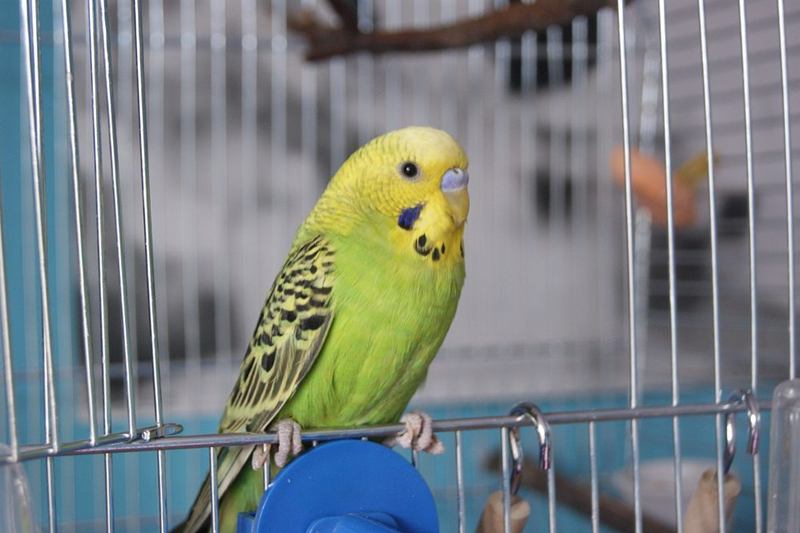
Seed husks on the windowsill, droppings on the perches, a fine layer of feather dust on the shelf: wherever budgies or canaries live, dirt builds up quickly. For bird cage cleaning that doesn't swallow half a day every time, split the work into three levels: a few quick jobs every day, a weekly round and a thorough clean about once a month.
That way food and water stay clean, the birds stay healthy and the room around the cage stays pleasant. And you can do without harsh cleaning products: hot water, a brush and a little patience are almost always enough.
Why regular bird cage cleaning matters
Birds eat, bathe and leave droppings in a small space. Food scraps, husks and droppings mix with sand and feathers, and once damp this quickly becomes a breeding ground for germs and mould. The Federal Food Safety and Veterinary Office (FSVO, BLV in German) points out that birds must always have fresh drinking water and that food and water bowls must be kept clean and protected from droppings and urine.
The routine also helps the people in your household: dried droppings and feather dust are stirred up with every wingbeat and spread through the flat. Sensitive people notice it in their nose and eyes. If symptoms persist, have them checked by a doctor – this guide is not medical advice.
| Frequency | Task | Why |
|---|---|---|
| Daily | Change the water, rinse the bowls, blow away husks, offer a bath | Fresh water, clean food |
| Weekly | Empty the tray, replace the sand, wipe perches and bars | Fewer germs, less odour and dust |
| Monthly | Take the cage apart, clean everything with hot water, check and replace branches | No mould, no encrusted dirt |
1. The daily routine: water, bowls and bath
The most important job is also the smallest. Every day, take out the water container and food bowl, empty them and rinse them with hot water and a brush kept only for this purpose. Blow the husks off the food bowl – they look like seed but are empty. Remove fresh fruit and vegetables after a few hours, before they wilt.
For cage birds, the FSVO requires a daily opportunity to bathe and a container of suitable sand. Bath water gets dirty fast: change it after bathing or by the evening at the latest.
Position bowls and water so that no perch runs directly above them. That way no droppings fall in.
2. The weekly round: floor, sand and perches
Once a week – or twice with several birds or a small cage – it's time for the floor:
- Pull out the tray and empty the old sand with husks and droppings into a bag. Bird sand and litter go in the household rubbish, not down the toilet.
- Wash the tray with hot water, loosen stubborn spots with a brush and dry it well.
- Fill it with fresh bird sand.
- Scrape droppings off the perches with a spatula or a stiff brush.
- Wipe the bars and cage walls with a damp cloth.
Use the moment for a quick health check: if the droppings look different from usual, have a vet take a look.
3. Deep bird cage cleaning with hot water
About once a month, take the cage apart completely. First move the birds to a safe room with the windows closed and no other pets, or into a second cage or a carrier.
- Remove bowls, toys, swings and perches.
- Hose the cage down with hot water in the shower or bath. The shared laundry room or outdoors works too, if the house rules allow it.
- Scrub the bars, corners and doors with a brush; for heavy encrusted dirt, soak the cage in hot water first.
- If needed, use a little mild washing-up liquid, then rinse very thoroughly with clean water.
- Dissolve limescale in water containers with diluted vinegar, then rinse well.
- Let everything dry completely before the birds come back.
Natural branches of untreated, non-toxic wood make the best perches. The FSVO recommends branches of different thicknesses that are replaced regularly – though not during the breeding season. Sand-covered perch sleeves and so-called Harzer cages are banned in Switzerland.
4. Hygiene for people: gloves, hands, separate equipment
During cleaning, dust and bits of droppings easily end up on your hands and clothes. Wear household gloves and, if there's a lot of dust, a simple mask. Afterwards, wash your hands thoroughly.
Never wash bowls and brushes together with kitchen dishes or in the sink where you prepare food. The FSVO explains that germs spread via hands, chopping boards, utensils and cloths, and that surfaces should be cleaned with hot water and soap. For bird accessories, that means: their own brush, their own cloth, hot water.
5. Keeping the area around the cage clean
Even when the cage is spotless, feathers, husks and dust drift through the room. Vacuum around the cage every day or every other day, damp-wipe shelves and windowsills and wash nearby curtains more often. How to cut down on dust throughout your home is covered in our guide on reducing dust in the flat.
If you keep other small pets, you'll find a similar routine in the guide on cleaning a rabbit hutch. And if you help wild birds in the garden, read how to clean a bird nest box properly.
Common mistakes
- Harsh cleaners and sprays: residues and fumes can harm birds. Hot water is usually enough.
- Mistaking husks for seed: a full-looking bowl may contain nothing but empty shells – blow them away and top up daily.
- Perches above the bowls: droppings end up in the food and water.
- Putting the cage back wet: damp sand encourages mould. Always let it dry well.
- Bird accessories in the kitchen sink: germs can pass to dishes and food.
Frequently asked questions
How often should you clean a bird cage?
Water and bowls daily, the tray and sand once a week, and the whole cage about once a month. With several birds or a small cage, clean more often.
What is the best way to clean a bird cage?
With hot water and a brush. If needed, use a little mild washing-up liquid, then rinse very thoroughly. Diluted vinegar removes limescale from water containers. Avoid sprays, fragrances and chlorine.
Where should the bird go during cleaning?
Into a safe room with doors and windows closed and no other pets, or into a second cage or a carrier. Daily care can be done while the birds stay in the cage.
How often should bird sand be changed?
Usually once a week, more often if it's very dirty or you keep several birds. Remove wet or heavily soiled patches straight away in between.
Thanks for your feedback! Feel free to share the guide.
Thanks! What was missing? Drop us a line – we will improve the guide. WhatsApp