A sharp smell of ammonia, soggy bedding in one corner and a grey crust on the floor: at that point cleaning can't wait any longer. If you want to clean a rabbit hutch without losing half a Saturday every time, the trick is to split the job: a few quick tasks every day, a full bedding change every week and a thorough deep clean now and then.
Late February, when outdoor enclosures come out of winter damp and dirty, is a good time for a fresh start. The five steps below apply to indoor and outdoor rabbit hutches alike, and in the same way to a guinea pig cage.
Why you should clean a rabbit hutch regularly
Rabbits and guinea pigs have sensitive noses and sensitive paws. The Federal Food Safety and Veterinary Office (FSVO) states that the floor of a rabbit enclosure must always be kept dry and clean: damp causes paw diseases, and the smell of ammonia irritates the nose. Low-dust bedding also protects the eyes. Regular cleaning is therefore not about looks – it is part of keeping animals properly.
Then there is your flat: a neglected rabbit hutch in the living room soon smells through the whole room, and hay, bedding and fur spread across the floor.
| Sign | Likely cause |
|---|---|
| Sharp smell | Wet bedding, urine in the toilet corners |
| Hard grey-white crusts | Urine scale on the tray or floor |
| Damp, dark bedding | Changed too rarely or too little bedding |
| Dust in the air | Dusty bedding or old hay |
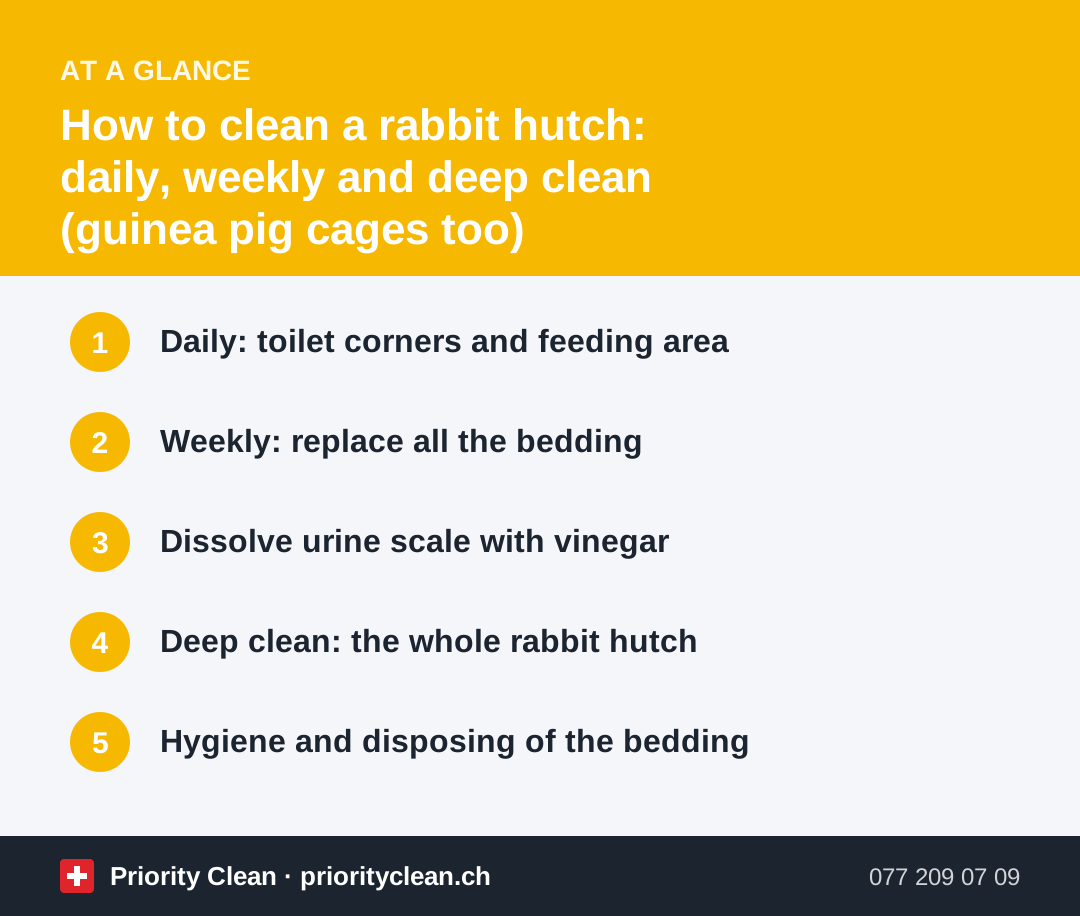
1. Daily: toilet corners and feeding area
Rabbits and guinea pigs usually do their business in the same spots, and many rabbits even use a litter tray. Deal with these corners every day:
- Scoop out wet or soiled bedding with a small shovel and top up with fresh bedding.
- Empty the litter tray, rinse it briefly with warm water and refill it.
- Remove leftover food, dried-out vegetables and soiled hay.
- Rinse the water bowl or bottle and refill with fresh water.
The FSVO recommends feeding areas with surfaces that are easy to clean. A tile or a dish under the food makes the daily check much easier.
2. Weekly: replace all the bedding
Once a week – more often with several animals or in a small cage – all the bedding comes out. Here's how:
- Move the animals to a safe run or a carrier.
- Take out the hideaway, bowls, hay rack and toys.
- Tip all the bedding into a bag or bucket.
- Sweep the tray or floor dry, then wipe it with a damp cloth.
- Let it dry thoroughly and add fresh bedding.
For rabbits, the FSVO names straw or bark chips as suitable bedding. For guinea pigs and other rodents it recommends dust-free wood shavings or bark with straw or hay on top, plus enough hiding places for all the animals at once.
3. Dissolve urine scale with vinegar
Calcium-rich urine leaves hard grey-white crusts over time, especially in plastic trays and the litter tray. Scraping with sharp tools is not the answer: bacteria and odours collect in the scratches.
- Dilute household vinegar with water, apply it to the crusts and let it work.
- Loosen with a brush or sponge and treat stubborn spots a second time.
- Rinse thoroughly with clean water afterwards so no vinegar smell remains.
- Let everything dry completely before adding fresh bedding.
4. Deep clean: the whole rabbit hutch
On top of the weekly change, the hutch needs a thorough clean from time to time – at the start of spring, for example, after an animal has been ill or when a smell lingers.
- Tray and floor: scrub with hot water and a brush, treat urine scale as above, rinse well.
- Wooden parts: brush hideaways and ramps dry and only wipe them with a damp cloth. Wood soaks up urine, so replace heavily soaked parts.
- Bars and doors: free them from hay, fur and droppings with a brush and warm water.
- Bowls and bottle: wash in hot water, including the spout of the bottle.
- Outdoor enclosure: check the roof is watertight, dry out damp patches, remove leaves.
Let the hutch dry completely before the animals move back in. For looking after the bars, perches and dishes of another pet, see our guide on how to clean a bird cage.
5. Hygiene and disposing of the bedding
Droppings and urine can carry pathogens. Wear disposable gloves while cleaning and wash your hands thoroughly afterwards. If children help, show them how to wash their hands and stay with them. The FSVO also points out that rabbits and guinea pigs are not toys to be carried around.
There is no single Swiss rule for disposal. Some communes accept small-animal manure with straw and hay in the green waste, others want it in the fee-paid refuse bag. Swiss Recycle gives an overview of collection routes, but what counts is your commune's waste calendar. In your own garden, harmless bedding can often go on the compost.
If urine has missed its target – on the rug or parquet around the enclosure, say – our guide to removing urine stains will help. Cat owners will find similar tips against odours in our article on cat litter smell.
The most common mistakes
- Changing too rarely: only adding fresh bedding on top leaves a damp, smelly layer underneath.
- Too many chemicals: strong cleaners and fragrances do the animals more harm than good.
- Fresh bedding on a wet floor: this encourages odours and paw problems.
- Dusty bedding: it irritates eyes and airways – choose low-dust products.
- Skipping handwashing: especially for children, it belongs to every clean.
Frequently asked questions
How often should you clean a rabbit hutch?
Toilet corners, leftover food and water every day, all the bedding usually once a week. With several animals, a small cage or as soon as it smells or feels damp, change it more often. A deep clean is due now and then and whenever needed.
What is the best thing to clean a rabbit hutch with?
Hot water, a brush and, for urine scale, diluted household vinegar. Rinse well afterwards and let it dry. It's best to avoid scented cleaners and disinfectants.
Can old bedding go in the green waste?
That depends on your commune. Some accept small-animal manure with straw and hay in the green waste, others don't. Check the waste calendar or ask the commune.
Does the same plan work for a guinea pig cage?
Yes, essentially. Guinea pigs also need dry, dust-free bedding, fresh water and hay every day and clean hiding places. Cages with a small floor area get dirty faster and need fresh bedding more often.
Thanks for your feedback! Feel free to share the guide.
Thanks! What was missing? Drop us a line – we will improve the guide. WhatsApp