It pulses, whines or only picks up half-heartedly: when a cordless vacuum loses power, the motor is rarely to blame. Most of the time, fine dust is clogging the filter. Dyson filter cleaning needs nothing more than cold water, a little patience while it dries and a few minutes for the bin, cyclone and brush bar.
In February, when grit and road salt are carried in from the pavement to the front door, the machine has plenty to do. The five steps apply to Dyson models and to many similar cordless vacuums. If in doubt, the manual for your own model takes priority.
Why a cordless vacuum loses power
A cyclonic vacuum separates coarse dirt from the air with a spinning vortex. The finest dust is caught by the filter, which keeps the exhaust air clean and protects the motor. When this filter clogs up, the motor gets too little air: suction drops, the machine sounds strained and some models start to pulse.
| Warning sign | Likely cause | What to do |
|---|---|---|
| Vacuum pulses or cuts out | Clogged filter or blocked wand | Wash the filter, check the wand |
| Musty smell | Damp dirt in the bin, filter not fully dry | Empty the bin, dry the filter completely |
| Dust escapes | Filter fitted wrongly or damaged | Check the fit, replace the filter |
| Brush bar stops turning | Hair and threads wound round it | Remove the brush bar, cut the hair free |
| Much shorter run time | Ageing battery | Have the battery checked or replaced |
For people with a house dust mite allergy, this is more than a matter of comfort: aha! Swiss Allergy Centre recommends a vacuum cleaner with a HEPA filter. But such a filter only holds back what actually passes through it – it must be clean, dry and correctly fitted. Cylinder vacuums with bags need a slightly different approach, described in our guide on how to clean a vacuum cleaner and its filter.
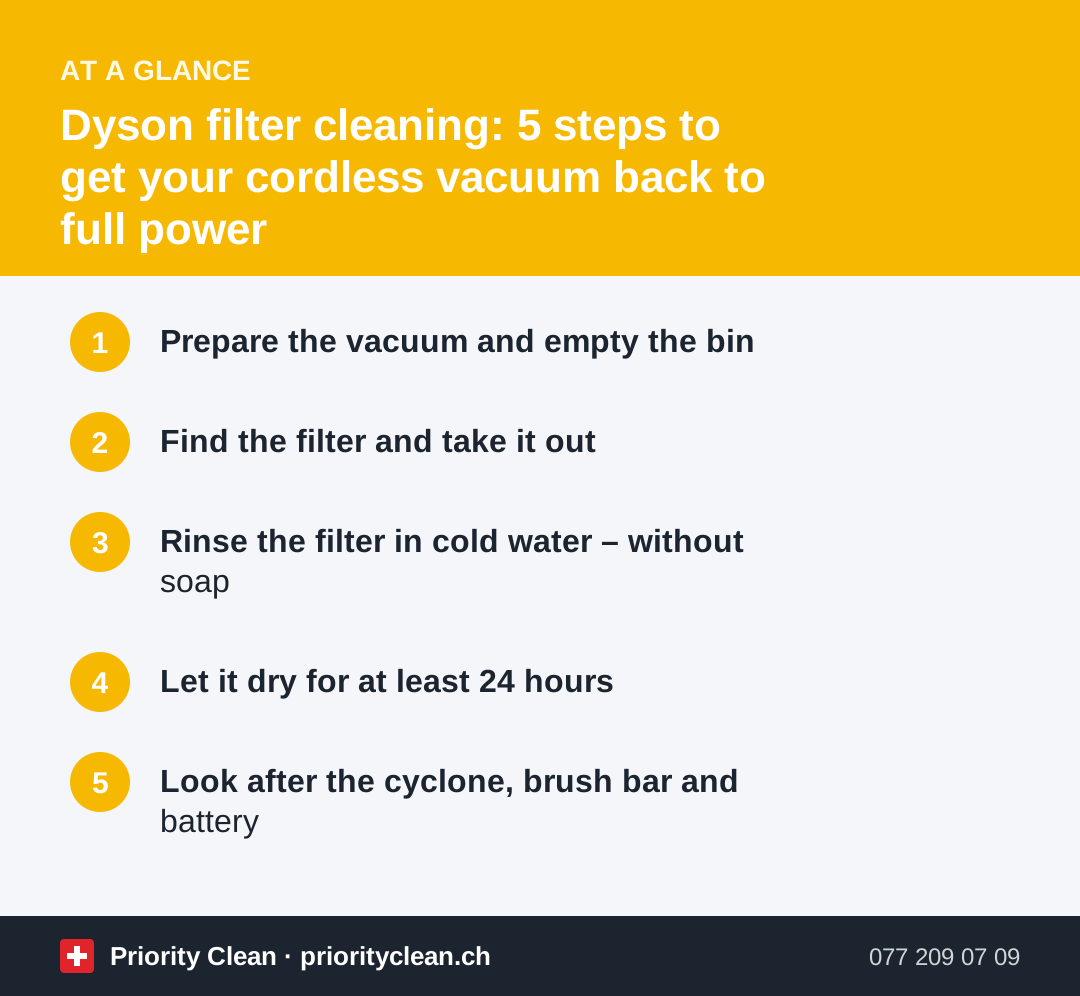
1. Prepare the vacuum and empty the bin
- Switch the vacuum off and take it out of the charging dock. On models with a removable battery, take the battery out.
- Detach the floor tool and the wand.
- Empty the bin into a rubbish bag, ideally on the balcony or deep inside the bag, so the fine dust doesn't end up back in the room.
- Loosen hair and fluff caught on the cyclone shroud with a dry paintbrush.
- If the manual allows it, wipe the bin with a damp cloth – without washing-up liquid – and let it dry completely.
People with allergies should ask someone else to empty the bin if possible, or do it outdoors.
2. Find the filter and take it out
Where the filter sits depends on the model. On many newer cordless vacuums, it is a filter unit at the back or top of the machine that twists off. Older models often have two filters: a pre-motor filter at the top of the cyclone and a post-motor filter behind the motor. The manual shows which parts are washable.
Not every filter can take water. Some appliances, such as air purifiers, have filters that are meant to be replaced rather than washed. Check this before you turn on the tap.
3. Rinse the filter in cold water – without soap
- Hold the filter under cold running water, turning it slowly.
- Tap it gently every now and then to loosen dust that is stuck fast.
- Repeat until the water runs clear.
- Shake the water out thoroughly – don't wring or squeeze the filter.
Why no washing-up liquid? Soap and cleaning products leave residue in the fine filter fibres, and new dust sticks to it all the faster. The dishwasher and washing machine are off-limits for the filter too.
4. Let it dry for at least 24 hours
The most important step is also the most boring one. Stand the filter upright in an airy spot at room temperature and leave it to dry for at least 24 hours – longer for thick filters or in cool rooms.
Radiators, hairdryers, ovens, microwaves and tumble dryers are off-limits: heat can warp the filter material and seals. A filter fitted while still damp, on the other hand, soon smells musty, can go mouldy and may damage the motor.
Many manufacturers recommend rinsing the washable filter about once a month. With pet hair, fine drilling dust or a vacuum that pulses, it is worth checking sooner. How often you should vacuum in the first place is covered in How often should you vacuum?
5. Look after the cyclone, brush bar and battery
- Cyclone: brush out the shroud and openings with a dry paintbrush or the brush tool. Never submerge the cyclone in water unless the manual expressly allows it.
- Brush bar: remove it as described in the manual, cut wound-up hair along the groove with small scissors, pull it off and check the ends of the brush bar. On some models, soft rollers for hard floors may be rinsed in cold water – they too must then dry completely. The floor tool itself stays dry.
- Wand: hold it up to the light and carefully push out a blockage with a blunt broom handle.
- Contacts and charging dock: wipe off dust with a dry cloth.
A battery that has reached the end of its life does not belong in the household rubbish. In Switzerland, consumers are required to return used batteries, and every shop that sells them takes them back free of charge, even if you don't buy anything. What to check before buying a new machine is explained in Cordless vacuum, what to look for.
Common mistakes in Dyson filter cleaning
- Washing the filter with washing-up liquid: the residue gums up the fibres.
- Refitting it after a few hours: dry on the outside doesn't mean dry inside.
- Drying the filter on a radiator: the material can warp.
- Putting everything under the tap: only wash parts that the manual says are washable.
- Vacuuming up liquids or ash: moisture clogs the filter, and hot ash is a fire risk.
- Ill-fitting replacement filters: if the filter doesn't seal properly, dust flows straight past it.
Frequently asked questions
How often does a Dyson filter need cleaning?
Many manufacturers recommend rinsing washable filters about once a month. With pet hair, lots of fine dust or a vacuum that pulses, check it sooner. The manual for your model is what counts.
Can I wash a Dyson filter with washing-up liquid?
No. Rinse washable filters in cold water only, without soap, washing-up liquid or other cleaning agents, and never in the dishwasher or washing machine.
How long does the filter need to dry?
At least 24 hours in the air at room temperature, longer if necessary. Only put it back once it is completely dry, inside and out.
Why does my cordless vacuum keep pulsing?
Usually the motor is getting too little air: a clogged filter, an overfull bin or a blockage in the wand or floor tool. Check these one after the other. If that doesn't help, contact the manufacturer or a specialist retailer.
Thanks for your feedback! Feel free to share the guide.
Thanks! What was missing? Drop us a line – we will improve the guide. WhatsApp