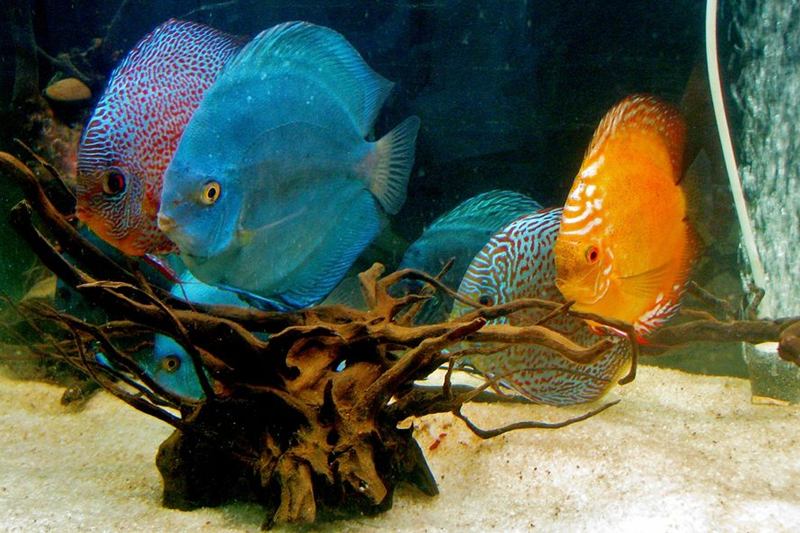
The glass is turning green, brown sludge is settling on the gravel and the water no longer looks quite clear. When it comes to aquarium cleaning, a big scrub is the wrong approach – a calm, regular routine works far better. A tank is home to much more than fish: countless useful bacteria in the filter and substrate keep the water clean.
These five steps show you how to care for the glass, substrate and filter without upsetting that balance – and why cleaning products have no place in or near the tank.
Why regular but gentle aquarium cleaning matters
Leftover food, plant debris and fish waste burden the water every day. They are broken down by bacteria that settle mainly in the filter and the substrate. The Federal Food Safety and Veterinary Office (FSVO) therefore recommends running a new tank for four weeks without fish so these bacteria can settle in. According to the FSVO, good water quality needs a working filter and regular water changes.
Cleaning too thoroughly – rinsing everything, washing the gravel and hosing the filter with hot water – destroys exactly these helpers. The water may turn cloudy, which puts stress on the fish. The right care is therefore regular and moderate.
| Task | How often | Watch out for |
|---|---|---|
| Partial water change | Weekly, about a third in smaller tanks | Add temperature-matched water slowly |
| Gravel vacuuming | During the water change | Only part of the substrate, not all of it |
| Inside glass | As needed | Magnet or blade, no cleaning products |
| Filter rinse | Regularly, not on water-change day | Only in tank water, never hot |
| Outside glass, lid | As needed | Cloth and water, no sprays near an open tank |
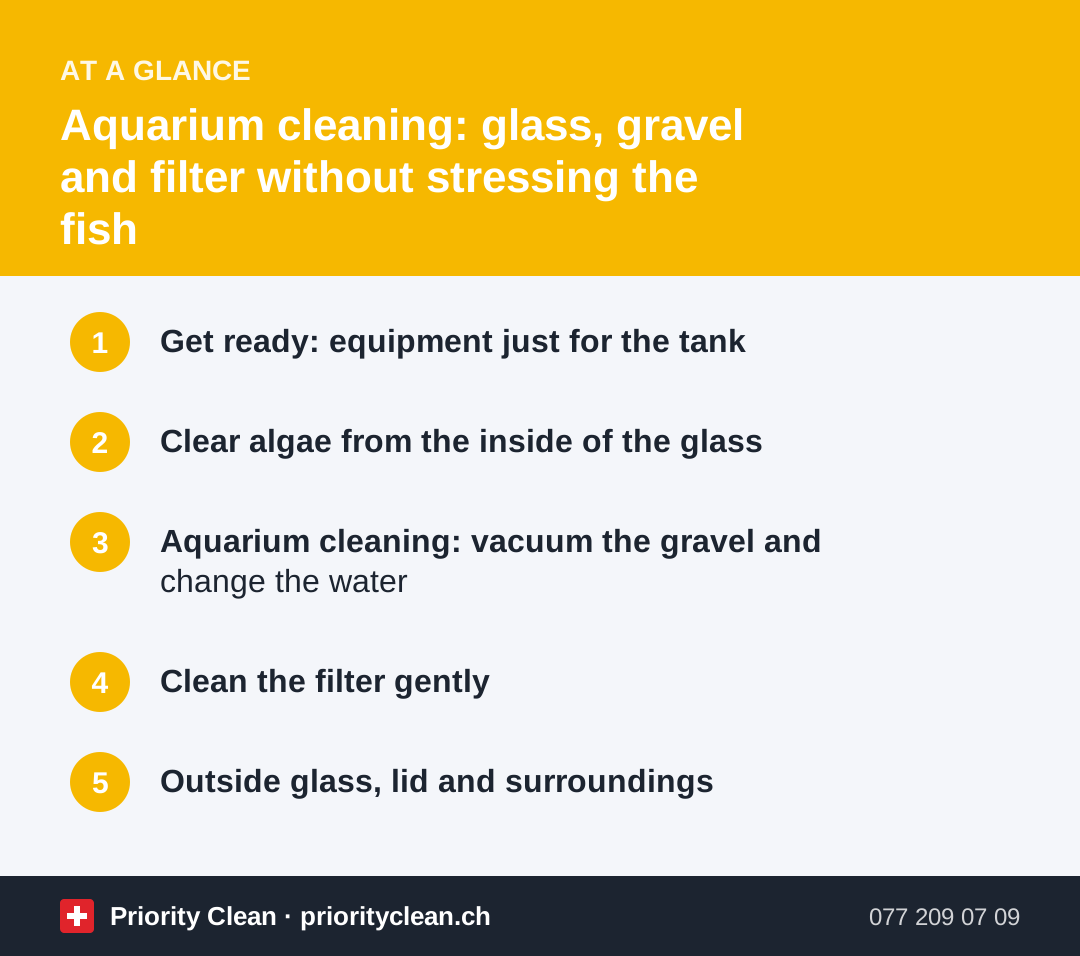
1. Get ready: equipment just for the tank
Put together a small kit that is used for the aquarium and nothing else: a bucket, a siphon hose with a gravel vacuum bell, an algae magnet or glass blade and a few sponges. Label the bucket clearly. Even traces of cleaning product or detergent from a household bucket can be dangerous for fish.
Before you start, wash your hands and rinse them thoroughly with clean water so that no soap, hand cream or perfume gets into the water. Switch off the filter and heater according to the manufacturer's instructions before lowering the water level. Water and electricity are a dangerous combination: only touch plugs and cables with dry hands.
2. Clear algae from the inside of the glass
A greenish film on the inside is normal and easy to remove:
- Algae magnet: one half inside, one outside – you clean the glass without putting your hands in the water. Make sure no grain of gravel gets caught between the magnet and the glass, or it will scratch.
- Glass blade: for stubborn deposits on glass, use a blade. Keep it flat and stay clear of the silicone seams in the corners. On acrylic tanks, a blade is off-limits – use soft sponges only.
- Order: clean the glass first, then vacuum the gravel. That way you pick up the loosened algae at the same time.
3. Aquarium cleaning: vacuum the gravel and change the water
The partial water change is the most important maintenance task. According to the FSVO, in smaller tanks you replace about a third of the water every week.
- Vacuum the gravel: move the bell over the substrate and let the water run into the bucket. The bell briefly stirs up the gravel, the light debris is sucked away and the stones fall back. Only do part of the substrate each time.
- Draw off the water: this way you remove the amount needed for the water change at the same time.
- Prepare the fresh water: bring the new water to the same temperature as the tank. Ask at a specialist shop whether your tap water needs conditioning.
- Fill slowly: the FSVO recommends adding the temperature-matched water through a shower head. This avoids stirring up the substrate and is gentler on the fish.
The water you siphon off is good for watering houseplants. Keep some of it back for cleaning the filter.
4. Clean the filter gently
The filter is the heart of the aquarium, home to most of the useful bacteria. The FSVO recommends cleaning the filter material regularly, but not at the same time as the water change. That way part of the bacteria is always left undisturbed.
- Gently squeeze out the filter sponges in a bucket of siphoned tank water until the coarse dirt is gone.
- Do not rinse them under the hot tap and never use washing-up liquid.
- Do not replace all filter media at once – stagger it according to the manufacturer's instructions.
- Before switching back on, check that hoses and seals are properly in place.
5. Outside glass, lid and surroundings
The tank should look clear from the outside too. Remove fingerprints and dust with a slightly damp microfibre cloth and clean water, then wipe dry. Glass-cleaning sprays have no place near an open tank: the spray mist can drift into the water. For stubborn marks on glass, see our guide on cleaning glass.
For limescale on the cover glass, take it off and clean it away from the tank, then rinse it very thoroughly with clean water. Furniture, shelves and the floor around the tank often get splashed; wipe them dry regularly to avoid water marks. For efficient dusting around the home, read our dusting tips.
Common mistakes in tank care
- Cleaning everything at once: water change, gravel wash and filter clean on the same day upset the biological balance.
- Rinsing the filter in hot water: this kills the useful bacteria.
- Using cleaning products or a household bucket: even residues can harm fish.
- Pouring in cold water directly: temperature swings stress the fish.
- Overfeeding: leftovers burden the water and encourage algae.
Frequently asked questions
How often should an aquarium be cleaned?
Ideally, do a partial water change every week; in smaller tanks, the FSVO says to replace about a third of the water. Clean the glass as needed and the filter regularly, but not on the same day as the water change.
Can I use cleaning products on an aquarium?
No. In the tank, on decorations and accessories, use only clean water. For the outside glass, a damp microfibre cloth is enough; sprays should be kept away from an open tank.
Do I need to take the fish out for cleaning?
No. The fish stay in the tank during a partial water change. Work calmly, only vacuum part of the substrate and add the fresh water slowly.
How do I clean the filter without killing the bacteria?
Gently squeeze the sponges out in siphoned tank water instead of rinsing them under the hot tap. Replace filter media in stages, following the manufacturer's instructions.
Thanks for your feedback! Feel free to share the guide.
Thanks! What was missing? Drop us a line – we will improve the guide. WhatsApp