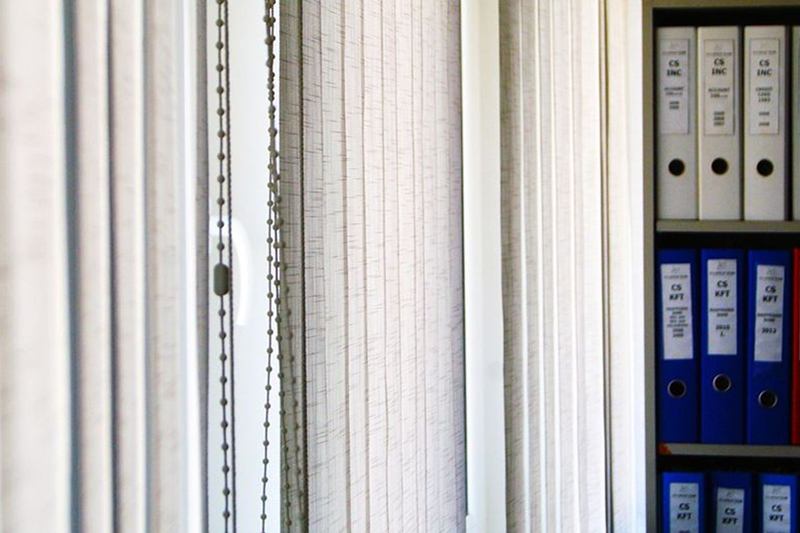
At the start of the year, lever arch files pile up on the shelves, the archive of past years waits in the cellar, and nobody knows exactly what is still needed. If you want to dispose of documents properly, you have to balance two things: meeting your obligations to keep records and destroying confidential data so that nobody can read it any more.
January is a good time to clear out, because a new financial year begins and retention periods run out for older records. These five steps show how to slim down your files safely, in line with data protection and with the environment in mind.
Why it pays to dispose of old documents
Full shelves cost space, time and patience: anyone looking for a document has to leaf through files nobody needs any more. Stacks of paper also collect dust. On cluttered surfaces and cupboards, cleaning cannot be done properly – yet rooms and workplaces must be kept clean and in good working order, as SECO's guidance on Art. 37 of Ordinance 3 to the Employment Act makes clear.
Then there is data protection. Personnel files, client data, quotes or bank statements must not simply end up in the waste paper, where unauthorised people can get hold of them before collection. At the same time, under the Federal Act on Data Protection, personal data should not be kept longer than its purpose requires. Clearing out is therefore part of data protection too.
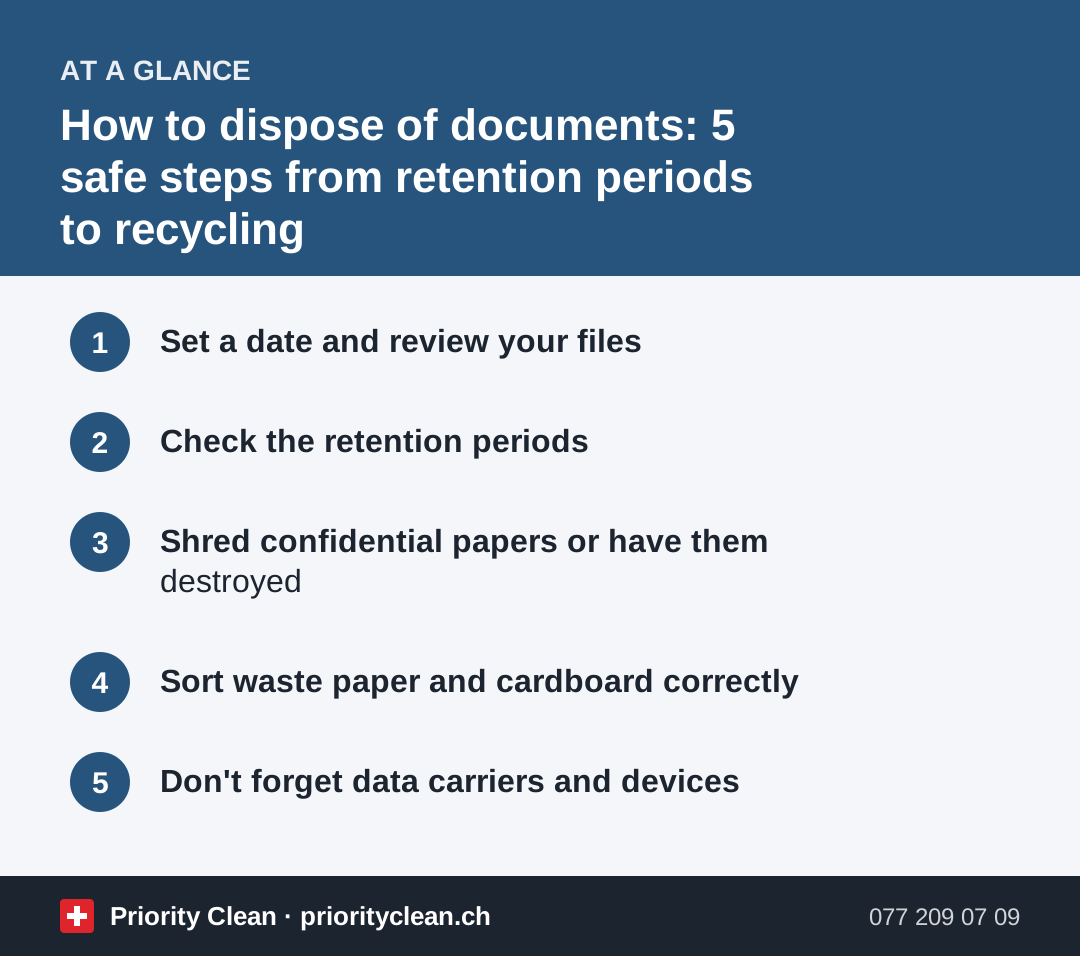
1. Set a date and review your files
Book a fixed slot, for example every January, and decide who has the final say on what can go. Work through the files one by one and make four piles: keep, archive, shred, waste paper.
Do not dispose of anything connected with an ongoing legal dispute, a tax audit or a warranty that is still valid. If in doubt, the file stays until the responsible person has decided. Is a move coming up anyway? That is the ideal moment to clear out – see our office move checklist.
2. Check the retention periods
The Swiss Code of Obligations requires accounting records and vouchers, together with the annual report and the audit report, to be kept for ten years. The period starts at the end of the financial year. If your financial year ends on 31 December, you can therefore usually destroy the accounting vouchers from 2015 in January 2026 – provided no longer period applies.
| Records | Guideline | Afterwards |
|---|---|---|
| Accounting records, vouchers, annual accounts, audit report | 10 years from the end of the financial year | Shredder or destruction container |
| Certain documents relating to property or VAT | Sometimes longer | Only after checking with your accountant |
| Personnel files and job applications | Only as long as necessary | Shredder |
| Duplicates, drafts, brochures, old catalogues | No obligation | Waste paper, shred anything confidential |
The periods that apply to your business are best clarified with your accountant or fiduciary (Treuhand). This guide is not legal or tax advice.
3. Shred confidential papers or have them destroyed
Anything with names, addresses, salary, health, client or bank details must not go into the waste paper unshredded. You have two options:
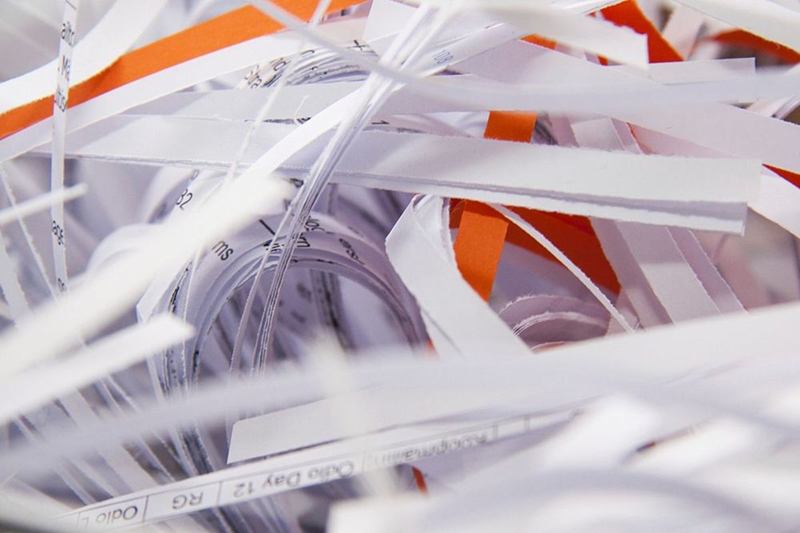
- An office shredder: for smaller amounts. When buying one, check the security level under the DIN 66399 standard (P-1 to P-7). For documents containing personal data, at least level P-4 is usually recommended – cross-cut particles rather than strips.
- A document destruction container: for larger amounts, specialist companies provide locked containers, collect them and confirm the destruction in writing. Ask for a certificate of destruction.
Do not leave full sacks of shredded paper standing in the corridor – take them straight to the collection point or to a room that can be locked.
4. Sort waste paper and cardboard correctly
Harmless paper is a valuable raw material. Swiss Recycle offers an overview of recyclable materials and where each is collected; the exact rules are in your commune's waste calendar. For the office:
- Waste paper: letters, copies, brochures, magazines, envelopes and notepads.
- Cardboard: cardboard boxes, collected separately from paper in many communes.
- Not with paper: metal file mechanisms, punched pockets, film and plastic sleeves.
- Shredded paper: bundle it the way your commune asks – usually in paper bags, never in plastic sacks.
Until collection day, store paper bundles and boxes in the cellar or waste room, not in the stairwell or along escape routes. Our guide on waste separation at the office shows how to organise collection points day to day.
5. Don't forget data carriers and devices
A clear-out is not only about paper. Drawers often hide old USB sticks, external hard drives, backup CDs or retired laptops. Multifunction printers and copiers can also contain storage that holds documents.
- Have the data securely erased or the data carrier destroyed before disposal – ask your IT support.
- For leased devices, agree with the supplier how the data will be deleted.
- Electrical appliances never belong in the rubbish. Retailers, manufacturers and importers must take back appliances of the kind they sell free of charge, even without a new purchase, as the Federal Office for the Environment (FOEN) explains on its page on electrical and electronic equipment.
Once the files are gone, you will see how much dust has gathered on shelves and cupboards. Wipe the empty surfaces with a damp cloth before putting the remaining files back. Tips for the whole workspace are in our guide to an office declutter at the end of the year.
Common mistakes
- Throwing everything out at once: without checking the periods, records that still have to be kept end up in the shredder.
- Confidential papers in the waste paper: on collection day, bundles often sit at the roadside for hours.
- Strip-cut shredding for personal data: the strips can be pieced back together.
- Forgetting data carriers: an old USB stick can hold more than a whole shelf of files.
Frequently asked questions
How long do business records have to be kept in Switzerland?
Under the Code of Obligations, accounting records and vouchers, the annual report and the audit report must be kept for ten years, counted from the end of the financial year. Longer periods apply to certain documents; your accountant or fiduciary can give you a reliable answer.
Can documents simply go into the waste paper?
Only if they contain no confidential information. Documents with personal, client, salary or bank details belong in a shredder or a locked document destruction container.
Which shredder is right for the office?
Choose a cross-cut or particle-cut model rather than a strip-cut one, and check its security level under DIN 66399. For documents containing personal data, at least level P-4 is usually recommended.
Where do old hard drives and USB sticks go?
Have the data securely erased or the data carriers destroyed, ideally with your IT support. Then return the devices to a shop or a collection point – they do not belong in the rubbish.
Thanks for your feedback! Feel free to share the guide.
Thanks! What was missing? Drop us a line – we will improve the guide. WhatsApp