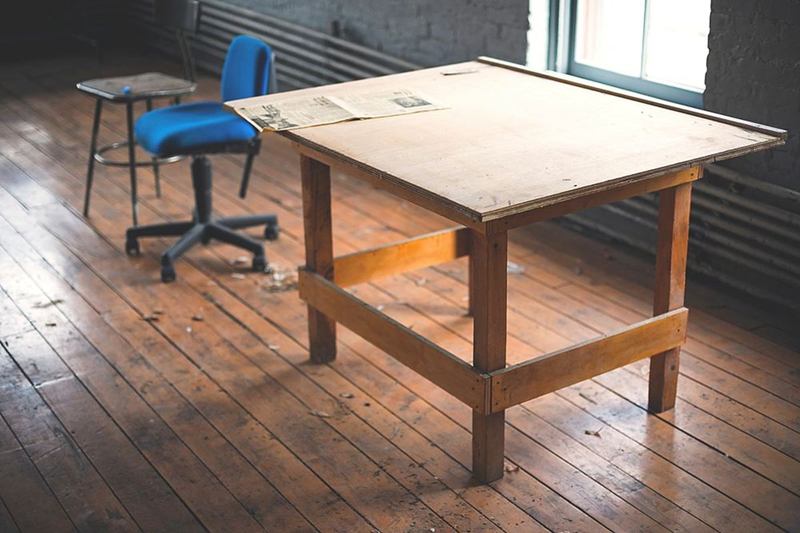
A full working day of sitting, a coffee next to the keyboard, lunch eaten at the screen: few pieces of office furniture get as much use as the chair, and few are cleaned so rarely. Knowing how to clean an office chair does not require special equipment or lots of water. What matters is knowing the material and never soaking the padding.
The start of the year is a good time for it, when files are sorted and desks rearranged. These five steps cover fabric, mesh, leather and castors – plus the rules that help when several people share the same desk.
Why your office chair needs regular cleaning
An office chair is in contact with clothes and skin all day long. Sweat, skin oils and dust work their way into the cover, crumbs collect in the gap between seat and backrest, and a greyish film forms on the armrests. On fabric covers, the front edge of the seat is usually the first place to darken.
At shared desks, someone different often sits down every day. Armrests and levers then become contact surfaces, just like door handles. Employers are responsible for clean workplaces in any case: SECO's guidance on Art. 37 of Ordinance 3 to the Employment Act states that buildings, rooms, workplaces and sanitary facilities must be kept clean and in good working order, with the necessary cleaning equipment available.
| Type of dirt | Typical spot | What helps |
|---|---|---|
| Dust, crumbs, hair | Seat gap, seams, mesh | Vacuum regularly |
| Dark, greasy patches | Seat edge, armrests | Blot or wipe with a damp cloth |
| Coffee and drink stains | Seat | Blot at once, then clean gently |
| Hair and fibres | Castors and axles | Pull out, cut wound threads |
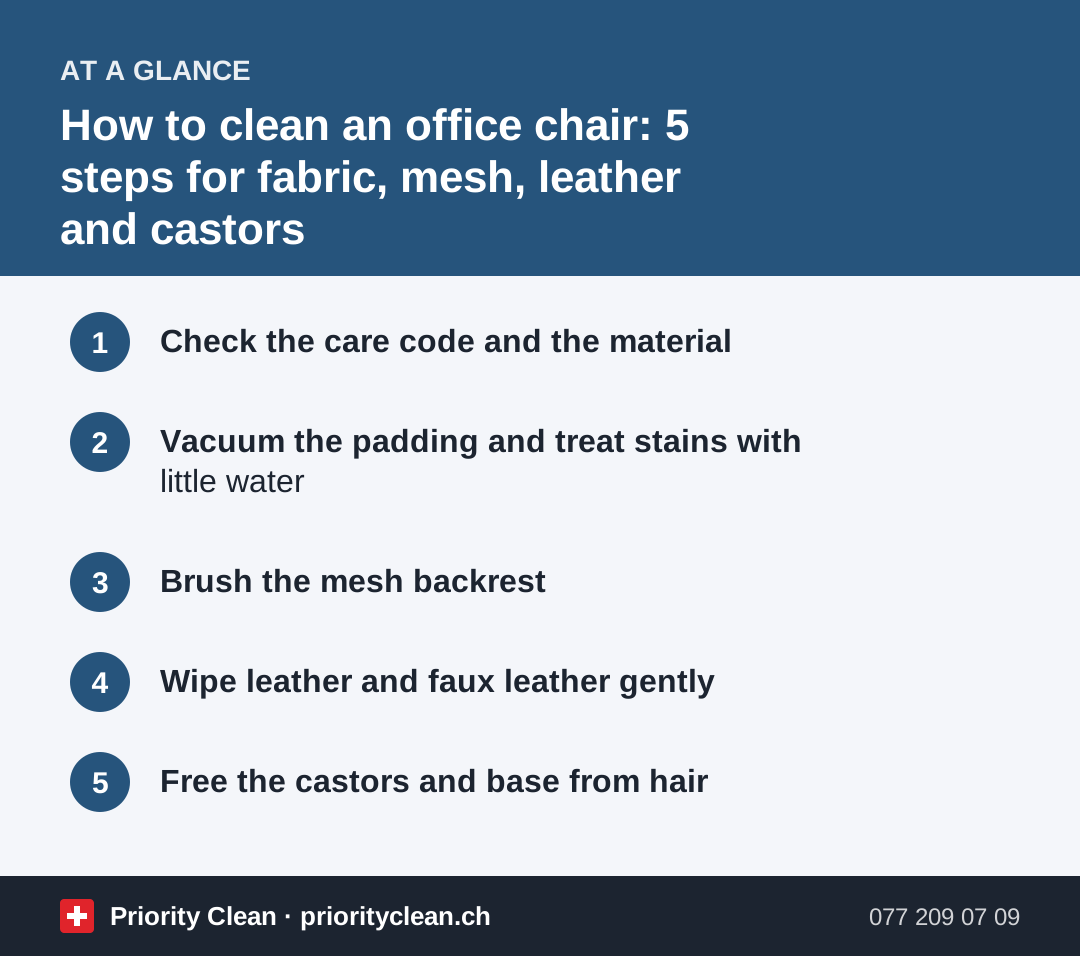
1. Check the care code and the material
Before you reach for water, take a look under the seat. Many manufacturers give a cleaning code for the cover on a label or in the manual:
| Code | Meaning | What it means for you |
|---|---|---|
| W | Water-based cleaning allowed | Blot with a little water and a mild cleaner |
| S | Water-free cleaning products only | No water – leave stains to a specialist |
| W/S | Either is possible | Start with the gentle water-based option |
| X | No liquids at all | Vacuum and brush only |
If there is no label, you will often find care instructions on the manufacturer's website. When in doubt: little water, mild products and a test on a hidden spot first, for example on the underside of the seat.
2. Vacuum the padding and treat stains with little water
The most important care is dry. Vacuum the seat and backrest with the upholstery nozzle, and the gaps and seams with the crevice tool. Fluff and pet hair come off with a lint roller or a slightly damp rubber glove.
For a stain on fabric with code W:
- Blot a fresh stain immediately with an absorbent cloth – do not rub.
- Mix lukewarm water with a few drops of washing-up liquid or a little curd soap.
- Dip a microfibre cloth in the solution and wring it out well: it should be barely damp.
- Blot the stain from the outside in, dab with clean water to rinse, then blot dry.
- Let the chair dry thoroughly, ideally overnight, before anyone sits on it again.
The Swiss consumer protection foundation (Stiftung für Konsumentenschutz) presents simple household remedies such as curd soap and bicarbonate of soda as an alternative to many specialist products. For mild odours, sprinkle bicarbonate of soda on dry, leave it for a few hours and vacuum it off thoroughly.
If the padding gets too wet, the water soaks into the foam: it dries slowly and leaves rings. Our guide on water stains on upholstery explains how to get rid of them. For ballpoint pen, felt-tip marker or grease on delicate fabric, ask a specialist rather than experimenting with solvents.
3. Brush the mesh backrest
Mesh lets air through, but traps dust in its openings. Vacuum it with the brush attachment on a low setting. Then brush it along the threads with a soft washing-up brush and a little soapy water. Wipe over with a damp cloth and let it air-dry.
Avoid hard brushes and scouring products, which can pull threads. The plastic or aluminium frame can take a damp cloth with a little washing-up liquid.
4. Wipe leather and faux leather gently
Wipe smooth leather with a soft, slightly damp cloth. If it is dirtier, a mild leather soap helps; then wipe dry and apply a care product as the manufacturer recommends, so the leather does not dry out.
Faux leather can take lukewarm water with a little washing-up liquid. Alcohol, solvents and harsh cleaners can make the surface brittle until it cracks. Our guide on how to clean faux leather has more tips.
Armrests and levers are usually plastic and are the parts touched most often: a damp cloth is enough. Only wipe the outside of the mechanism and gas lift under the seat.
5. Free the castors and base from hair
Hair, carpet fibres and dust wind themselves around the axles. The chair then rolls stiffly or slides, and can leave marks on the floor.
- Lay the chair on a blanket with the castors pointing up.
- Pull out hair with your fingers or tweezers; cut tightly wound strands with small scissors.
- On many models the castors pull out of the base with a firm tug – the manual tells you whether this is intended.
- Wipe castors and base with a damp cloth, let them dry and push the castors firmly back in.
Soft castors are designed for hard floors such as parquet or tiles, hard castors for carpet. A floor protection mat under the chair gives delicate floors extra protection.
The office chair at shared desks
When several people use the same desk, a few simple rules go a long way. You will find more ideas in our guide to hot desking hygiene.
Common mistakes
- Too much water: the padding dries slowly and rings form.
- Rubbing instead of blotting: the stain spreads and the fabric pills.
- Ignoring the care code: with code S or X, water can leave permanent marks.
- Harsh products: solvents, scouring agents and bleach attack the cover, mesh and plastic.
Frequently asked questions
Can you clean an office chair with water?
It depends on the cover. If the label says W or W/S, you can blot with a little water and a mild cleaner. With code S or X, only vacuum; stubborn stains are then a job for a specialist.
How do I get stains out of an office chair?
Blot a fresh stain immediately, then treat it from the outside in with a well-wrung cloth and a little washing-up liquid. Dab with clean water to rinse and let the chair dry thoroughly.
How often should an office chair be cleaned?
Vacuuming and wiping the armrests belong in regular cleaning, and more often at shared desks. A thorough clean of padding, mesh and castors is usually enough once or twice a year with normal use.
How do I remove hair from office chair castors?
Turn the chair over, pull the hair out with tweezers or your fingers and cut tightly wound strands with small scissors. Castors that pull out can be cleaned one by one and then pushed firmly back in.
Thanks for your feedback! Feel free to share the guide.
Thanks! What was missing? Drop us a line – we will improve the guide. WhatsApp