The end of March is a common moving date in many Swiss communes – and alongside boxes and furniture, large appliances are often on the list. Moving a washing machine is not something to improvise on the day: without transit bolts and with water still inside, damage happens quickly. The fridge has its own pitfalls, such as oil running into the cooling circuit when it is tipped over.
These five rules get your washing machine, fridge and tumble dryer to the new flat in one piece – and help you check beforehand whether you need to take them at all.
Why large appliances suffer during a move
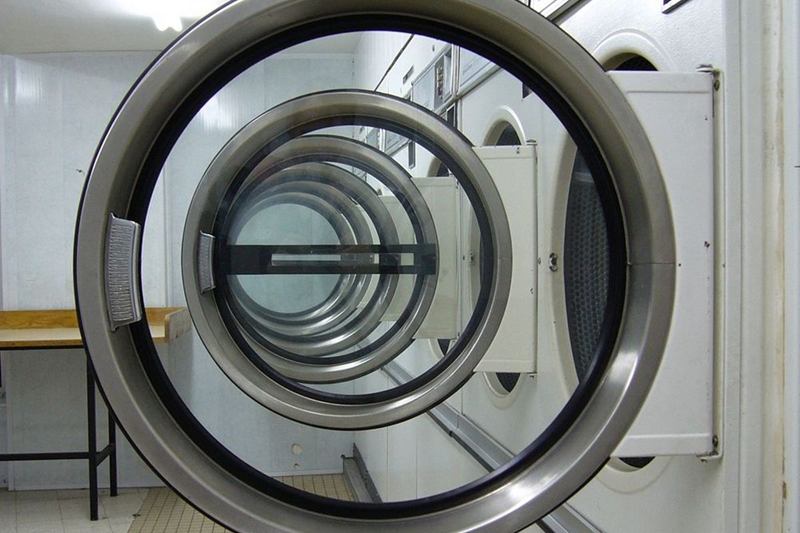
The drum of a washing machine hangs on springs and shock absorbers. When it is carried and driven around without being secured, it swings back and forth and can damage the suspension, shock absorbers and pipes. On top of that, water left in the pump and hoses can leak out or freeze in cold weather.
Fridges, freezers and heat pump tumble dryers have a compressor containing oil. If the appliance is tilted or transported lying down, oil can flow into the pipes of the refrigerant circuit. Switched on too soon, the compressor can be damaged.
| Appliance | Preparation | Transport | Afterwards |
|---|---|---|---|
| Washing machine | Fit transit bolts, drain remaining water | Upright, strapped in | Remove bolts, level the machine |
| Fridge and freezer | Empty, defrost, clean, dry | Upright if possible | Let it stand before switching on |
| Heat pump tumble dryer | Empty condensed water, clean the filter | Upright if possible | Let it stand like a fridge |
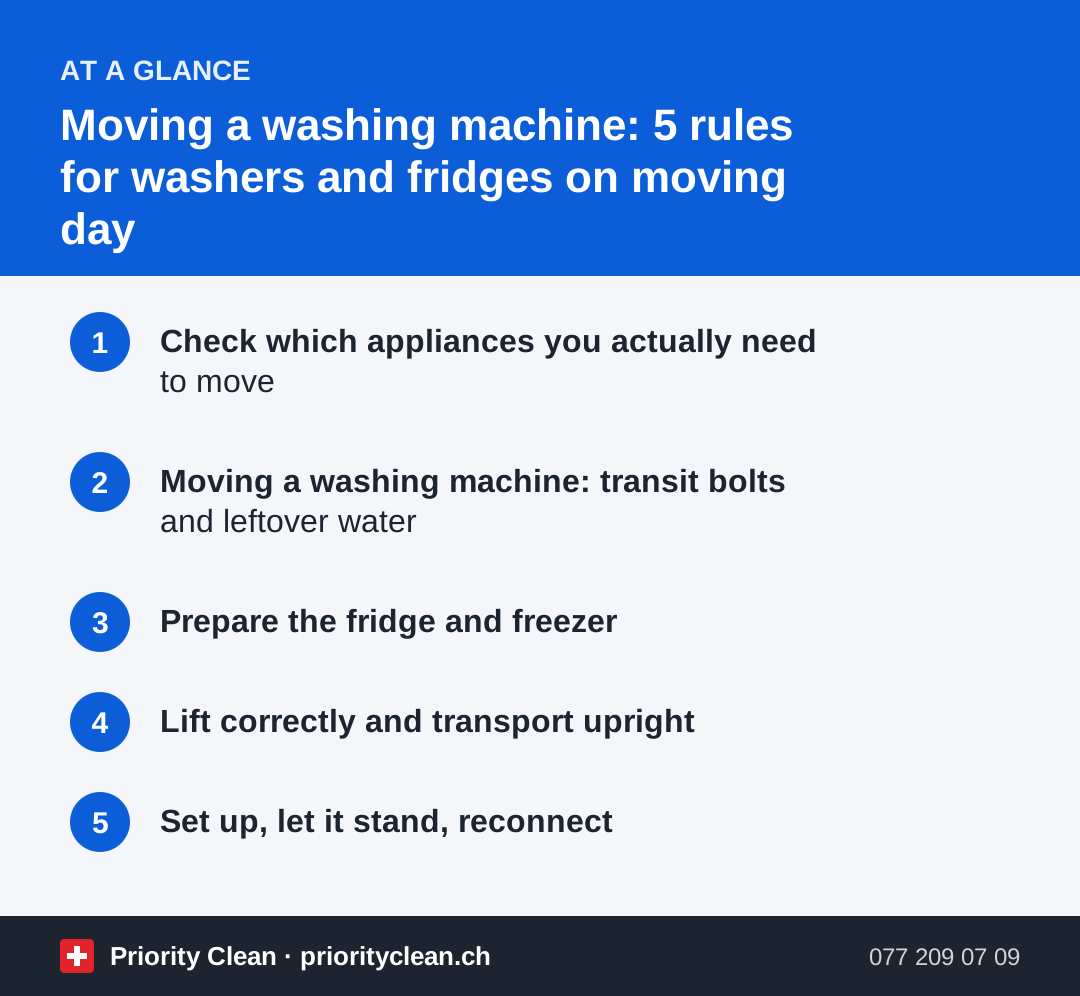
1. Check which appliances you actually need to move
In many rented flats in Switzerland, the fridge, cooker, oven and dishwasher come with the flat – and often the washing machine and tumble dryer too, unless they are in the building's shared laundry room anyway. These appliances stay put when you move out and are checked at the handover. So look at your lease and the handover report from when you moved in to see what belongs to you.
Check the new flat as well: is there space and a connection for your own machine, and do the house rules allow a private washing machine? The moving checklist on ch.ch takes you through the tasks before, on and after moving day – from the handover report for the old flat to the one for the new flat. For more on planning, see our moving checklist for Switzerland.
If you are replacing an old appliance, it belongs neither in household waste nor in the bulky waste collection: retailers must take back appliances of the kind they sell free of charge, even without a new purchase.
2. Moving a washing machine: transit bolts and leftover water
Transit bolts are usually several long bolts that slot into the back of the machine and hold the drum in place. They come with the appliance. If yours are missing, order them in good time from the manufacturer's customer service – the model number is on the rating plate.
- Do your last wash a few days before and leave the door open so the drum can dry.
- Unplug the machine and turn off the tap.
- Unscrew the inlet hose and detach the drain hose – have a bucket and cloths ready.
- Drain the remaining water through the emergency drain hose next to the pump filter into a shallow dish. There may be more than you expect.
- Clean and dry the filter and detergent drawer – our guide How to clean a washing machine shows how.
- Fit the transit bolts, secure the door and drawer with masking tape and tape the hoses to the machine.
3. Prepare the fridge and freezer
Plan your shopping so that supplies are used up in the last few days. Switch off fridges and freezers the day before and let the ice melt – step by step in our guide How to defrost a freezer and fridge. On moving day, a cool box is all you need.
Then clean the inside with warm water and a little washing-up liquid, dry everything well and leave the door ajar to prevent musty smells. Take out glass shelves and drawers and pack them separately in towels. Tape the door shut for transport. SwissEnergy (EnergieSchweiz) recommends defrosting freezers regularly and keeping the door seals clean so that they close tightly anyway – a move is a good opportunity to do both.
4. Lift correctly and transport upright
Washing machines are heavier than they look because of the concrete weights that steady the drum. Never lift one by the door, detergent drawer, lid or hoses. A sack truck with straps makes stairs and long distances easier.
Transport washing machines, fridges and heat pump tumble dryers upright wherever possible, and strap them to the side of the van. If a fridge or freezer really has to lie down, only do so in the way the instruction manual allows – usually on its side, never on the door.
5. Set up, let it stand, reconnect
In the new flat, place the washing machine on a firm, level floor and level it with a spirit level by adjusting the feet. Always remove the transit bolts before the first wash and fit the cover caps. If a machine with the bolts still in starts spinning, it can be badly damaged. Connect the hoses, open the tap slowly and check for leaks with a short programme without laundry. If there is no water supply or drain connection, that is a job for a plumber.
Let fridges and freezers stand before switching them on so the oil can collect in the compressor again. The instruction manual tells you how long; after being transported lying down, it takes considerably longer. Then set the temperature – SwissEnergy recommends 7 °C for the fridge and −18 °C for the freezer – and only put food back in once the appliance is cold.
Common mistakes
- Driving without transit bolts: the drum swings back and forth and damages the suspension.
- Forgetting the remaining water: it leaks in the van or freezes in the pump and valves.
- Laying the fridge down and switching it on straight away: this can damage the compressor.
- Not removing the bolts: the first spin cycle can cause serious damage.
- Taking the landlord's appliances: they belong to the flat and are checked at the handover.
Frequently asked questions
Can you transport a washing machine lying down?
Preferably not. Upright and with the transit bolts fitted, the drum is best protected. If it can't be avoided, check the instruction manual to see whether and on which side the machine may be laid down, and drain all the remaining water first.
What if the transit bolts are missing?
Order them in good time from the manufacturer's customer service; the model number is on the rating plate. Without the bolts, the drum can swing back and forth during transport and damage the springs and shock absorbers.
How long should a fridge stand after being moved?
The instruction manual tells you, and it depends on how the fridge was transported. After upright transport, the wait is shorter; after lying down, it is considerably longer, so the oil can flow back into the compressor.
Do I have to take the washing machine when I leave a rented flat?
Only if it belongs to you. In many rented flats, the washing machine and tumble dryer come with the flat and stay there. Check your lease and the handover report.
Thanks for your feedback! Feel free to share the guide.
Thanks! What was missing? Drop us a line – we will improve the guide. WhatsApp