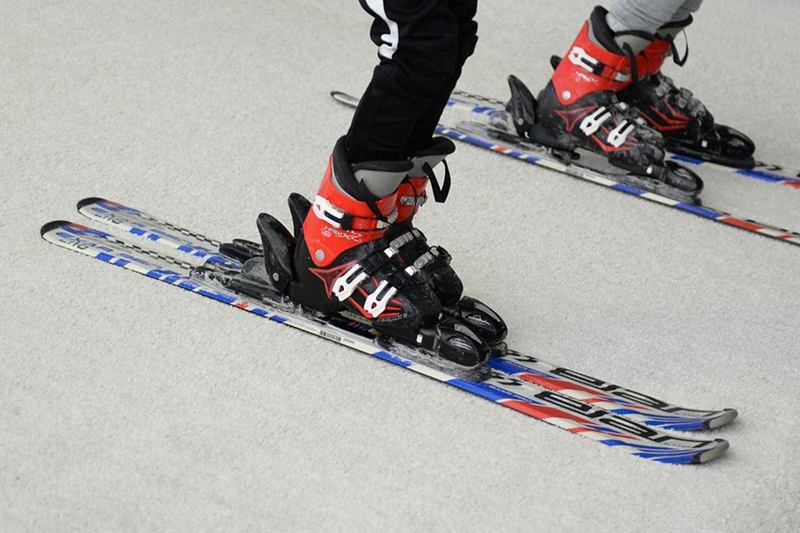
The first ski days of the season are behind you, the February sports holidays (Sportferien) are coming up – and now your ski boots are standing wet in the flat, the liners smell musty and your goggles are smeared. Knowing how to clean ski boots and dry them properly doesn't take much effort, just the right order and some patience with the drying.
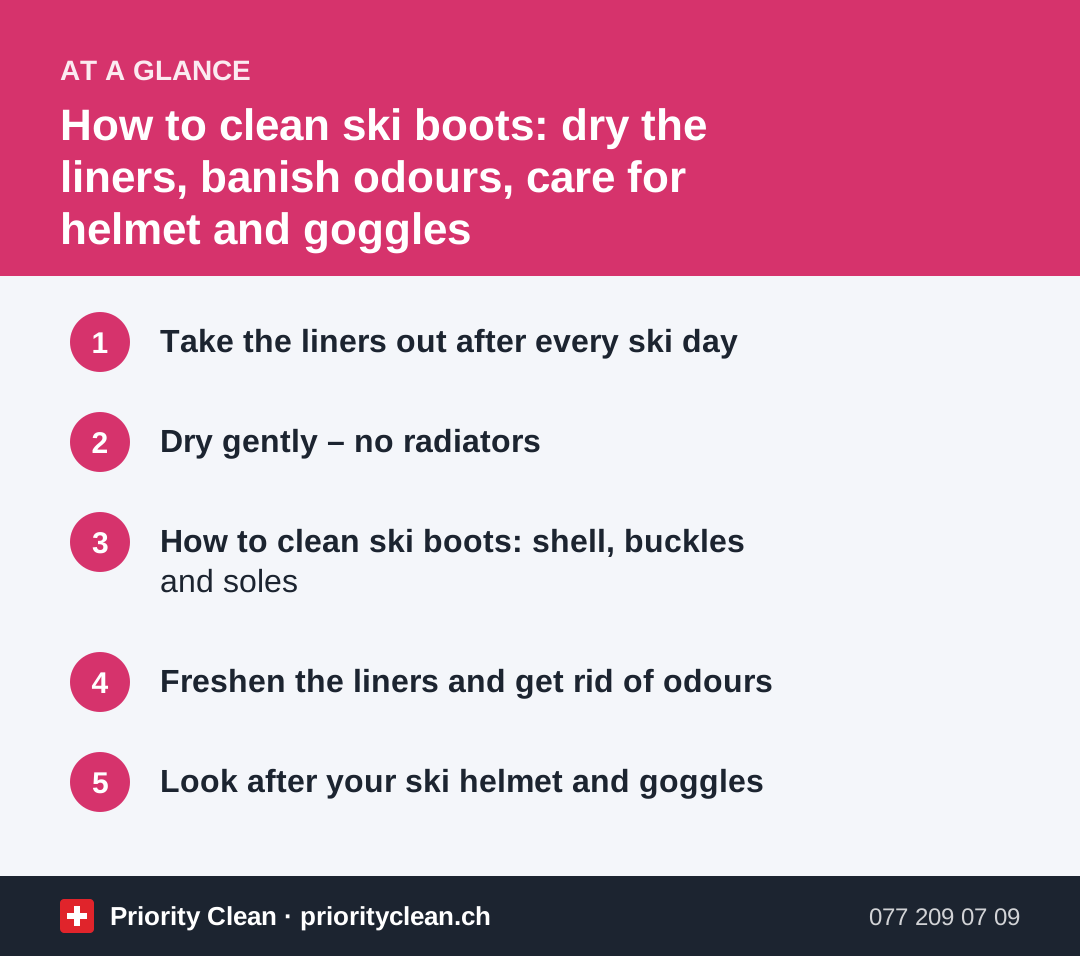
These five steps show how to look after shells and liners, prevent odours and keep your helmet and goggles in good shape too. For your jacket, see our guide on how to wash a ski jacket.
Why ski boots smell and wear out
Inside a ski boot, your feet sweat for hours in a tightly closed shell. The moisture collects in the liner, along with meltwater from the snow. If the liner stays in the shell overnight, it hardly dries at all: bacteria break down the sweat and the boots start to smell.
On the outside, road salt, slush and sand build up. They clog the buckles, and dirt or ice on the toe and heel of the sole stop the boot sitting cleanly in the binding.
| Problem | Common cause | What helps |
|---|---|---|
| Musty smell | Damp liner, bacteria | Take it out, dry it fully, baking soda |
| Cold feet in the morning | Liner stayed wet overnight | Dry it separately or with a boot dryer |
| White marks on the shell | Road salt | Wipe with a damp cloth |
| Buckles that stick | Sand, salt, ice | Brush off with water, then dry |
| Misshapen liner | Too much heat when drying | Gentle warmth only |
1. Take the liners out after every ski day
- Knock off snow and ice and open all the buckles.
- Spread the shell slightly at the tongue and carefully pull the liner out, heel first.
- Remove the footbed separately.
- Stand the shell, liner and footbed apart, with the shell's buckles open.
Heat-moulded liners fitted to your feet need particular care – don't fold or crush them. If a liner won't come out, ask your sports shop how best to dry it.
2. Dry gently – no radiators
Liners dry best in a heated room at room temperature, overnight or a little longer depending on how wet they are. Scrunched-up kitchen roll or newspaper stuffed inside draws out extra moisture; replace it after a few hours.
An electric boot dryer that works with gentle warmth or a stream of air is quicker. Choose a model designed for ski boots and follow the instructions. Radiators, fireplaces, stoves and a hot hairdryer are off limits: too much heat can damage foam and glue and throw heat-moulded liners out of shape.
3. How to clean ski boots: shell, buckles and soles
The shell only needs a thorough clean now and then:
- Shell: wash with lukewarm water and a little mild soap, then wipe over with clear water.
- Buckles and grooves: remove sand and salt with a soft brush and let them dry well.
- Salt marks: wipe them off with a damp cloth before they dry in.
- Toe and heel of the sole: keep them clean and check them for wear. Have badly worn soles or loose screws checked at a sports shop.
Avoid solvents such as acetone or thinners – they can attack the plastic.
4. Freshen the liners and get rid of odours
Wipe the inside of the liner with a damp cloth and a little mild soap, wipe again with clear water and let it dry completely. It only goes in the washing machine if the manufacturer expressly allows it. Footbeds are hand-washed in lukewarm soapy water.
Baking soda (Natron) works well against odours: the Swiss consumer protection foundation (Stiftung für Konsumentenschutz) lists it among the simple household remedies to use instead of lots of special products. Put two or three tablespoons into an old sock, tie it closed and leave it overnight in the dry liner. Don't sprinkle the powder in loose – it settles into seams and foam. Our guide to baking soda cleaning has more ideas.
Shoe deodorants and hygiene sprays don't replace drying. Many sprays are flammable: only use them in a well-ventilated room and never near a naked flame. Tox Info Suisse advises reading labels and hazard symbols before use and keeping products in their original packaging, out of children's reach.
5. Look after your ski helmet and goggles
Ski helmet:
- The inner pads and ear pads can usually be removed (Velcro or press studs). Hand-wash them in lukewarm water with a little delicates detergent, rinse well and leave them to air-dry.
- Wipe the shell inside and out with a damp cloth and mild soap, without solvents.
- Don't dry the helmet on the radiator or leave it in the sun behind the windscreen.
- After a hard fall, have the helmet checked at a specialist shop or replace it, even if nothing is visible from the outside.
Goggles:
- The inner lens usually has an anti-fog coating. Don't wipe it while it is wet: shake off the snow, let the goggles dry open in the air and only then dab them gently.
- Wipe the outside only with the microfibre bag supplied or a clean microfibre cloth – never with tissues, gloves or a jumper.
- Don't dry them on the radiator or with a hairdryer, and store them in their bag.
Common mistakes
- Putting ski boots on the radiator: heat can warp liners, glue and shell.
- Leaving the liner in the shell: it barely dries overnight and the smell gets worse.
- Rubbing the inside of the goggles dry: it damages the anti-fog coating.
- Leaving wet kit in the ski bag: moisture encourages odours and mildew spots.
Frequently asked questions
Can you put ski boots on the radiator?
Better not. Strong heat can deform foam, glue and heat-moulded liners. Dry the liners separately at room temperature or use a boot dryer with gentle warmth.
How do you get the smell out of ski boots?
Take the liners out after every ski day, dry them completely and wear fresh socks every day. Overnight, a small bag of baking soda in the dry liner helps; if the smell is strong, wipe the inside with a little mild soap.
Can ski boot liners go in the washing machine?
Only if the manufacturer expressly allows it. Most liners are wiped clean by hand with a damp cloth so that the foam and fit aren't damaged.
How do you clean ski goggles without scratching them?
With the microfibre bag supplied or a clean microfibre cloth. Don't rub the inside while it is wet: let the goggles dry open, then dab them gently.
Thanks for your feedback! Feel free to share the guide.
Thanks! What was missing? Drop us a line – we will improve the guide. WhatsApp