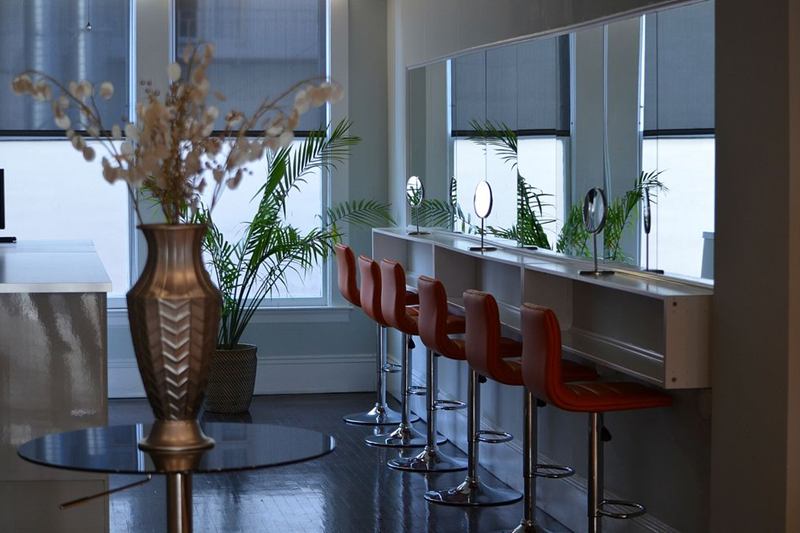
Clients notice straight away whether a salon is well kept: hair under the chair, a comb still showing traces of the last client or colour rings on the basin all leave a poor impression. Good hair salon cleaning is therefore about hygiene, but it is also your calling card – and it works best with a clear plan.
In summer, when it's warm and many clients come in just before the holidays, it quickly becomes obvious whether your routines hold up. Here you'll find what needs doing after every client, every day and every week, and what to watch out for with tools, laundry and chemicals.
Why a hair salon needs a hygiene plan
In a salon, many people come into contact with the same chairs, neck rests and tools. Combs and brushes touch the scalp, and a razor can cause tiny cuts. For tattooing and piercing, the Federal Food Safety and Veterinary Office (FSVO/BLV) stresses that pathogens can enter through a wound and that poor studio hygiene can cause infections. In a hair salon the same simple rule applies: anything that touches skin must be clean.
Then there's employment law. Under Ordinance 3 to the Swiss Employment Act, buildings, rooms, workplaces and sanitary facilities must be kept clean, with the necessary cleaning equipment available. A written hygiene plan sets out who does what and when – and helps new staff find their feet quickly.
| When | What |
|---|---|
| After every client | Sweep up hair, wipe chair and neck rest, clean tools, change towel and gown |
| Daily | Basins and drain strainers, workstations, mirrors, toilet, damp-mop the floor, empty bins |
| Weekly | Chair bases and castors, hood dryers, hairdryer filters, shelves, door handles and light switches thoroughly |
| Monthly | Windows, lamps, ventilation grilles, check supplies |
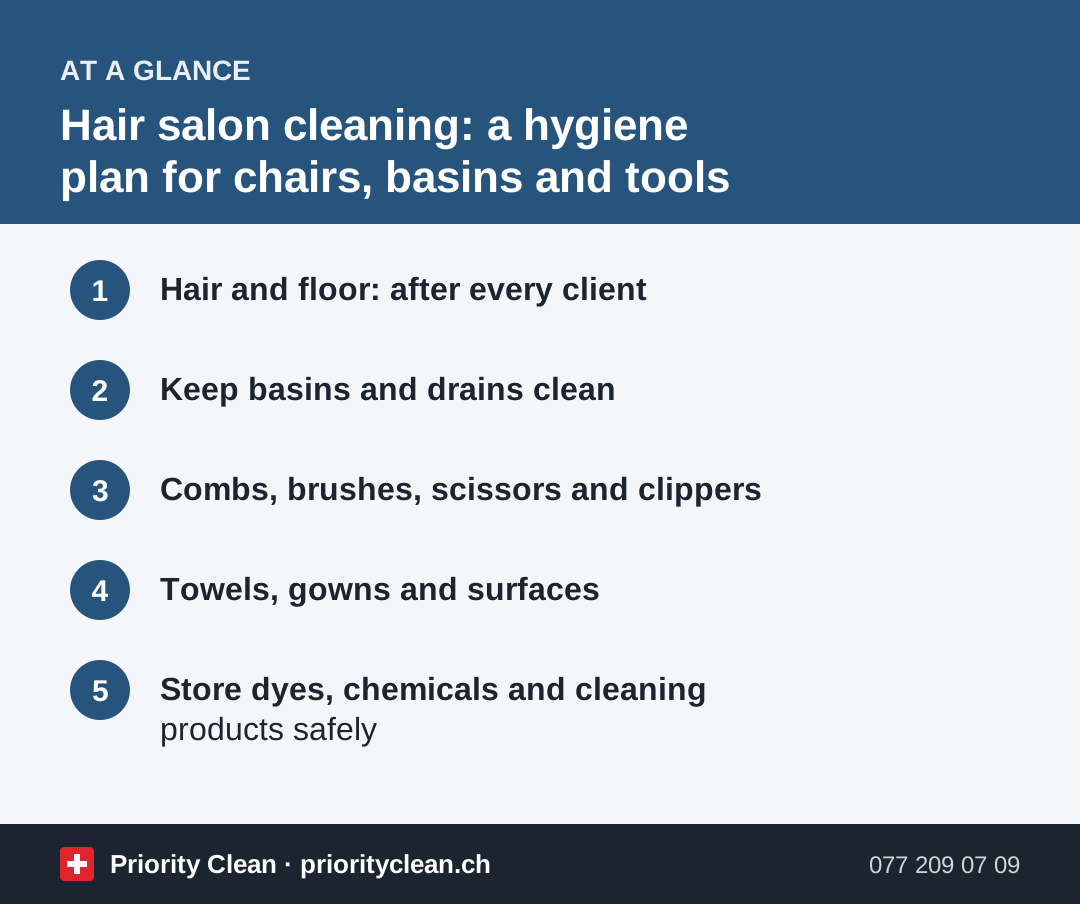
1. Hair and floor: after every client
Hair is the biggest source of dirt in a salon. Sweep it up after every client with a brush and dustpan or a handheld vacuum before it spreads around the room. Short beard clippings fly especially far – a vacuum with a crevice tool is handy here.
In the evening, the floor is damp-mopped. Suva, the Swiss accident insurer, names slippery floors and wet floor cleaning among the typical hazards in building cleaning. In a salon you also have wet hair, splashes and hair products. So mop with a barely damp mop rather than a wet one, put out a warning sign if needed and ideally do the cleaning after closing time.
2. Keep basins and drains clean
Shampoo, colour residue and hair collect at the backwash basin. Clean the bowl, tap and shower head daily with a mild all-purpose or bathroom cleaner, and remove colour splashes immediately before they dry. The neck rest is wiped after every client.
Empty the drain strainer several times a day. Hair in the trap is the most common cause of blocked drains. If the strainer is no longer enough, clean the trap mechanically rather than reaching for aggressive drain cleaners. In a hair salon, it pays to give this a fixed slot in the weekly plan.
3. Combs, brushes, scissors and clippers
Tools that touch skin and hair are cleaned after every use:
- Remove hair: clear combs and brushes of hair with a comb or small brush, as described in our guide on how to clean a hairbrush.
- Wash: with warm water and a little shampoo or washing-up liquid, then rinse well.
- Disinfect: with a suitable instrument disinfectant as directed by the manufacturer – stick exactly to the concentration and contact time.
- Dry and store covered: in a clean drawer or box, not out in the open next to the splash zone.
Wipe scissors after every client and disinfect them with a product suitable for metal. For clippers, brush out the cutting head and treat it with the spray recommended by the manufacturer. Disposable razor blades go into a puncture-proof container after every use.
4. Towels, gowns and surfaces
Change towels and cutting gowns after every client. Wash towels at 60 °C or higher if the care label allows, and let them dry completely before stacking – towels stored damp soon smell musty. Plastic gowns are wiped down or washed according to the label.
Chairs, armrests and shelves get a quick wipe after every client, and mirrors a streak-free clean every day. Once a week it's the turn of chair bases, trolley castors, hood dryers and hairdryer filters. Frequently touched spots such as door handles, card terminal and light switches are wiped daily. For organising the routine, see our guide to an office hygiene plan.
5. Store dyes, chemicals and cleaning products safely
In a salon, hair dyes, bleaching powders, hydrogen peroxide developers and perm solutions sit next to cleaning products and disinfectants. Suva lists hazardous substances among the key risks in cleaning.
Dispose of leftover colour and empty containers according to the manufacturer's instructions and your municipality's rules. Chemical residues don't belong down the sink.
Common hair salon cleaning mistakes
- Leaving hair until the evening: it spreads through the whole salon and makes the floor slippery.
- Disinfecting without contact time: a quick spray and immediate wipe isn't enough – the manufacturer's instructions apply.
- Stacking damp towels: this encourages smells and germs.
- Drain cleaner instead of a strainer: aggressive products rarely solve the problem and are hard on pipes and staff.
Similar routines apply in nail and beauty studios – more in our guide on beauty salon cleaning.
Frequently asked questions
How often should a hair salon be cleaned?
Hair, tools, towels and chair after every client; floor, basins, mirrors and toilet daily; other areas such as chair bases, hood dryers and shelves weekly. A written hygiene plan helps you not to forget anything.
Do combs and scissors need disinfecting after every client?
They are cleaned after every use. Disinfect especially tools that come into contact with skin or can cause cuts, using a suitable product as directed by the manufacturer. Cantonal requirements and industry recommendations take precedence.
At what temperature should salon towels be washed?
At 60 °C or higher if the care label allows. What matters is that they dry completely before being stacked, otherwise they smell musty.
What helps against hair in the drain?
A drain strainer that is emptied several times a day and regular mechanical cleaning of the trap. Aggressive drain cleaners are rarely needed and must never be combined with other products.
Thanks for your feedback! Feel free to share the guide.
Thanks! What was missing? Drop us a line – we will improve the guide. WhatsApp