A fingerprint on the glass door, grit on the doormat, a sticky counter: customers spot these things within seconds, long before they look at what you sell. Good shop cleaning is therefore not left to chance but follows a plan based on footfall, from the entrance all the way to the shop window.
Whether it is a boutique, a bakery counter, a bike shop or a kiosk, the basic rules are the same. This checklist shows which areas need attention daily, weekly and monthly, and how to organise the work so it does not get in the way of trading.
Why planned shop cleaning pays off
Dirt builds up differently in a shop than in an office. Every customer brings in street dust, grit, rain or pollen, and many hands touch doors, baskets, goods and the counter. In bad weather the entrance can be dirty again within an hour.
On top of that comes your duty as an employer. Under Swiss labour law, buildings, rooms, workplaces and sanitary facilities must be kept clean and in good order, and the necessary cleaning equipment must be available – as set out in the SECO commentary on Art. 37 ArGV 3. That also applies to the staff room, the stockroom and the staff toilet, which customers never see.
| Zone | Typical dirt | Where it shows |
|---|---|---|
| Entrance, doormat | Grit, water, leaves, road salt in winter | As soon as people step in |
| Till, counter | Fingerprints, dust, sticky residue | At the moment of paying |
| Sales floor | Dust on shelves, footprints on the floor | While browsing |
| Fitting rooms | Hair, dust, smears on the mirror | When trying things on |
| Shop window | Fingerprints, rain streaks, dead insects | From the pavement |
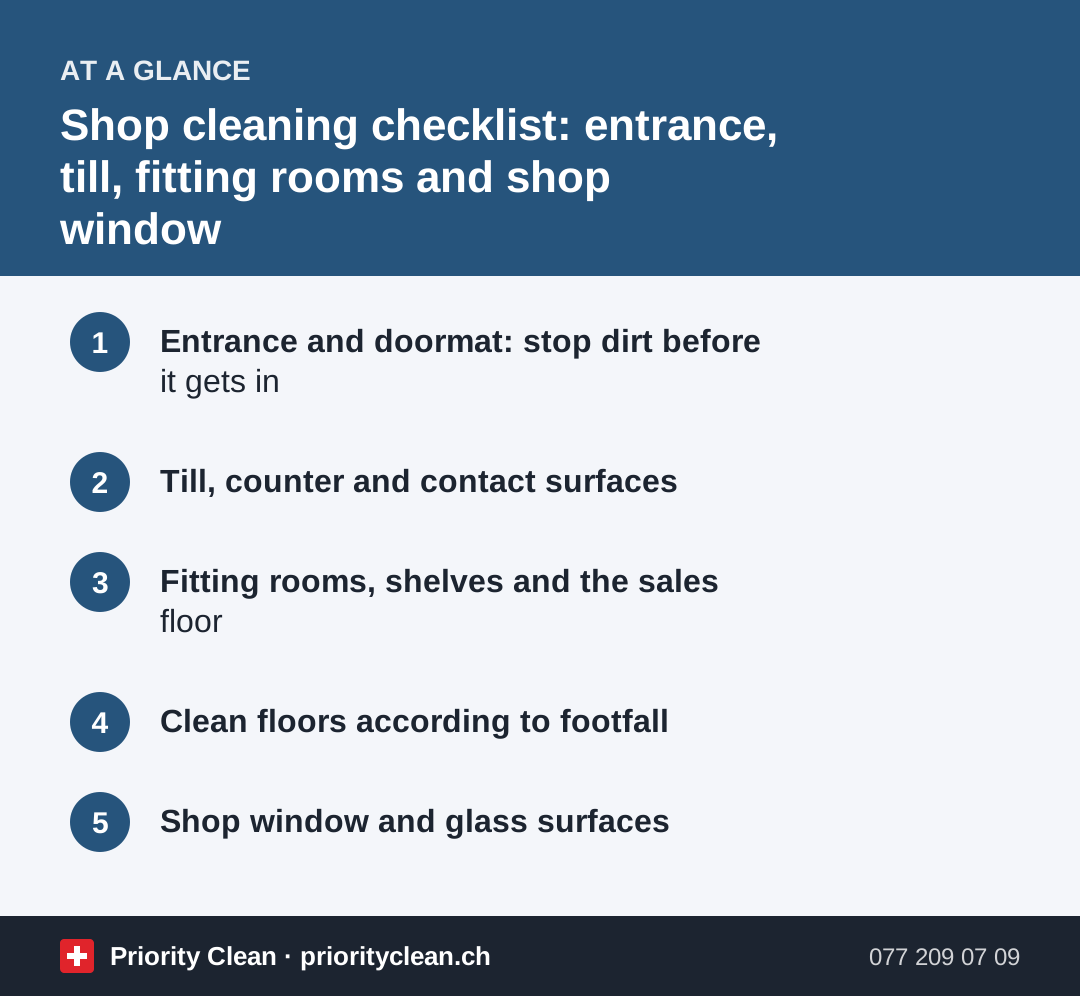
1. Entrance and doormat: stop dirt before it gets in
Most of the dirt on the floor arrives on the soles of shoes. A long enough barrier zone – ideally a scraper mat outside and an absorbent mat inside – traps it before it spreads through the whole shop. The guide Entrance matting for offices and shops explains how to choose the right one.
- Vacuum or shake out the mat daily, several times a day in rain or snow.
- Clean under the mat as well; grit collects there and scratches the floor.
- Wipe the glass door and handle on both sides – everybody touches them.
- Check the pavement outside too: cigarette ends and leaves put people off.
Swap a wet mat as soon as it stops absorbing water. Otherwise customers carry the moisture further in and the floor becomes slippery.
2. Till, counter and contact surfaces
Customers and staff spend the most time at the till. Wipe the counter, card terminal, screen edge, baskets and door handles with a damp cloth every day. For terminals and screens use only a barely damp microfibre cloth, never spray cleaner directly onto them, and follow the manufacturer's instructions.
Tidy visible drawers, stacks of bags and display stands at the same time. A tidy till area looks cleaner even without any extra scrubbing.
3. Fitting rooms, shelves and the sales floor
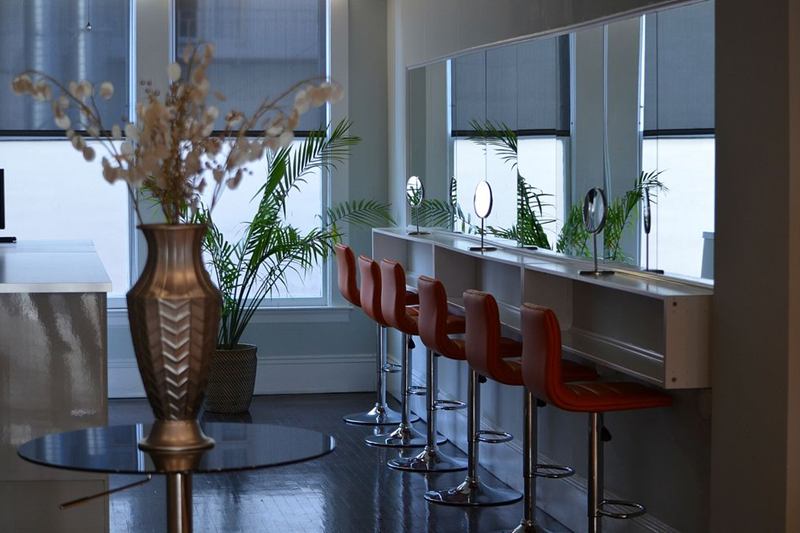
In fashion shops, the fitting rooms are the most honest mirror of your cleaning routine. Check them several times a day for forgotten hangers, tags and hair. Clean mirrors and shelves daily, and wash or vacuum the curtains regularly depending on the fabric.
On the sales floor, dust settles mainly on shelves, clothes rails, lights and decorations. Work from top to bottom and from the back towards the entrance. Take goods off briefly to dust, or use a change of range to clean the shelving thoroughly.
4. Clean floors according to footfall
How often the floor needs cleaning depends mainly on footfall, weather and the type of floor. Follow the care instructions for your floor covering – natural stone, parquet and vinyl need different products.
| Situation | Suggested routine |
|---|---|
| Few customers, dry weather | Sweep or vacuum daily, mop every few days |
| Normal footfall | Vacuum or sweep and mop daily |
| Heavy footfall, rain or snow | Entrance several times a day, rest of the floor daily |
| Food, coffee corner | Mop daily, remove spills straight away |
In its checklist for building cleaning, Suva explicitly lists slippery floors and wet floor cleaning as hazards. So the rule is: mop before opening or after closing wherever possible. If it has to happen during the day, work in sections, put up a warning sign and leave a dry walkway.
5. Shop window and glass surfaces
The shop window is your business card. The inside of the glass, the glass door and display plinths belong in the weekly plan, and daily if there are fingerprints. The outside needs a fixed routine depending on height and location. The guide Shop window cleaning shows which technique leaves no streaks.
Schedule shop cleaning outside opening hours
The thorough clean is best done when there are no customers: early in the morning before opening, in the evening after closing or on your closing day. Then you can mop the floors, move stock and work in peace. During trading hours, stick to the essentials: entrance, till, fitting rooms and spills.
Common mistakes
- Only cleaning what customers see: stockroom, staff room and staff toilet are part of your duties under labour law too.
- Mopping during opening hours: raises the risk of slips for customers and staff.
- A doormat that is too short: the dirt ends up on the sales floor anyway.
- No clear responsibilities: without a plan, the entrance gets forgotten on a busy Saturday. Assign every task to a person.
Many points are similar to cleaning an office. You will find a detailed list in the office cleaning checklist.
Frequently asked questions
How often should a shop be cleaned?
In a shop with normal footfall, the entrance, till, door handles and floors should be cleaned daily. Shelves, lights and the inside of the window are usually fine weekly; outside panes and hard-to-reach spots monthly or as needed.
When is the best time for shop cleaning?
The thorough clean is best done outside opening hours – early in the morning, in the evening or on your closing day. During the day, limit yourself to the entrance, till, fitting rooms and spills.
Does the employer also have to keep the staff room and staff toilet clean?
Yes. Under Swiss labour law, rooms, workplaces and sanitary facilities must be kept clean and the necessary cleaning equipment must be available. How you organise it is up to you. For detailed questions, contact the cantonal labour inspectorate.
How do I stop customers slipping on a wet floor?
Mop before opening or after closing wherever possible. During the day, work in sections, put up a warning sign and leave a dry route. A good doormat at the entrance also keeps moisture off the sales floor.
Thanks for your feedback! Feel free to share the guide.
Thanks! What was missing? Drop us a line – we will improve the guide. WhatsApp