It gets used every day and is still often forgotten: water dripping off the toothbrushes collects at the bottom of the toothbrush cup, along with toothpaste residue and limescale. Once you know how to clean a toothbrush holder or cup properly, it only takes a few minutes a week – hot water, washing-up liquid, a brush and, for limescale, a little citric acid.
The same goes for the holder with slots and the soap dish, two more spots by the washbasin where a slimy film forms quickly. These five steps keep everything clean.
Why deposits build up in a toothbrush cup
After brushing, the wet toothbrushes go back into the cup head up. The water runs down the handle and collects at the bottom, together with traces of toothpaste and saliva. Because the bottom hardly ever dries, a slippery film builds up there over time, sometimes with pink or dark discolouration. Pink deposits in the bathroom are usually caused by bacteria, while black dots can point to mould.
Then there is limescale: when the water evaporates, it leaves a white ring behind. How pronounced it is depends on the water hardness, which varies from commune to commune in Switzerland. On the platform of the Swiss Gas and Water Association (SVGW), you can look up the water hardness where you live by postcode. The harder the water, the more often descaling is worthwhile.
| Material | Dishwasher? | Against limescale |
|---|---|---|
| Glass | usually yes, top rack | citric acid or vinegar |
| Ceramic, porcelain | usually yes; gold or silver decoration by hand | citric acid or vinegar |
| Plastic | only if labelled dishwasher-safe | citric acid, short contact time |
| Stainless steel | usually yes | citric acid, then rub dry |
| Bamboo, wood | no – by hand, don't soak | wipe with a damp cloth, let it dry well |
| Marble and other natural stone | no | no acid, only mild washing-up liquid |
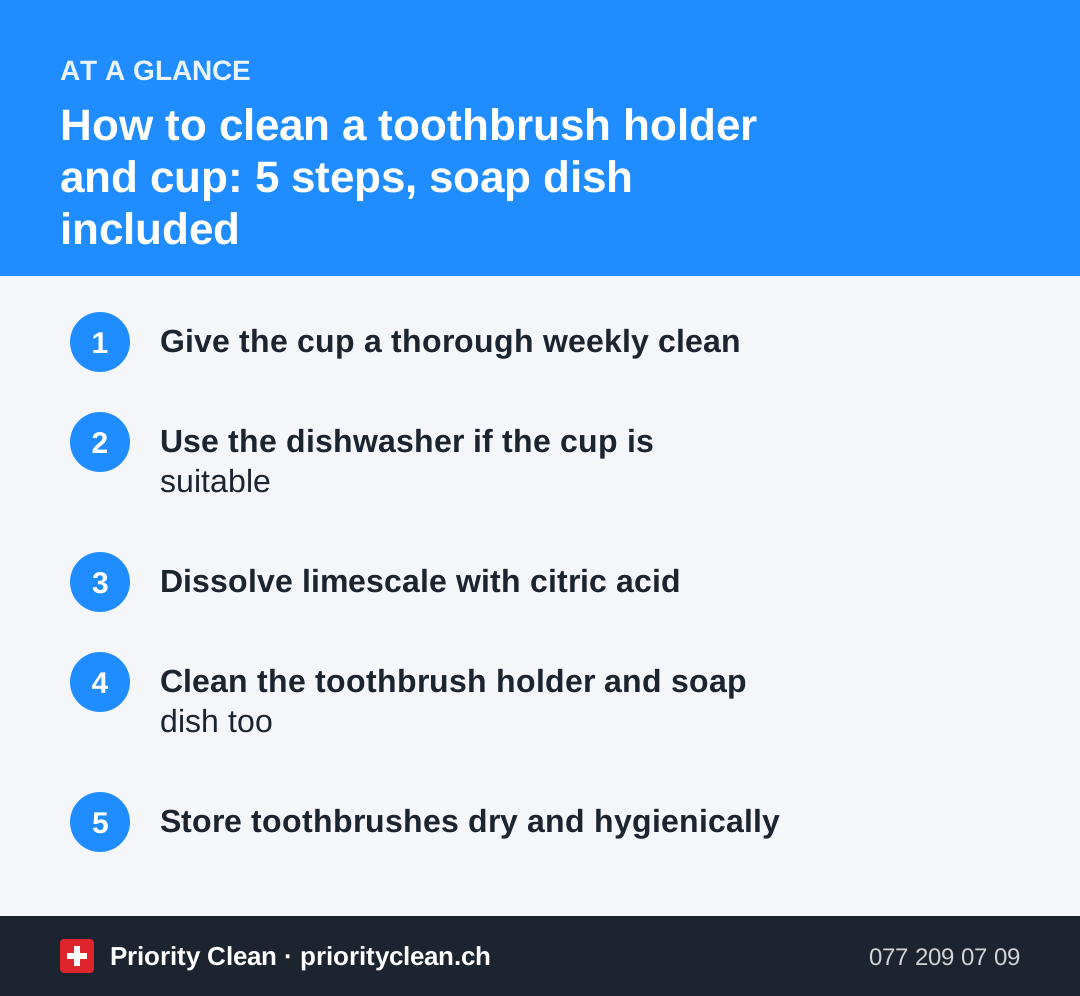
1. Give the cup a thorough weekly clean
This is how the toothbrush cup gets properly clean again:
- Take out the toothbrushes and lay them on a clean cloth.
- Fill the cup with hot water and a drop of washing-up liquid.
- Scrub the inside with a bottle brush, paying particular attention to the bottom and the lower edge.
- Wipe the outside and the base too – toothpaste splashes collect there as well.
- Rinse thoroughly and let it dry completely upside down on a cloth.
If your cup sits in a wall bracket or on a suction cup, take the bracket off too, because that is often where most of the dirt hides.
2. Use the dishwasher if the cup is suitable
Glass and ceramic cups can usually go in the dishwasher, ideally on the top rack. Plastic only if it is labelled dishwasher-safe – otherwise it can warp or go dull. Wash bamboo, wood, natural stone and cups with gold or silver decoration by hand.
3. Dissolve limescale with citric acid
An acid helps against white limescale rings. The Swiss consumer protection foundation (Stiftung für Konsumentenschutz) lists citric acid and vinegar among the household remedies that can replace many special cleaners. Here's how:
- Dissolve citric acid in warm water as directed on the pack and pour it into the cup.
- Leave it to work until the limescale dissolves – a little longer for thick rings.
- Scrub with the brush, rinse thoroughly and let it dry.
Citric acid has no smell, which makes it more pleasant than vinegar in the bathroom. Which product suits which job is explained in our guide Citric acid or vinegar for descaling?
4. Clean the toothbrush holder and soap dish too
The toothbrush cup's neighbours also need regular care:
- Toothbrush holder with slots or holes: clean the openings with a narrow bottle brush or a cotton bud, as water often pools underneath.
- Charging base of an electric toothbrush: unplug it first, only wipe it with a damp cloth and never hold it under water.
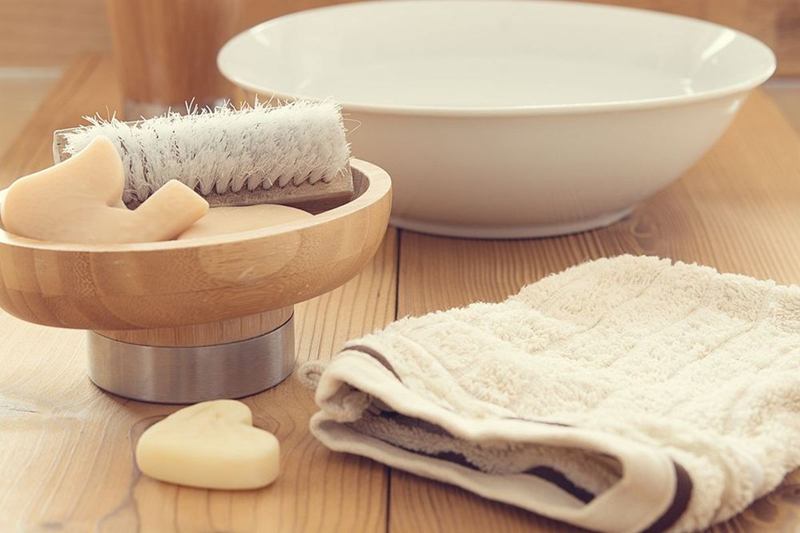
- Soap dish: soap residue and limescale combine into a greyish-white, greasy layer known as lime soap. Soak the dish briefly in warm water, scrub it out and treat any limescale with citric acid as described above.
A soap dish with ridges or drainage holes lets the soap dry out – which saves both soap and cleaning. How to get the washbasin and taps free of limescale afterwards is shown in our guide on how to clean a bathroom sink.
5. Store toothbrushes dry and hygienically
A clean cup is of little use if the toothbrushes are crammed in wet:
- Rinse your toothbrush well after brushing and tap it dry.
- Let it air-dry upright, head up.
- The heads of different toothbrushes should not touch.
- Only use protective caps when travelling, and only once the brush is dry.
- Replace the toothbrush as soon as the bristles start to splay.
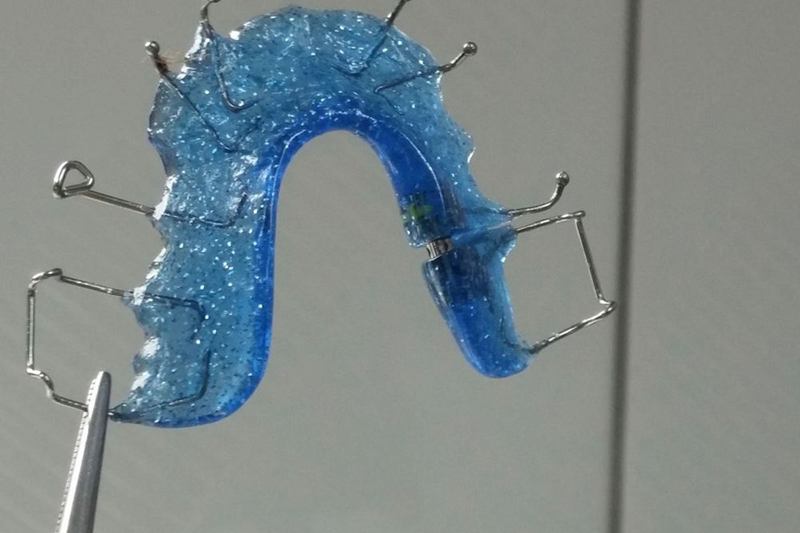
If you wear a retainer, it's a good idea to wash its case at the same time – see our guide on how to clean a retainer or night guard.
Common mistakes
- Only rinsing: water alone won't dissolve the slimy film – you need washing-up liquid and a brush.
- Putting it back wet: a damp cup bottom is the ideal place for new deposits.
- Abrasive cleaners on plastic: scratches roughen the surface, and dirt clings to it even better.
- Vinegar on marble: the acid leaves dull, rough patches that can't be cleaned away.
- Disinfectant spray instead of cleaning: without a brush and washing-up liquid, the film stays put.
Frequently asked questions
How often should you clean a toothbrush cup?
At least once a week, thoroughly, with hot water, washing-up liquid and a brush. In between, it helps to empty it and let it dry upside down. If your water is hard, also treat limescale rings with citric acid.
Can a toothbrush holder go in the dishwasher?
Glass, ceramic or porcelain ones usually can, ideally on the top rack. Plastic only if it is labelled dishwasher-safe. Wash bamboo, wood, natural stone and holders with metallic decoration by hand.
How do I get limescale out of a toothbrush cup?
With citric acid or vinegar in warm water: pour it in, leave it to work, scrub and rinse well. Don't use acid on cups made of marble or other natural stone, as it attacks the stone.
What is the pink slime in my toothbrush holder?
Pink or reddish deposits in the bathroom usually come from bacteria that settle in damp places. They can be removed with hot water, washing-up liquid and a brush. What matters most is that the cup or holder can dry out properly afterwards.
Thanks for your feedback! Feel free to share the guide.
Thanks! What was missing? Drop us a line – we will improve the guide. WhatsApp