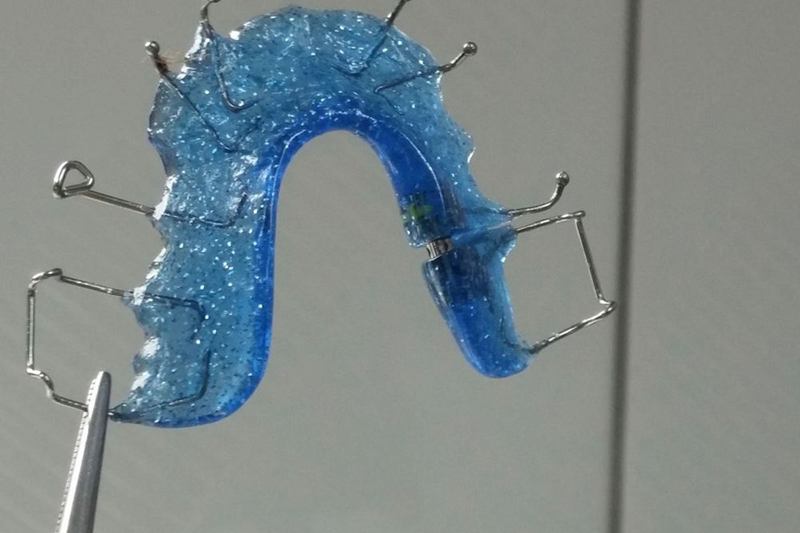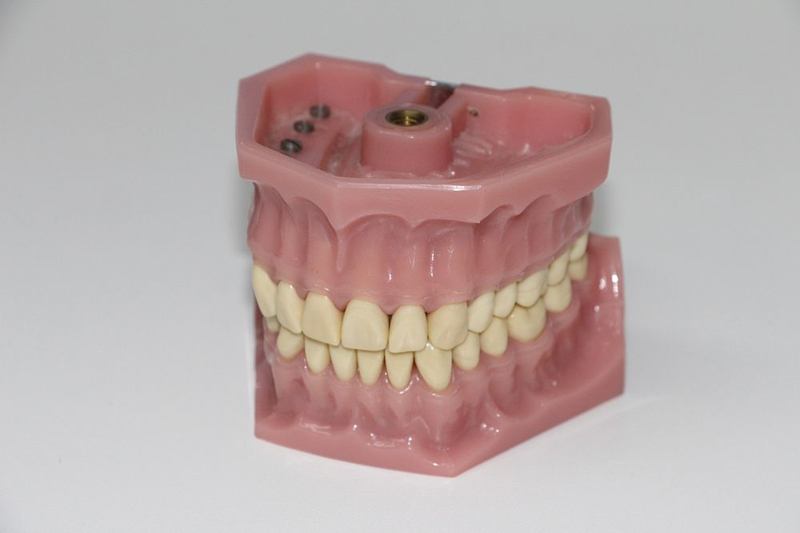
Put in each morning, taken out at night, with a quick rinse under the tap in between – for many people with full or partial dentures, that is all the care they get. If you want to know how to clean dentures so they last and your mouth stays healthy, you need a little more: the right brush, a mild cleaner and a few simple moves that prevent breakage.
This guide is for denture wearers and for relatives who support older parents in everyday life. It does not replace advice from your dentist – if there is pain, pressure sores or a crack, the denture belongs at the dental practice.
Why it matters how you clean dentures every day
Deposits build up on dentures just as they do on natural teeth. According to the denture care page of the University Centre for Dental Medicine Basel (in German), full and partial dentures need regular, careful cleaning to remove food residue, plaque and bacteria. This prevents gum inflammation, fungal infections and bad breath, and makes the dentures last longer.
The acrylic of a denture is also softer than tooth enamel. Scratches give bacteria and stains more to cling to. So it matters not only that you clean, but also what you clean with.
| Problem | Typical cause | What helps |
|---|---|---|
| Food residue, soft deposits | Not rinsing after meals | Rinse after every meal, brush daily |
| Stains from coffee, tea or smoking | Deposits that set in | Cleaning tablets as directed on the pack |
| Hard, yellowish tartar | Minerals from saliva | Professional cleaning at the dentist's |
| Pressure sores, loose fit, cracks | Changes in the jaw or damage | Dentist – do not repair it yourself |
1. Rinse after every meal
The simplest step is the most important: Geneva University Hospitals (HUG) recommend that you rinse the denture after every meal and brush it once a day. Take it out, rinse it under lukewarm water and rinse your mouth too. That way food residue does not get a chance to set.
Do not use hot water. Heat can warp the acrylic so it no longer fits properly.
2. How to clean dentures: brushing daily over the basin
Once a day, ideally in the evening, give your false teeth a thorough clean:
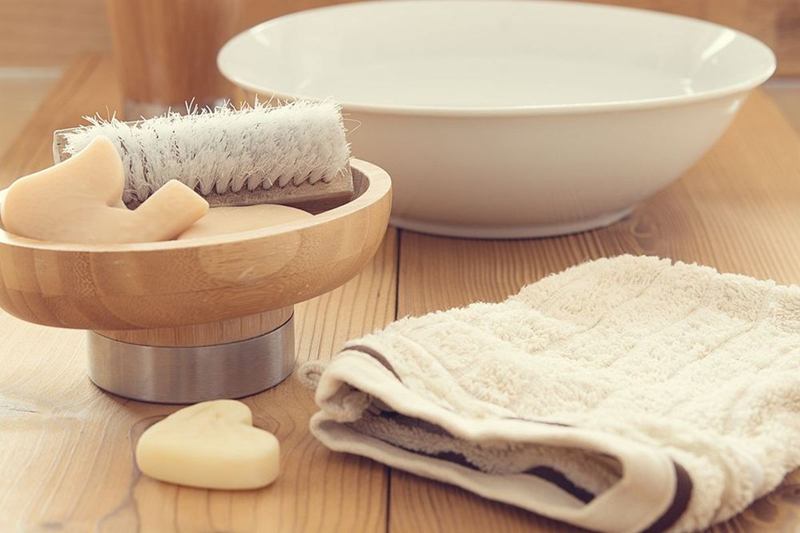
- Prepare the basin: fill it halfway with water or lay a folded towel in it. If the prosthesis slips, it has a soft landing. The HUG instructions give the same tip.
- Choose the right brush: a denture brush has two bristle heads and reaches every surface, including the inside and the clasps of partial dentures. The Basel centre recommends one specifically.
- Use a mild cleaner: according to the Basel centre, water and a little mild washing-up liquid are enough for daily cleaning. Mild soap works too.
- Brush every surface: outside, inside, the surface that rests on the palate and around clasps and attachments – until no visible deposits remain.
- Rinse thoroughly: rinse off all soap before it goes back in your mouth.
3. Remove stubborn deposits with tablets or ultrasound
For deposits the brush cannot shift, the Basel centre mentions special cleaning tablets. Use them exactly as directed on the pack, then brush and rinse thoroughly. Another option is an ultrasonic cleaner; according to the Basel centre, dental practices also offer this kind of cleaning.
Hard tartar on dentures is difficult to remove safely at home. Never scrape it off with a knife, wire brush or abrasive cleaner – it damages the surface. Instead, have it cleaned professionally at your dental check-up.
Clean the cup the denture sits in every day as well – see our guide on cleaning a toothbrush cup.
4. Care for your mouth and store dentures overnight
Care does not stop at the false teeth. According to the Basel centre, the mouth, tongue and palate should be cleaned every day too. The HUG instructions advise brushing the tongue and wiping the inside of the mouth with a damp compress. With a partial denture, brush your natural teeth as usual with a toothbrush and toothpaste.
For the night, the HUG instructions are clear: after the evening clean, store the denture dry in a denture box, then rinse your mouth and the prosthesis in the morning before putting it back in. Whether you should wear it at night or take it out is something to discuss with your dentist. To care for a night guard in a similar way, read how to clean a night guard.
5. Helping a relative day to day
When hands shake, eyesight fades or strength is lacking, denture care becomes a struggle. Relatives can help without taking over:
- Keep the brush, soap and box in a fixed, well-lit spot by the basin.
- A denture brush with a thick handle is easier to hold.
- Wear disposable gloves when helping and calmly explain what you are doing.
- Look out for pressure sores, redness or bad breath and let the dentist know.
Pro Senectute distinguishes between nursing care, provided for example by Spitex home care services, and support with everyday life. According to Pro Senectute, the cantonal organisations offer, among other things, household and cleaning help as well as relief for caring relatives. Our guide to home help for older people gives an overview of the options.
Common mistakes when cleaning dentures
- Cleaning over an empty basin: even a short fall can break off a tooth.
- Using ordinary toothpaste: abrasive particles scratch the acrylic.
- Hot or boiling water: the acrylic can warp.
- Scraping off tartar yourself: this damages the surface – better to have it cleaned at the dentist's.
- Only caring for the false teeth: the tongue, palate and gums need daily care too.
Frequently asked questions
What is the best way to clean dentures?
With a special denture brush, water and a little mild washing-up liquid or mild soap. For stubborn deposits, use cleaning tablets as directed on the pack. Ordinary toothpaste is not suitable because of its abrasive particles.
How often should dentures be cleaned?
Rinse them after every meal and brush them thoroughly once a day, ideally in the evening. Clean your mouth, tongue and palate every day as well.
How do I remove tartar from dentures?
Hard tartar is a job for the dentist, who cleans it professionally, for example in an ultrasonic bath. Do not scrape it off yourself, as the resulting scratches attract new deposits.
Should dentures be kept in water overnight?
Geneva University Hospitals recommend storing the denture dry in a box after the evening clean and rinsing it in the morning. Ask your dentist whether you should wear it at night or not.
Thanks for your feedback! Feel free to share the guide.
Thanks! What was missing? Drop us a line – we will improve the guide. WhatsApp