The dog or cat gets fresh food – but the bowl is often the same one as yesterday and the day before. Over time, crusts of food build up and the bottom of the water bowl suddenly feels slippery. Proper pet bowl cleaning doesn't need special products, just a fixed routine.
In summer it matters even more: in the heat, wet food spoils faster and germs multiply quickly in water. Here you'll find out how often each bowl should be washed, which material works best and what applies if you feed raw food.
Why regular pet bowl cleaning matters
When animals eat, they leave food residue and saliva in the bowl – ideal conditions for bacteria. In the water bowl, a slimy film forms on the bottom and sides within a few days: the so-called biofilm. It's barely visible, but you can easily feel it if you run a finger over the bottom.
With wet food, dried leftovers also spoil quickly and attract flies. Animals react in their own way: cats often snub a bowl that smells stale, while dogs empty it anyway. The Federal Food Safety and Veterinary Office (FSVO/BLV) points out that in the kitchen, germs spread via hands, chopping boards, utensils and cloths, and that worktops and utensils should be cleaned with hot water and soap. The same principle applies to pet bowls.
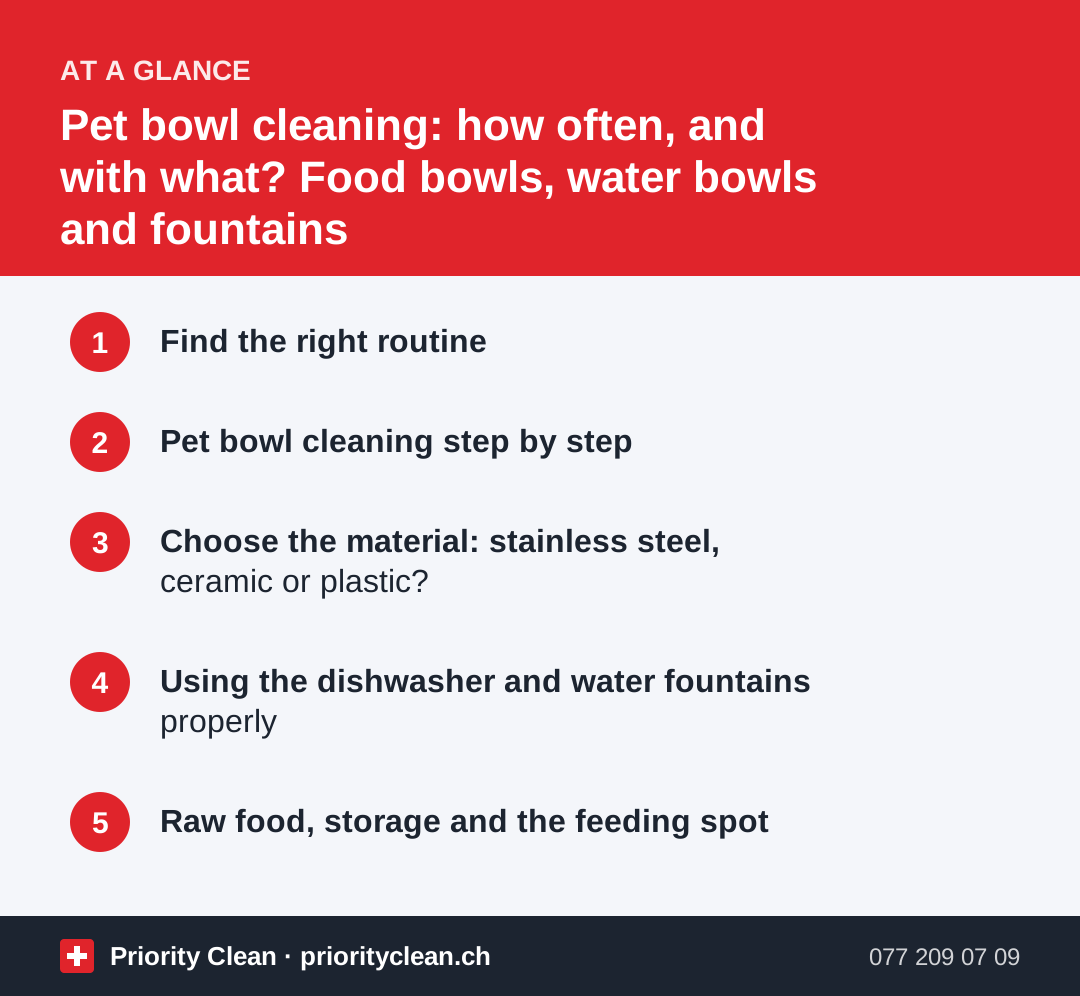
1. Find the right routine
How often a bowl needs washing depends mainly on the food:
| Bowl | Routine | Thorough clean |
|---|---|---|
| Water bowl | Rinse daily and refill with fresh water | Several times a week with washing-up liquid |
| Wet food | After every meal | Every time, with hot water and washing-up liquid |
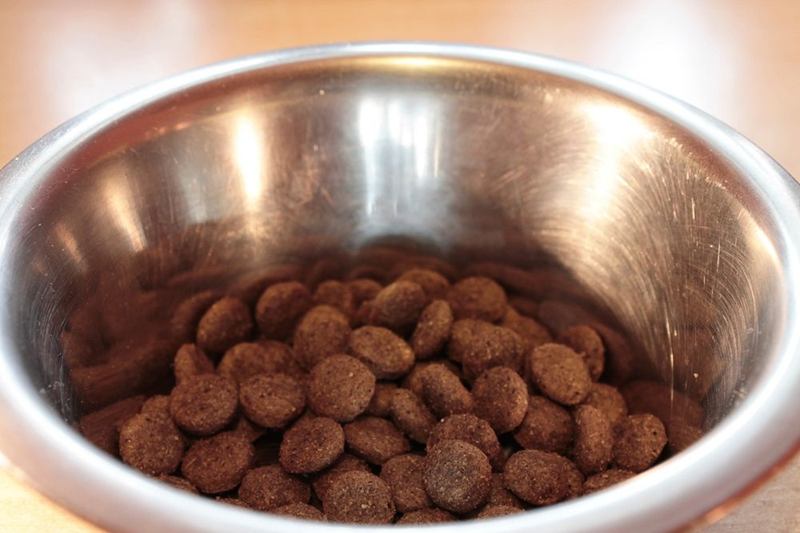
| Dry food | Empty and wipe daily | At least once a week with washing-up liquid |
| Raw food (BARF) | After every meal | Very hot rinse or dishwasher |
| Water fountain | Change the water regularly | Pump and filter as the manufacturer advises |
Wet food left in the bowl after a meal is best thrown away rather than left out for hours – especially on warm days.
2. Pet bowl cleaning step by step
- Put leftovers in the bin, not down the sink.
- Wash the bowl with hot water and a squirt of washing-up liquid.
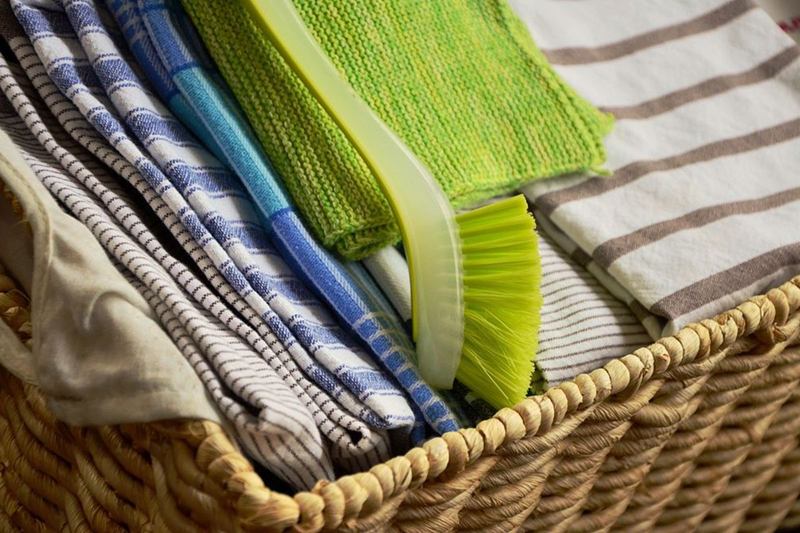
- Scrub the bottom, inner wall and rim with a brush – especially the edge where the bottom meets the wall, where biofilm clings.
- Rinse thoroughly with clean water so no detergent residue is left to put the animal off.
- Let it air-dry or dry it with a clean tea towel.
With the water bowl, topping it up every day isn't enough. Empty it completely, give the bottom a quick scrub with the brush and refill it with fresh water.
3. Choose the material: stainless steel, ceramic or plastic?
The material makes a big difference to how easy cleaning is:
- Stainless steel: robust, unbreakable and easy to clean. The smooth surface gives germs little to cling to, and most models are dishwasher-safe.
- Glazed ceramic: heavy, doesn't slide around and is easy to keep clean as long as the glaze is intact. Hairline cracks and chips are hard to clean – replace the bowl when that happens.
- Plastic: light and cheap, but it scratches over time and dirt lodges in the scratches. Replace scratched plastic bowls.
A rubber ring on the base is practical, but water and dirt collect underneath. Take it off for thorough cleaning if you can.
4. Using the dishwasher and water fountains properly
Dishwasher-safe stainless steel or ceramic bowls can go in the dishwasher without any problem. A higher-temperature programme is particularly good at dissolving grease and food residue. Whether you wash them with the family's dishes is up to you; if you feed raw food, pre-rinse the bowls separately first. To keep the machine itself clean, see our guide on how to clean a dishwasher.
Water fountains are popular with cats, but need looking after. Change the water regularly, take the fountain apart as the manufacturer describes and clean the basin, pump and tubes with a small brush. Replace the filter at the recommended interval. If the fountain scales up badly, a citric acid solution helps – rinse very thoroughly afterwards.
5. Raw food, storage and the feeding spot
Raw feeding (BARF): raw meat can contain pathogens. The FSVO names cat faeces and meat containing cysts among the transmission routes of the parasite Toxoplasma gondii. Prepare raw pet food the way you would raw meat for the family: a dedicated board and knife, then clean everything with hot water and wash your hands with soap.
Storing food: dry food stays dry in its original packaging or in a tightly closing container, which also protects it from pantry pests. Don't pour new food on top of old leftovers – empty and clean the container now and then. Cover opened tins of wet food and keep them in the fridge; how long they keep is stated on the packaging.
Feeding spot: a wipeable mat under the bowls catches splashes. Wipe it daily and mop the floor underneath regularly.
The most common mistakes
- Only topping up the water: the biofilm stays on the bottom; fresh water alone doesn't remove it.
- Leaving wet food out: on warm days it spoils quickly and attracts flies.
- Harsh or scented cleaners: residues can put the animal off eating. Hot water and washing-up liquid are enough.
- Using the family's dish sponge: food residue and germs then spread through the whole kitchen.
Frequently asked questions
How often should pet bowls be cleaned?
Bowls with wet or raw food after every meal; dry-food bowls should be wiped at least daily and washed thoroughly once a week. The water bowl is emptied, scrubbed and refilled with fresh water every day.
What is the slimy layer in the water bowl?
It is a biofilm of bacteria feeding on saliva and food residue. It comes off with hot water, washing-up liquid and a brush. Scrubbing the bowl daily stops it from taking hold.
Can a dog bowl go in the dishwasher?
Yes, as long as it is dishwasher-safe – which applies to most stainless steel and ceramic bowls. A higher-temperature programme makes sense. Rinse bowls with raw-food residue by hand first.
Which material is the most hygienic for pet bowls?
Stainless steel and intact glazed ceramic are the easiest to keep clean. Plastic scratches and dirt lodges in the scratches, so it needs replacing more often.
Thanks for your feedback! Feel free to share the guide.
Thanks! What was missing? Drop us a line – we will improve the guide. WhatsApp